

Motmot

ズグロガモ 対 コバシオタテガモ

Heteronetta atricapilla 対 Oxyura vittata

ズグロガモとコバシオタテガモのクイズ
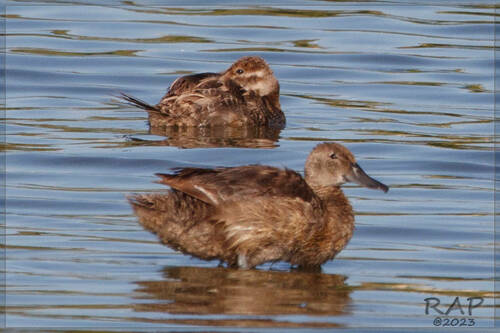
ズグロガモ (Heteronetta atricapilla) ズグロガモ
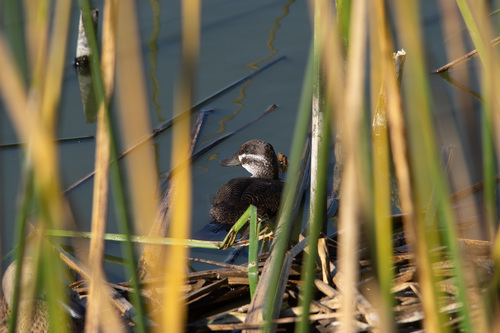
コバシオタテガモ (Oxyura vittata) コバシオタテガモ

メディア

読み込み中…

要点

ズグロガモとコバシオタテガモの最も信頼できるフィールドマークは、硬くてトゲトゲした尾の有無と、くちばしの形と色です。ズグロガモはコバシオタテガモに典型的な硬い尾と膨らんだ青いくちばしを欠いており、代わりに長い体と短い翼を持つより典型的なダイビングダックの形を示します。成鳥のオスのズグロガモは光沢のある黒い頭を持ち、コバシオタテガモのオスは平らな頭を示し、繁殖期には膨らんだ青いくちばしを持ちます。未熟なズグロガモは淡い目のストライプとより赤褐色の上面によって区別でき、これらの特徴はコバシオタテガモには見られません。両種は広範囲にわたって生息地が重なっているため、構造と羽毛に注意を払うことが重要です。

識別のコツ

  1. Tail structure: コバシオタテガモは常に硬くてトゲトゲした尾を示し、しばしば直立している—これは典型的な硬尾のダックの特徴です。ズグロガモはこれを欠き、より典型的な丸いダックの尾を持っています。これは、年齢や季節に関係なく最も迅速なフィールドチェックです。
  2. Bill shape and color: コバシオタテガモのオス(特に繁殖期には)は膨らんだ青いくちばしを持っています。ズグロガモは黒い上顎とオレンジ色の下顎を持ち、繁殖期のオスでは上顎の基部にバラ色の斑点があります。ズグロガモのくちばしは決して膨らんだり青くなったりしません。
  3. Head shape: コバシオタテガモは明らかに平らな頭のプロファイルを持ち、ズグロガモはより丸い頭と長い体を持ち、水中でも飛行中でも異なる印象を与えます。
  4. Adult male head color: ズグロガモのオスは光沢のある黒い頭と上部の首を持ち、白いあごを持っています。コバシオタテガモのオスはこの組み合わせを示しません。
  5. Female/immature head pattern: メスと未熟なズグロガモは暗い茶色(黒ではない)の頭と白っぽい喉を持ち、未熟な個体は淡い目のストライプとより赤褐色の上面を持ちます。コバシオタテガモのメスは淡い目のストライプやこの赤褐色/黄色がかった色合いを示しません。
  6. Upperwing pattern: ズグロガモ(すべての年齢)は折りたたまれた翼に2本の白いバーを示し、これは休息中に見えることがあります。コバシオタテガモの翼のパターンはノートに記載されていませんが、目立つ白いバーについては言及されていません。
  7. Body shape: ズグロガモは長い体に短い翼を持ち、コバシオタテガモはよりコンパクトで重い体を持っています—特に直接比較すると明らかです。
  8. Brood parasitism: コウノトリやポチャードの巣から出てきたひながすぐに独立するのを観察した場合、それはおそらくズグロガモです。コバシオタテガモはこの行動を示しません。
  9. Display behavior: コバシオタテガモのオスはディスプレイ中にポッピングや機械的な音を出すことがありますが、ズグロガモはそのようなディスプレイは記載されていません。
  10. Habitat overlap: 両種は同じ湿地に共存することがあるため、場所だけに頼らないでください。
  11. Size: コバシオタテガモは一般的に重く、より大きく見えることがありますが、長さには重なりがあります。まず構造と羽毛を使用してください。
  12. Seasonal marks: ズグロガモのくちばしの基部にあるバラ色の斑点は繁殖期のオスで最も目立ちます。繁殖期以外では、これはあまり目立たないかもしれません。
  13. Tail in flight: 飛行中、コバシオタテガモの硬い尾はトゲトゲして目立つことがありますが、ズグロガモの尾はより従来のもので目立たなくなります。
  14. Juvenile separation: 未熟なズグロガモは淡い目のストライプとより赤褐色/黄色がかったトーンを持ち、これらはコバシオタテガモの幼鳥には見られません。
  15. Bill color in females: メスのズグロガモは黒とオレンジのくちばしを示し、コバシオタテガモのように青く膨らんだりすることはありません。

大きさ

コバシオタテガモは一般的に重く、平均的な成鳥の質量は約640 g [wikidata]で、ズグロガモのオスは平均約510 g、メスは565 g [wikipedia]です。両者は長さが似ています(ズグロガモは約35 cm、コバシオタテガモは36–46 cm)が、コバシオタテガモは全体的により大きく見えます。フィールドでは、サイズの違いは微妙かもしれませんが、コバシオタテガモはしばしばよりコンパクトで重い体に見え、特により細長いズグロガモと比較すると顕著です。

羽色

どちらの種についても特徴的な幼鳥や初冬の上翼パターンは記載されていないため、区別は全体的な羽毛と構造に依存します。成鳥のオスのズグロガモは光沢のある黒い頭と上部の首を持ち、白いあご、深い茶色がかった黒の上面にシナモンや赤褐色の斑点があり、折りたたまれた翼に2本の白いバーがあります。腹部は白っぽく、茶色の斑点があります。メスは似ていますが、暗い茶色(光沢のある黒ではない)の頭と白っぽい喉を持っています。未熟な個体はメスに似ていますが、上面により赤褐色があり、腹部はより黄色がかり、淡い目のストライプを持ちます。繁殖期のコバシオタテガモのオスは膨らんだ青いくちばしと平らな頭を持っていますが、コバシオタテガモの羽毛の詳細は提供されたノートには記載されていません。重要なのは、コバシオタテガモが典型的な硬尾のダックであり、トゲトゲした尾と膨らんだくちばしを持っているのに対し、ズグロガモはこれらの特徴を欠き、より「普通の」ダイビングダックの外観を持っていることです。

行動

ズグロガモはダックの中で独特な義務的な抱卵寄生者であり、自分の巣を作らず、他の水鳥の巣に卵を産みます。コバシオタテガモはこの行動を示さず、従来の方法で繁殖します。ディスプレイに関しては、コバシオタテガモのオスはポッピングや機械的な音を出しますが、ズグロガモにはそのようなディスプレイは記載されていません。両種はダイビングダックですが、コバシオタテガモはしばしば直立している硬い尾と、よりコンパクトで重い体の印象が強いです。

生息環境

両種は南アメリカのアルゼンチン、ブラジル、チリ、パラグアイ、ウルグアイを含む類似の湿地生息地に見られます。両者は豊富な植生を持つ淡水湖や湿地を好みます。生息地は両者の間で信頼できる診断基準ではなく、その範囲や好みが広範囲に重なっています。

声

コバシオタテガモのオスはポッピングや機械的な音を出します。提供されたノートにはズグロガモの音声やディスプレイ音についての記載はないため、現在の情報に基づいてフィールドでの声は信頼できる区別要因ではありません。

より良い説明を送る

比較と同じ項目を使ってください。文章はすぐに公開されます。

The most reliable field mark between Black-headed Duck and Lake Duck is the presence or absence of a stiff, spiky tail and the shape and color of the bill. Black-headed Duck lacks the stiff tail and swollen, blue bill typical of Lake Duck, and instead shows a more typical diving duck shape with a long body and short wings. Adult male Black-headed Ducks have a glossy black head, while Lake Duck males show a flatter head and, in breeding season, a swollen blue bill. Immature Black-headed Ducks can be separated by their pale eye stripe and more rufous upperparts, features not shown by Lake Duck. Both species overlap widely in range and habitat, so careful attention to structure and plumage is crucial.

  1. Tail structure: Lake Duck always shows a stiff, spiky tail, often held upright—this is a classic stiff-tailed duck feature. Black-headed Duck lacks this, with a more typical, rounded duck tail. This is the quickest field check at any age or season.
  2. Bill shape and color: Lake Duck males (especially in breeding season) have a swollen, blue bill. Black-headed Duck has a black maxilla and orange mandible, with a rosy patch at the base of the maxilla in breeding males. The bill is never swollen or blue in Black-headed Duck.
  3. Head shape: Lake Duck has a noticeably flatter head profile, while Black-headed Duck has a more rounded head and longer body, giving a different jizz both on water and in flight.
  4. Adult male head color: Black-headed Duck males have a glossy black head and upper neck, with a white chin. Lake Duck males do not show this combination.
  5. Female/immature head pattern: Female and immature Black-headed Ducks have a dark brown (not black) head and a whitish throat; immatures add a pale eye stripe and more rufous on the upperparts. Lake Duck females do not show a pale eye stripe or this rufous/yellowish tinge.
  6. Upperwing pattern: Black-headed Duck (all ages) shows two white bars on the folded wing, which may be visible at rest. Lake Duck's wing pattern is not described in the notes, but it does not mention prominent white bars.
  7. Body shape: Black-headed Duck is long-bodied with short wings, while Lake Duck is more compact and heavy-bodied—especially obvious in direct comparison.
  8. Brood parasitism: If you observe a duckling leaving a coot or pochard nest and immediately becoming independent, it is likely a Black-headed Duck; Lake Duck does not show this behavior.
  9. Display behavior: Lake Duck males may be seen making popping or mechanical noises during display; Black-headed Duck is not noted for such displays.
  10. Habitat overlap: Both species can occur together in the same wetlands, so do not rely on location alone.
  11. Size: Lake Duck is generally heavier and can appear bulkier, but there is overlap in length; use structure and plumage first.
  12. Seasonal marks: The rosy patch at the base of the Black-headed Duck's bill is most visible in breeding males; outside breeding, this may be less obvious.
  13. Tail in flight: In flight, Lake Duck's stiff tail may appear spiky and prominent, while Black-headed Duck's tail is more conventional and less noticeable.
  14. Juvenile separation: Immature Black-headed Ducks have a pale eye stripe and more rufous/yellowish tones below, which are not shown by Lake Duck juveniles.
  15. Bill color in females: Female Black-headed Duck shows a black and orange bill, never blue or swollen as in Lake Duck.

Lake Duck is generally heavier, with an average adult mass around 640 g [wikidata], while Black-headed Duck males average about 510 g and females 565 g [wikipedia]. Both are similar in length (Black-headed Duck about 35 cm, Lake Duck 36–46 cm), but Lake Duck is bulkier overall. In the field, size difference may be subtle, but Lake Duck often appears more compact and heavy-bodied, especially when compared to the more elongated Black-headed Duck.

No distinctive juvenile or first-winter upperwing pattern is described for either species, so separation relies on overall plumage and structure. Adult male Black-headed Duck has a glossy black head and upper neck with a white chin, deep brownish-black upperparts with cinnamon or rufous speckling, and two white bars on the folded wing. The underparts are whitish with brown mottling. Females are similar but with a dark brown (not glossy black) head and a whitish throat. Immatures resemble females but show more rufous on the upperparts, yellower underparts, and a pale eye stripe. Lake Duck males (in breeding) have a swollen blue bill and a flatter head, but the plumage details for Lake Duck are not described in the provided notes. The key is that Lake Duck is a classic stiff-tailed duck, with a spiky tail and a swollen bill, while Black-headed Duck lacks both these features and has a more 'normal' diving duck look.

Black-headed Duck is unique among ducks as an obligate brood parasite, never building its own nest and laying eggs in the nests of other waterbirds. Lake Duck does not show this behavior and breeds conventionally. In terms of display, Lake Duck males produce popping and mechanical rustling noises, but no such display is noted for Black-headed Duck. Both species are diving ducks, but Lake Duck is noted for its stiff tail, which is often held erect, and for its more compact, heavy-bodied jizz.

Both species are found in similar wetland habitats across southern South America, including Argentina, Brazil, Chile, Paraguay, and Uruguay. Both prefer freshwater lakes and marshes with abundant vegetation. Habitat is not reliably diagnostic between the two, as their ranges and preferences overlap extensively.

Lake Duck males produce popping and mechanical rustling display noises. No vocalization or display sounds are described for Black-headed Duck in the provided notes, so voice is not a reliable separator in the field based on current information.

変更を破棄しますか?

保存していない編集があります。今離れると失われます。

ズグロガモ · コバシオタテガモ · 苦手な鳥