

Black-headed Duck vs Lake Duck
Heteronetta atricapilla contro Oxyura vittata
Fai un quiz con Black-headed Duck e Lake Duck
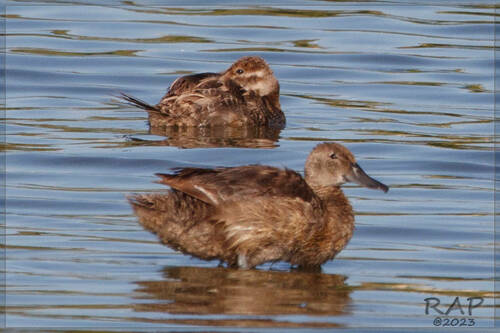 Black-headed Duck
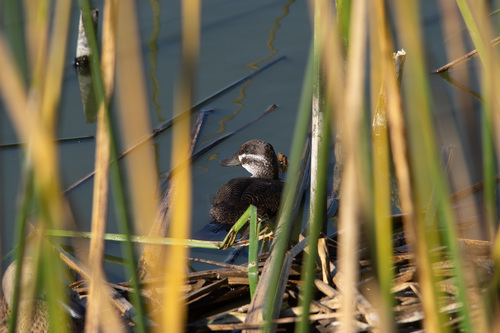 Lake Duck
In breve
Il segno di campo più affidabile tra Black-headed Duck e Lake Duck è la presenza o assenza di una coda rigida e spinosa e la forma e il colore del becco. Black-headed Duck non ha la coda rigida e il becco gonfio e blu tipici di Lake Duck, e mostra invece una forma di anatra da immersione più tipica con un corpo lungo e ali corte. I maschi adulti di Black-headed Duck hanno una testa nera lucida, mentre i maschi di Lake Duck mostrano una testa più piatta e, durante la stagione di riproduzione, un becco gonfio e blu. Le Black-headed Ducks immature possono essere separate dalla loro striscia oculare chiara e dalle parti superiori più rugginose, caratteristiche non mostrate da Lake Duck. Entrambe le specie si sovrappongono ampiamente in termini di distribuzione e habitat, quindi prestare attenzione alla struttura e al piumaggio è cruciale.
Consigli di identificazione
- Tail structure: Lake Duck mostra sempre una coda rigida e spinosa, spesso tenuta eretta—questa è una caratteristica classica delle anatre a coda rigida. Black-headed Duck non ha questo, con una coda di anatra più tipica e arrotondata. Questo è il controllo di campo più veloce a qualsiasi età o stagione.
- Bill shape and color: I maschi di Lake Duck (soprattutto durante la stagione di riproduzione) hanno un becco gonfio e blu. Black-headed Duck ha una mascella nera e una mandibola arancione, con una macchia rosa alla base della mascella nei maschi in riproduzione. Il becco non è mai gonfio o blu in Black-headed Duck.
- Head shape: Lake Duck ha un profilo della testa visibilmente più piatto, mentre Black-headed Duck ha una testa più arrotondata e un corpo più lungo, dando un aspetto diverso sia in acqua che in volo.
- Adult male head color: I maschi di Black-headed Duck hanno una testa nera lucida e un collo superiore, con un mento bianco. I maschi di Lake Duck non mostrano questa combinazione.
- Female/immature head pattern: Le femmine e le immature di Black-headed Duck hanno una testa marrone scuro (non nera) e una gola bianca; le immature aggiungono una striscia oculare chiara e più rugginose sulle parti superiori. Le femmine di Lake Duck non mostrano una striscia oculare chiara o questa sfumatura rugginosa/giallastra.
- Upperwing pattern: Black-headed Duck (tutte le età) mostra due barre bianche sull'ala piegata, che possono essere visibili a riposo. Il modello dell'ala di Lake Duck non è descritto nelle note, ma non menziona barre bianche prominenti.
- Body shape: Black-headed Duck ha un corpo lungo con ali corte, mentre Lake Duck è più compatto e robusto—soprattutto evidente in un confronto diretto.
- Brood parasitism: Se osservi un'anatroccolo lasciare un nido di folaga o di moriglione e diventare immediatamente indipendente, è probabile che sia un Black-headed Duck; Lake Duck non mostra questo comportamento.
- Display behavior: I maschi di Lake Duck possono essere visti emettere suoni scoppiettanti o meccanici durante il corteggiamento; Black-headed Duck non è noto per tali esibizioni.
- Habitat overlap: Entrambe le specie possono verificarsi insieme negli stessi ambienti umidi, quindi non fare affidamento solo sulla posizione.
- Size: Lake Duck è generalmente più pesante e può apparire più robusto, ma c'è sovrapposizione nella lunghezza; usa prima la struttura e il piumaggio.
- Seasonal marks: La macchia rosa alla base del becco di Black-headed Duck è più visibile nei maschi in riproduzione; al di fuori della riproduzione, questo può essere meno ovvio.
- Tail in flight: In volo, la coda rigida di Lake Duck può apparire spinosa e prominente, mentre la coda di Black-headed Duck è più convenzionale e meno evidente.
- Juvenile separation: Le immature di Black-headed Duck hanno una striscia oculare chiara e toni più rugginosi/giallastri sotto, che non sono mostrati dai giovani di Lake Duck.
- Bill color in females: La femmina di Black-headed Duck mostra un becco nero e arancione, mai blu o gonfio come in Lake Duck.
Taglia
Lake Duck è generalmente più pesante, con una massa adulta media di circa 640 g [wikidata], mentre i maschi di Black-headed Duck pesano in media circa 510 g e le femmine 565 g [wikipedia]. Entrambi sono simili in lunghezza (Black-headed Duck circa 35 cm, Lake Duck 36–46 cm), ma Lake Duck è complessivamente più robusto. Sul campo, la differenza di dimensione può essere sottile, ma Lake Duck appare spesso più compatto e robusto, soprattutto se confrontato con il più allungato Black-headed Duck.
Piumaggio
Nessun modello distintivo di ala superiore per i giovani o per il primo inverno è descritto per entrambe le specie, quindi la separazione si basa sul piumaggio e sulla struttura complessivi. Il maschio adulto di Black-headed Duck ha una testa nera lucida e un collo superiore con un mento bianco, parti superiori marrone scuro con macchie di cannella o rugginose, e due barre bianche sull'ala piegata. Le parti inferiori sono bianche con macchie marroni. Le femmine sono simili ma con una testa marrone scuro (non nera lucida) e una gola bianca. Le immature assomigliano alle femmine ma mostrano più rugginoso sulle parti superiori, parti inferiori più giallastre e una striscia oculare chiara. I maschi di Lake Duck (in riproduzione) hanno un becco gonfio e blu e una testa più piatta, ma i dettagli del piumaggio per Lake Duck non sono descritti nelle note fornite. La chiave è che Lake Duck è un'anatra a coda rigida classica, con una coda spinosa e un becco gonfio, mentre Black-headed Duck manca di entrambe queste caratteristiche e ha un aspetto di anatra da immersione più 'normale'.
Comportamento
Black-headed Duck è unico tra le anatre come parassita obbligato della covata, non costruendo mai il proprio nido e deporre uova nei nidi di altri uccelli acquatici. Lake Duck non mostra questo comportamento e si riproduce in modo convenzionale. In termini di esibizione, i maschi di Lake Duck producono suoni scoppiettanti e fruscii meccanici, ma non è nota alcuna esibizione simile per Black-headed Duck. Entrambe le specie sono anatre da immersione, ma Lake Duck è noto per la sua coda rigida, che è spesso tenuta eretta, e per il suo aspetto più compatto e robusto.
Habitat
Entrambe le specie si trovano in habitat umidi simili in tutto il sud America, inclusi Argentina, Brasile, Cile, Paraguay e Uruguay. Entrambi preferiscono laghi d'acqua dolce e paludi con abbondante vegetazione. L'habitat non è affidabilmente diagnostico tra i due, poiché le loro aree e preferenze si sovrappongono ampiamente.
Voce
I maschi di Lake Duck producono suoni scoppiettanti e fruscii meccanici durante le esibizioni. Nessuna vocalizzazione o suoni di esibizione sono descritti per Black-headed Duck nelle note fornite, quindi la voce non è un separatore affidabile sul campo basato sulle informazioni attuali.