

Motmot

Black-browed Reed Warbler vs Oriental Reed Warbler

Acrocephalus bistrigiceps versus Acrocephalus orientalis

Play a quiz with Black-browed Reed Warbler and Oriental Reed Warbler
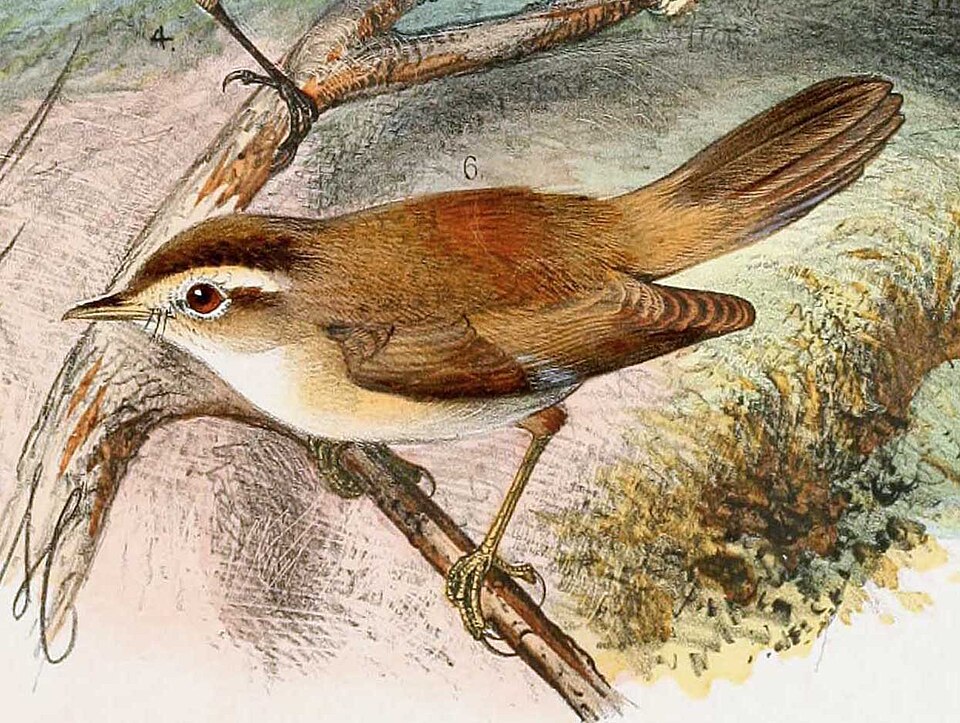
Black-browed Reed Warbler (Acrocephalus bistrigiceps) Black-browed Reed Warbler
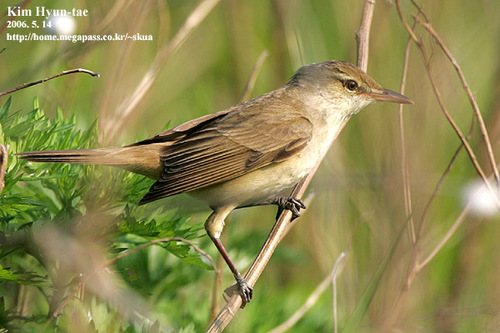
Oriental Reed Warbler (Acrocephalus orientalis) Oriental Reed Warbler

Media

Loading…

In short

The most reliable field mark to separate Black-browed Reed Warbler from Oriental Reed Warbler is size and structure: Oriental is much larger and bulkier, with a notably longer, heavier bill and a pale tip to the tail that Black-browed lacks. In all plumages, Oriental Reed Warbler has a more robust appearance and longer wings, while Black-browed is smaller, slimmer, and tends to stay lower in dense reeds. Both show a dark eyestripe and pale supercilium, but Oriental’s bill and tail shape are distinctive in direct comparison. If you see a large, pale-tipped, square-ended tail and a heavy bill, you are looking at an Oriental Reed Warbler.

Identification tips

  1. Size and Structure: Oriental Reed Warbler is much larger and bulkier than Black-browed, with a longer, heavier bill and longer wings. This is often the first clue in the field, especially when seen alongside other reed warblers.
  2. Tail Shape and Markings: Oriental Reed Warbler has a square-ended tail with prominent whitish tips to the tail feathers, visible in both perched and flying birds. Black-browed lacks this pale tail tip and has a plainer tail.
  3. Bill Shape and Color: Oriental’s bill is noticeably longer, thicker, and heavier, brownish above and pink below with a bright orange gape. Black-browed’s bill is shorter and finer, not as robust or brightly colored.
  4. Facial Pattern: Both have a dark eyestripe and pale supercilium, but Oriental’s is broader and the face appears heavier due to the large bill. Black-browed’s face is finer and more delicate.
  5. Underparts: Oriental Reed Warbler shows whitish underparts with browner flanks and undertail-coverts, and faint greyish streaks on the throat and breast. Black-browed is plainer below, lacking the streaking and strong contrast.
  6. Upperparts: Oriental is brown above with a paler rump; Black-browed is similar but overall less contrasting and more uniform.
  7. Behavior: Black-browed forages low and hidden in dense reeds, rarely perching up. Oriental is more likely to be seen singing from exposed perches at the tops of reeds or bushes.
  8. Vocalizations: If you hear a loud, harsh 'chack' or a song with guttural, croaking notes from a prominent perch, it is Oriental Reed Warbler. Black-browed’s voice is not described here.
  9. Habitat Preference: Black-browed prefers undisturbed, dense reedbeds, while Oriental can be found in a wider range of reedbed habitats, including more open or disturbed areas.
  10. Jizz in Flight: Oriental appears longer-winged and more powerful in flight, while Black-browed is smaller, more agile, and stays closer to cover.
  11. Comparison with Other Reed Warblers: If you are familiar with Eurasian Reed Warbler, Black-browed is similar in size and structure, while Oriental is much larger and more robust.
  12. Season and Age: The pale tail tip of Oriental is present in all ages and seasons, making it a reliable mark year-round. No age-specific marks are described for Black-browed.
  13. Pitfalls: Do not rely solely on the eyestripe and supercilium, as both species show these features. Focus on size, bill, and tail tip for confident separation.
  14. Sex: No sexual dimorphism is described for either species, so all marks apply to both sexes.
  15. When in Doubt: If you see a large reed warbler with a pale-tipped tail and heavy bill singing from the top of a reed, it is Oriental. If the bird is small, slim, and skulking low in dense reeds with no pale tail tip, it is Black-browed.

Size

Oriental Reed Warbler is a large warbler, measuring 18–20 cm in length with a wingspan of 23–26 cm [wikipedia]. Black-browed Reed Warbler is distinctly smaller and slimmer, with a shorter, finer bill and overall more delicate build. In the field, Oriental’s greater bulk, longer wings, and heavier, longer bill are usually obvious when the two are seen side by side or with experience. Black-browed Reed Warbler is closer in size to Eurasian Reed Warbler, noticeably dwarfed by Oriental.

Plumage

Juvenile and immature plumages are not described in detail for Black-browed Reed Warbler, but Oriental Reed Warbler of all ages shows brown upperparts with a paler rump and whitish tips to the tail feathers, which is a key field mark. Both species have a dark eyestripe and pale supercilium, but Oriental’s is broader and the face appears heavier due to the large bill. Underparts in Oriental are whitish, with browner flanks and undertail-coverts, and faint greyish streaks on the throat and breast. The pale tip to the tail is a reliable mark for Oriental of all ages and is absent in Black-browed. Black-browed Reed Warbler is overall plainer and less contrasting, with no mention of tail tipping or streaked underparts.

Behaviour

Black-browed Reed Warbler prefers to forage close to the ground, staying low and hidden within dense, undisturbed reed beds. Oriental Reed Warbler is more likely to sing from prominent perches such as the tops of reed stems or bushes, making it more visible and upright. This difference in foraging and singing behavior can help in field situations, especially when birds are flushed or singing.

Habitat

Both species are reedbed specialists, but Black-browed Reed Warbler is particularly associated with undisturbed, native marsh vegetation and is sensitive to habitat loss. Oriental Reed Warbler also inhabits reedbeds but may be found in a wider range of wetland habitats, including more open or disturbed areas. In overlapping areas, Black-browed is more likely to be found in dense, less disturbed reeds.

Voice

Oriental Reed Warbler has a song that is a mixture of warbling phrases and guttural, croaking notes, often delivered from a conspicuous perch. Its call is a loud, harsh 'chack.' Vocalizations for Black-browed Reed Warbler are not described in the provided notes, so voice is only diagnostic if Oriental’s distinctive song or call is heard.

Submit a better description

Use the same sections as the comparison. Your text is published immediately.

The most reliable field mark to separate Black-browed Reed Warbler from Oriental Reed Warbler is size and structure: Oriental is much larger and bulkier, with a notably longer, heavier bill and a pale tip to the tail that Black-browed lacks. In all plumages, Oriental Reed Warbler has a more robust appearance and longer wings, while Black-browed is smaller, slimmer, and tends to stay lower in dense reeds. Both show a dark eyestripe and pale supercilium, but Oriental’s bill and tail shape are distinctive in direct comparison. If you see a large, pale-tipped, square-ended tail and a heavy bill, you are looking at an Oriental Reed Warbler.

  1. Size and Structure: Oriental Reed Warbler is much larger and bulkier than Black-browed, with a longer, heavier bill and longer wings. This is often the first clue in the field, especially when seen alongside other reed warblers.
  2. Tail Shape and Markings: Oriental Reed Warbler has a square-ended tail with prominent whitish tips to the tail feathers, visible in both perched and flying birds. Black-browed lacks this pale tail tip and has a plainer tail.
  3. Bill Shape and Color: Oriental’s bill is noticeably longer, thicker, and heavier, brownish above and pink below with a bright orange gape. Black-browed’s bill is shorter and finer, not as robust or brightly colored.
  4. Facial Pattern: Both have a dark eyestripe and pale supercilium, but Oriental’s is broader and the face appears heavier due to the large bill. Black-browed’s face is finer and more delicate.
  5. Underparts: Oriental Reed Warbler shows whitish underparts with browner flanks and undertail-coverts, and faint greyish streaks on the throat and breast. Black-browed is plainer below, lacking the streaking and strong contrast.
  6. Upperparts: Oriental is brown above with a paler rump; Black-browed is similar but overall less contrasting and more uniform.
  7. Behavior: Black-browed forages low and hidden in dense reeds, rarely perching up. Oriental is more likely to be seen singing from exposed perches at the tops of reeds or bushes.
  8. Vocalizations: If you hear a loud, harsh 'chack' or a song with guttural, croaking notes from a prominent perch, it is Oriental Reed Warbler. Black-browed’s voice is not described here.
  9. Habitat Preference: Black-browed prefers undisturbed, dense reedbeds, while Oriental can be found in a wider range of reedbed habitats, including more open or disturbed areas.
  10. Jizz in Flight: Oriental appears longer-winged and more powerful in flight, while Black-browed is smaller, more agile, and stays closer to cover.
  11. Comparison with Other Reed Warblers: If you are familiar with Eurasian Reed Warbler, Black-browed is similar in size and structure, while Oriental is much larger and more robust.
  12. Season and Age: The pale tail tip of Oriental is present in all ages and seasons, making it a reliable mark year-round. No age-specific marks are described for Black-browed.
  13. Pitfalls: Do not rely solely on the eyestripe and supercilium, as both species show these features. Focus on size, bill, and tail tip for confident separation.
  14. Sex: No sexual dimorphism is described for either species, so all marks apply to both sexes.
  15. When in Doubt: If you see a large reed warbler with a pale-tipped tail and heavy bill singing from the top of a reed, it is Oriental. If the bird is small, slim, and skulking low in dense reeds with no pale tail tip, it is Black-browed.

Oriental Reed Warbler is a large warbler, measuring 18–20 cm in length with a wingspan of 23–26 cm [wikipedia]. Black-browed Reed Warbler is distinctly smaller and slimmer, with a shorter, finer bill and overall more delicate build. In the field, Oriental’s greater bulk, longer wings, and heavier, longer bill are usually obvious when the two are seen side by side or with experience. Black-browed Reed Warbler is closer in size to Eurasian Reed Warbler, noticeably dwarfed by Oriental.

Juvenile and immature plumages are not described in detail for Black-browed Reed Warbler, but Oriental Reed Warbler of all ages shows brown upperparts with a paler rump and whitish tips to the tail feathers, which is a key field mark. Both species have a dark eyestripe and pale supercilium, but Oriental’s is broader and the face appears heavier due to the large bill. Underparts in Oriental are whitish, with browner flanks and undertail-coverts, and faint greyish streaks on the throat and breast. The pale tip to the tail is a reliable mark for Oriental of all ages and is absent in Black-browed. Black-browed Reed Warbler is overall plainer and less contrasting, with no mention of tail tipping or streaked underparts.

Black-browed Reed Warbler prefers to forage close to the ground, staying low and hidden within dense, undisturbed reed beds. Oriental Reed Warbler is more likely to sing from prominent perches such as the tops of reed stems or bushes, making it more visible and upright. This difference in foraging and singing behavior can help in field situations, especially when birds are flushed or singing.

Both species are reedbed specialists, but Black-browed Reed Warbler is particularly associated with undisturbed, native marsh vegetation and is sensitive to habitat loss. Oriental Reed Warbler also inhabits reedbeds but may be found in a wider range of wetland habitats, including more open or disturbed areas. In overlapping areas, Black-browed is more likely to be found in dense, less disturbed reeds.

Oriental Reed Warbler has a song that is a mixture of warbling phrases and guttural, croaking notes, often delivered from a conspicuous perch. Its call is a loud, harsh 'chack.' Vocalizations for Black-browed Reed Warbler are not described in the provided notes, so voice is only diagnostic if Oriental’s distinctive song or call is heard.

Discard your changes?

You have unsaved edits. If you leave now, those changes will be lost.

Black-browed Reed Warbler · Oriental Reed Warbler · My Tricky Birds