

Motmot

コヨシキリ 対 オオヨシキリ

Acrocephalus bistrigiceps 対 Acrocephalus orientalis

コヨシキリとオオヨシキリのクイズ
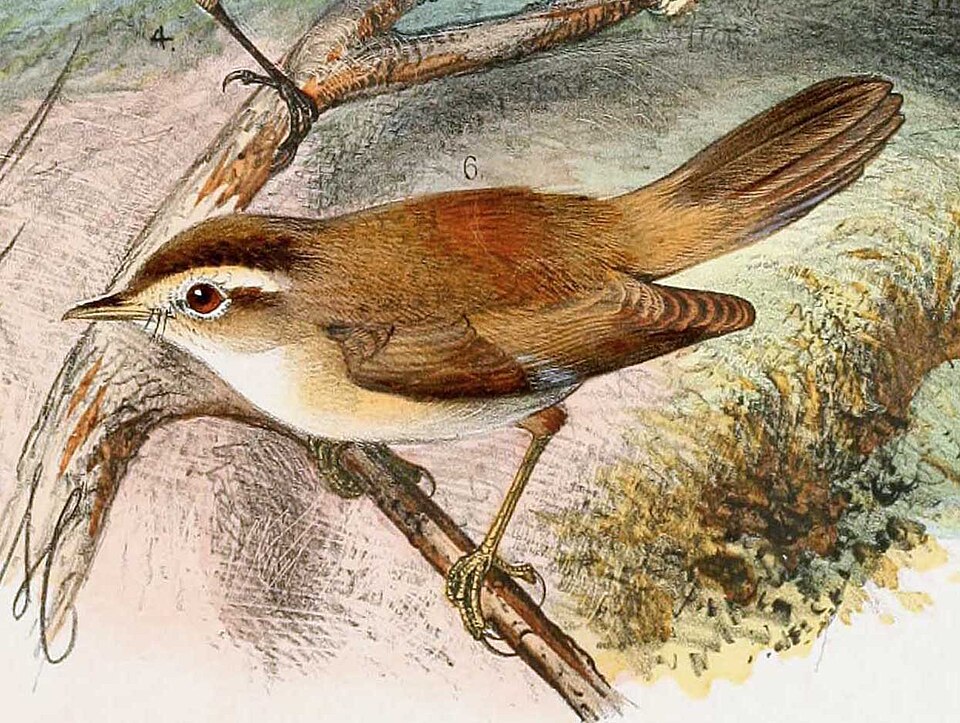
コヨシキリ (Acrocephalus bistrigiceps) コヨシキリ
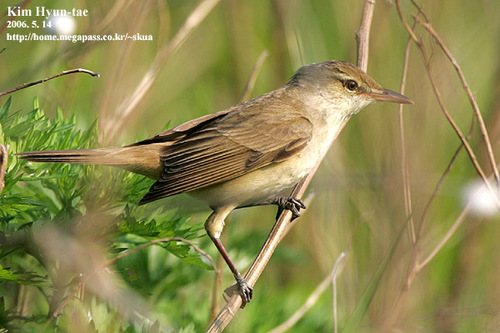
オオヨシキリ (Acrocephalus orientalis) オオヨシキリ

メディア

読み込み中…

要点

コヨシキリとオオヨシキリを区別する最も信頼できるフィールドマークは、サイズと構造です:オオヨシキリははるかに大きく、ずんぐりしており、特に長くて重いくちばしと、コヨシキリにはない尾の淡い先端を持っています。すべての羽色において、オオヨシキリはより頑丈な外観と長い翼を持っているのに対し、コヨシキリは小さく、スリムで、密なヨシの中で低い位置に留まる傾向があります。両者は暗いアイストライプと淡いスーペリシリウムを示しますが、オオヨシキリのくちばしと尾の形は直接比較すると独特です。大きく、淡い先端の四角い尾と重いくちばしを見たら、それはオオヨシキリです。

識別のコツ

  1. Size and Structure: オオヨシキリはコヨシキリよりもはるかに大きく、ずんぐりしており、長くて重いくちばしと長い翼を持っています。これはフィールドでの最初の手がかりとなることが多く、特に他のヨシキリと一緒に見たときに顕著です。
  2. Tail Shape and Markings: オオヨシキリは四角い尾を持ち、尾羽の先端に目立つ白っぽい部分があります。これは止まっている鳥や飛んでいる鳥の両方で確認できます。コヨシキリはこの淡い尾の先端がなく、より地味な尾を持っています。
  3. Bill Shape and Color: オオヨシキリのくちばしは明らかに長く、太く、重く、上面は茶色、下面はピンクで、明るいオレンジ色の口を持っています。コヨシキリのくちばしは短く、細く、頑丈さや明るい色合いはありません。
  4. Facial Pattern: 両者は暗いアイストライプと淡いスーペリシリウムを持っていますが、オオヨシキリの方が幅広く、くちばしが大きいため顔が重く見えます。コヨシキリの顔はより細く、繊細です。
  5. Underparts: オオヨシキリは白っぽい腹部を示し、横腹と尾羽の下の覆羽は茶色で、喉と胸には淡い灰色の筋があります。コヨシキリは下部がより地味で、筋がなく、強いコントラストがありません。
  6. Upperparts: オオヨシキリは上面が茶色で、尻は淡い色をしています。コヨシキリも似ていますが、全体的にコントラストが少なく、より均一です。
  7. Behavior: コヨシキリは低く、密なヨシの中で隠れて採餌することを好み、あまり高く止まることはありません。オオヨシキリは、ヨシや茂みの上部の目立つ止まり木から歌っているのが見られることが多く、より目立ち、直立しています。
  8. Vocalizations: 大きくて厳しい「チャック」という声や、目立つ止まり木からの喉に響くような歌を聞いたら、それはオオヨシキリです。コヨシキリの声はここでは説明されていません。
  9. Habitat Preference: コヨシキリは手つかずの密なヨシ原を好みますが、オオヨシキリはより広範なヨシ原の生息地、特により開けたまたは乱れた地域でも見られます。
  10. Jizz in Flight: オオヨシキリは飛行中に翼が長く、より力強く見えますが、コヨシキリは小さく、より敏捷で、カバーに近い位置に留まります。
  11. Comparison with Other Reed Warblers: ユーラシアヨシキリに慣れている場合、コヨシキリはサイズと構造が似ていますが、オオヨシキリははるかに大きく、頑丈です。
  12. Season and Age: オオヨシキリの淡い尾の先端はすべての年齢と季節に存在し、年間を通じて信頼できるマークとなります。コヨシキリには年齢特有のマークは説明されていません。
  13. Pitfalls: アイストライプとスーペリシリウムだけに頼らないでください。両種はこれらの特徴を示します。自信を持って区別するためには、サイズ、くちばし、尾の先端に焦点を当ててください。
  14. Sex: どちらの種にも性的二形性は説明されていないため、すべてのマークは両性に適用されます。
  15. When in Doubt: 大きなヨシキリが淡い先端の尾と重いくちばしを持ち、ヨシの上から歌っているのを見たら、それはオオヨシキリです。もしその鳥が小さく、スリムで、密なヨシの中で低く隠れていて淡い尾の先端がなければ、それはコヨシキリです。

大きさ

オオヨシキリは大きなヨシキリで、全長は18〜20 cm、翼開長は23〜26 cmです [wikipedia]。コヨシキリは明らかに小さく、スリムで、短くて細いくちばしと全体的により繊細な体型を持っています。フィールドでは、オオヨシキリのより大きな体、長い翼、重くて長いくちばしは、通常、二者が並んで見られるときや経験があるときに明らかです。コヨシキリはユーラシアヨシキリにサイズが近く、オオヨシキリに比べて明らかに小さいです。

羽色

コヨシキリの幼鳥や未成熟の羽色は詳細に説明されていませんが、すべての年齢のオオヨシキリは、上面が茶色で、尻が淡い色、尾羽の先端が白っぽいという重要なフィールドマークを示します。両種は暗いアイストライプと淡いスーペリシリウムを持っていますが、オオヨシキリの方が幅広く、顔が大きなくちばしのために重く見えます。オオヨシキリの下部は白っぽく、横腹と尾羽の下の覆羽は茶色で、喉と胸には淡い灰色の筋があります。尾の淡い先端はすべての年齢のオオヨシキリにとって信頼できるマークであり、コヨシキリにはありません。コヨシキリは全体的に地味でコントラストが少なく、尾の先端や筋のある下部についての言及はありません。

行動

コヨシキリは地面に近い場所で採餌することを好み、低く、手つかずの密なヨシ原の中に隠れています。オオヨシキリは、ヨシの茎や茂みの上部の目立つ止まり木から歌うことが多く、より目立ち、直立しています。この採餌と歌の行動の違いは、特に鳥が飛び立ったり歌ったりしているときにフィールドでの状況に役立ちます。

生息環境

両種はヨシ原の専門家ですが、コヨシキリは特に手つかずの在来の湿地植生に関連しており、生息地の喪失に敏感です。オオヨシキリもヨシ原に生息していますが、より開けたまたは乱れた地域を含む、より広範な湿地生息地で見られることがあります。重複する地域では、コヨシキリはより密で手つかずのヨシの中に見られる可能性が高いです。

声

オオヨシキリの歌は、さえずりのフレーズと喉に響くような音の混合で、目立つ止まり木からしばしば発せられます。その呼び声は大きくて厳しい「チャック」です。コヨシキリの声は提供されたメモには説明されていないため、オオヨシキリの独特な歌や呼び声が聞かれた場合のみ診断的です。

より良い説明を送る

比較と同じ項目を使ってください。文章はすぐに公開されます。

The most reliable field mark to separate Black-browed Reed Warbler from Oriental Reed Warbler is size and structure: Oriental is much larger and bulkier, with a notably longer, heavier bill and a pale tip to the tail that Black-browed lacks. In all plumages, Oriental Reed Warbler has a more robust appearance and longer wings, while Black-browed is smaller, slimmer, and tends to stay lower in dense reeds. Both show a dark eyestripe and pale supercilium, but Oriental’s bill and tail shape are distinctive in direct comparison. If you see a large, pale-tipped, square-ended tail and a heavy bill, you are looking at an Oriental Reed Warbler.

  1. Size and Structure: Oriental Reed Warbler is much larger and bulkier than Black-browed, with a longer, heavier bill and longer wings. This is often the first clue in the field, especially when seen alongside other reed warblers.
  2. Tail Shape and Markings: Oriental Reed Warbler has a square-ended tail with prominent whitish tips to the tail feathers, visible in both perched and flying birds. Black-browed lacks this pale tail tip and has a plainer tail.
  3. Bill Shape and Color: Oriental’s bill is noticeably longer, thicker, and heavier, brownish above and pink below with a bright orange gape. Black-browed’s bill is shorter and finer, not as robust or brightly colored.
  4. Facial Pattern: Both have a dark eyestripe and pale supercilium, but Oriental’s is broader and the face appears heavier due to the large bill. Black-browed’s face is finer and more delicate.
  5. Underparts: Oriental Reed Warbler shows whitish underparts with browner flanks and undertail-coverts, and faint greyish streaks on the throat and breast. Black-browed is plainer below, lacking the streaking and strong contrast.
  6. Upperparts: Oriental is brown above with a paler rump; Black-browed is similar but overall less contrasting and more uniform.
  7. Behavior: Black-browed forages low and hidden in dense reeds, rarely perching up. Oriental is more likely to be seen singing from exposed perches at the tops of reeds or bushes.
  8. Vocalizations: If you hear a loud, harsh 'chack' or a song with guttural, croaking notes from a prominent perch, it is Oriental Reed Warbler. Black-browed’s voice is not described here.
  9. Habitat Preference: Black-browed prefers undisturbed, dense reedbeds, while Oriental can be found in a wider range of reedbed habitats, including more open or disturbed areas.
  10. Jizz in Flight: Oriental appears longer-winged and more powerful in flight, while Black-browed is smaller, more agile, and stays closer to cover.
  11. Comparison with Other Reed Warblers: If you are familiar with Eurasian Reed Warbler, Black-browed is similar in size and structure, while Oriental is much larger and more robust.
  12. Season and Age: The pale tail tip of Oriental is present in all ages and seasons, making it a reliable mark year-round. No age-specific marks are described for Black-browed.
  13. Pitfalls: Do not rely solely on the eyestripe and supercilium, as both species show these features. Focus on size, bill, and tail tip for confident separation.
  14. Sex: No sexual dimorphism is described for either species, so all marks apply to both sexes.
  15. When in Doubt: If you see a large reed warbler with a pale-tipped tail and heavy bill singing from the top of a reed, it is Oriental. If the bird is small, slim, and skulking low in dense reeds with no pale tail tip, it is Black-browed.

Oriental Reed Warbler is a large warbler, measuring 18–20 cm in length with a wingspan of 23–26 cm [wikipedia]. Black-browed Reed Warbler is distinctly smaller and slimmer, with a shorter, finer bill and overall more delicate build. In the field, Oriental’s greater bulk, longer wings, and heavier, longer bill are usually obvious when the two are seen side by side or with experience. Black-browed Reed Warbler is closer in size to Eurasian Reed Warbler, noticeably dwarfed by Oriental.

Juvenile and immature plumages are not described in detail for Black-browed Reed Warbler, but Oriental Reed Warbler of all ages shows brown upperparts with a paler rump and whitish tips to the tail feathers, which is a key field mark. Both species have a dark eyestripe and pale supercilium, but Oriental’s is broader and the face appears heavier due to the large bill. Underparts in Oriental are whitish, with browner flanks and undertail-coverts, and faint greyish streaks on the throat and breast. The pale tip to the tail is a reliable mark for Oriental of all ages and is absent in Black-browed. Black-browed Reed Warbler is overall plainer and less contrasting, with no mention of tail tipping or streaked underparts.

Black-browed Reed Warbler prefers to forage close to the ground, staying low and hidden within dense, undisturbed reed beds. Oriental Reed Warbler is more likely to sing from prominent perches such as the tops of reed stems or bushes, making it more visible and upright. This difference in foraging and singing behavior can help in field situations, especially when birds are flushed or singing.

Both species are reedbed specialists, but Black-browed Reed Warbler is particularly associated with undisturbed, native marsh vegetation and is sensitive to habitat loss. Oriental Reed Warbler also inhabits reedbeds but may be found in a wider range of wetland habitats, including more open or disturbed areas. In overlapping areas, Black-browed is more likely to be found in dense, less disturbed reeds.

Oriental Reed Warbler has a song that is a mixture of warbling phrases and guttural, croaking notes, often delivered from a conspicuous perch. Its call is a loud, harsh 'chack.' Vocalizations for Black-browed Reed Warbler are not described in the provided notes, so voice is only diagnostic if Oriental’s distinctive song or call is heard.

変更を破棄しますか?

保存していない編集があります。今離れると失われます。

コヨシキリ · オオヨシキリ · 苦手な鳥