

Black-browed Reed Warbler vs Oriental Reed Warbler
Acrocephalus bistrigiceps contro Acrocephalus orientalis
Fai un quiz con Black-browed Reed Warbler e Oriental Reed Warbler
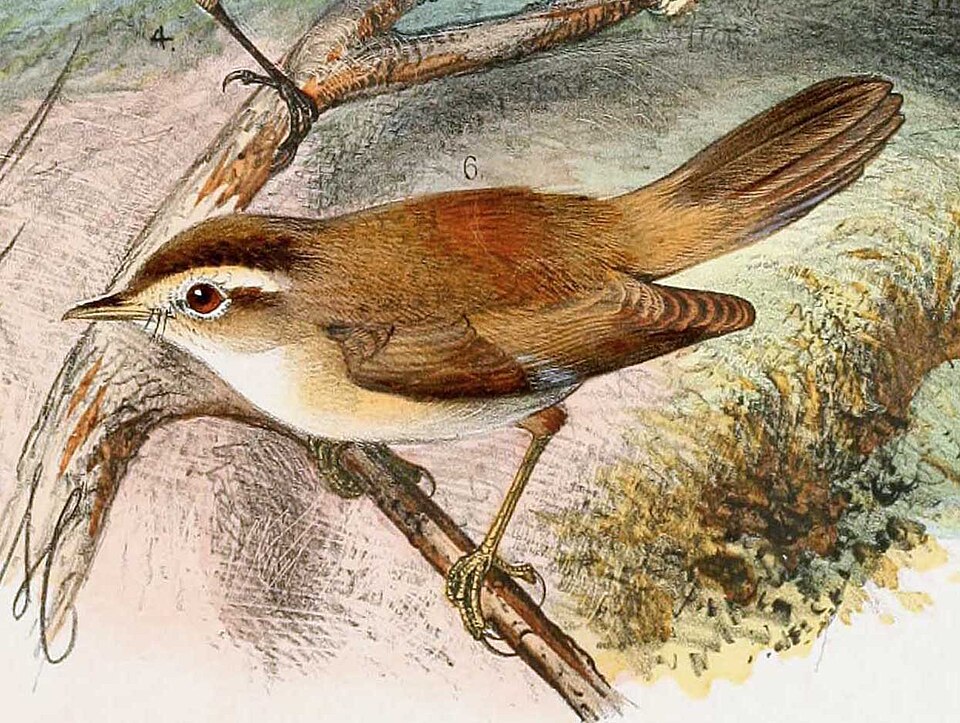 Black-browed Reed Warbler
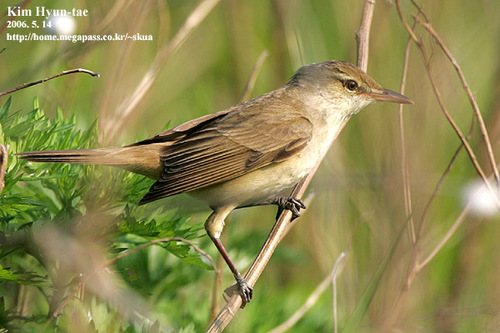 Oriental Reed Warbler
In breve
Il segno di campo più affidabile per separare il Black-browed Reed Warbler dall'Oriental Reed Warbler è la dimensione e la struttura: l'Oriental è molto più grande e massiccio, con un becco notevolmente più lungo e pesante e una punta chiara alla coda che il Black-browed non ha. In tutte le livree, l'Oriental Reed Warbler ha un aspetto più robusto e ali più lunghe, mentre il Black-browed è più piccolo, più snello e tende a rimanere più in basso nelle canne dense. Entrambi mostrano una striscia scura sugli occhi e un supercilio chiaro, ma la forma del becco e della coda dell'Oriental sono distintive in un confronto diretto. Se vedi una coda grande, con punta chiara e quadrata e un becco pesante, stai osservando un Oriental Reed Warbler.
Consigli di identificazione
- Size and Structure: L'Oriental Reed Warbler è molto più grande e massiccio del Black-browed, con un becco più lungo e pesante e ali più lunghe. Questo è spesso il primo indizio sul campo, specialmente quando visto accanto ad altri warbler delle canne.
- Tail Shape and Markings: L'Oriental Reed Warbler ha una coda quadrata con punte bianche prominenti sulle penne della coda, visibili sia nei uccelli in posa che in volo. Il Black-browed non ha questa punta chiara alla coda e ha una coda più semplice.
- Bill Shape and Color: Il becco dell'Oriental è notevolmente più lungo, più spesso e più pesante, marrone sopra e rosa sotto con una apertura arancione brillante. Il becco del Black-browed è più corto e più fine, non così robusto o colorato.
- Facial Pattern: Entrambi hanno una striscia scura sugli occhi e un supercilio chiaro, ma quello dell'Oriental è più ampio e il viso appare più pesante a causa del grande becco. Il viso del Black-browed è più fine e delicato.
- Underparts: L'Oriental Reed Warbler mostra parti inferiori bianche con fianchi più marroni e copritrici della coda, e deboli strisce grigie sulla gola e sul petto. Il Black-browed è più semplice sotto, privo di striature e forte contrasto.
- Upperparts: L'Oriental è marrone sopra con un sopracciglio più chiaro; il Black-browed è simile ma complessivamente meno contrastante e più uniforme.
- Behavior: Il Black-browed cerca cibo in basso e nascosto nelle canne dense, raramente si posa in alto. L'Oriental è più probabile da vedere cantare da posatoi esposti in cima alle canne o ai cespugli.
- Vocalizations: Se senti un forte, aspro 'chack' o una canzone con note gutturali e croccanti da un posatoio prominente, è l'Oriental Reed Warbler. La voce del Black-browed non è descritta qui.
- Habitat Preference: Il Black-browed preferisce canneti densi e indisturbati, mentre l'Oriental può essere trovato in una gamma più ampia di habitat di canneti, comprese aree più aperte o disturbate.
- Jizz in Flight: L'Oriental appare con ali più lunghe e più potente in volo, mentre il Black-browed è più piccolo, più agile e rimane più vicino alla copertura.
- Comparison with Other Reed Warblers: Se sei familiare con l'Eurasian Reed Warbler, il Black-browed è simile in dimensione e struttura, mentre l'Oriental è molto più grande e robusto.
- Season and Age: La punta chiara della coda dell'Oriental è presente in tutte le età e stagioni, rendendola un segno affidabile tutto l'anno. Non sono descritti segni specifici per età per il Black-browed.
- Pitfalls: Non fare affidamento solo sulla striscia sugli occhi e sul supercilio, poiché entrambe le specie mostrano queste caratteristiche. Concentrati su dimensione, becco e punta della coda per una separazione sicura.
- Sex: Non è descritto dimorfismo sessuale per nessuna delle due specie, quindi tutti i segni si applicano a entrambi i sessi.
- When in Doubt: Se vedi un grande warbler delle canne con una coda a punta chiara e un becco pesante che canta dalla cima di una canna, è l'Oriental. Se l'uccello è piccolo, snello e si nasconde in basso nelle canne dense senza punta chiara alla coda, è il Black-browed.
Taglia
L'Oriental Reed Warbler è un grande warbler, misurando 18–20 cm di lunghezza con un'apertura alare di 23–26 cm [wikipedia]. Il Black-browed Reed Warbler è nettamente più piccolo e snello, con un becco più corto e fine e una struttura complessivamente più delicata. Sul campo, la maggiore massa, le ali più lunghe e il becco più pesante e lungo dell'Oriental sono solitamente evidenti quando i due sono visti fianco a fianco o con esperienza. Il Black-browed Reed Warbler è più vicino in dimensione all'Eurasian Reed Warbler, notevolmente ridotto rispetto all'Oriental.
Piumaggio
Le livree giovanili e immature non sono descritte in dettaglio per il Black-browed Reed Warbler, ma l'Oriental Reed Warbler di tutte le età mostra parti superiori marroni con un sopracciglio più chiaro e punte bianche sulle penne della coda, che è un segno chiave sul campo. Entrambe le specie hanno una striscia scura sugli occhi e un supercilio chiaro, ma quello dell'Oriental è più ampio e il viso appare più pesante a causa del grande becco. Le parti inferiori dell'Oriental sono bianche, con fianchi più marroni e copritrici della coda, e deboli strisce grigie sulla gola e sul petto. La punta chiara della coda è un segno affidabile per l'Oriental di tutte le età ed è assente nel Black-browed. Il Black-browed Reed Warbler è complessivamente più semplice e meno contrastante, senza menzione di punte alla coda o parti inferiori striate.
Comportamento
Il Black-browed Reed Warbler preferisce cercare cibo vicino al suolo, rimanendo basso e nascosto all'interno di letti di canne densi e indisturbati. L'Oriental Reed Warbler è più propenso a cantare da posatoi prominenti come le cime degli steli di canna o cespugli, rendendolo più visibile e eretto. Questa differenza nel comportamento di foraggiamento e canto può aiutare in situazioni sul campo, specialmente quando gli uccelli vengono spaventati o cantano.
Habitat
Entrambe le specie sono specialiste dei canneti, ma il Black-browed Reed Warbler è particolarmente associato a vegetazione palustre nativa e indisturbata ed è sensibile alla perdita di habitat. L'Oriental Reed Warbler abita anche i canneti ma può essere trovato in una gamma più ampia di habitat umidi, comprese aree più aperte o disturbate. Nelle aree sovrapposte, il Black-browed è più probabile che venga trovato in canne dense e meno disturbate.
Voce
L'Oriental Reed Warbler ha una canzone che è una miscela di frasi melodiche e note gutturali e croccanti, spesso consegnate da un posatoio evidente. Il suo richiamo è un forte e aspro 'chack.' Le vocalizzazioni per il Black-browed Reed Warbler non sono descritte nelle note fornite, quindi la voce è diagnostica solo se si sente la canzone o il richiamo distintivo dell'Oriental.
Black-browed Reed Warbler · Oriental Reed Warbler · I miei uccelli difficili