

yellowhead vs north island robin
Mohoua ochrocephala versus Petroica longipes
Jogue um quiz com yellowhead e north island robin
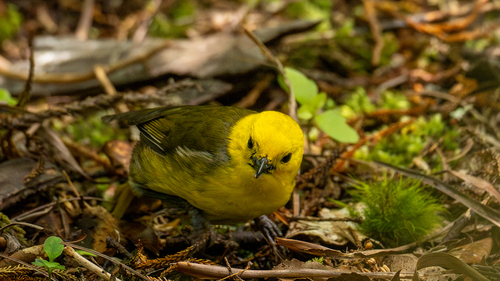 yellowhead
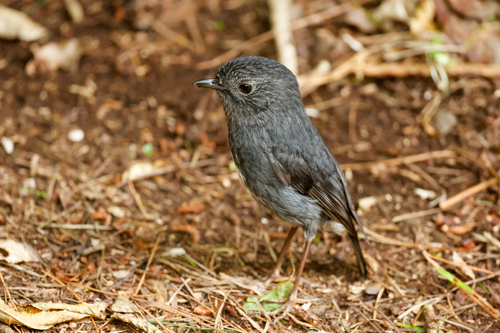 north island robin
Em resumo
A marca de campo mais confiável para separar o yellowhead (Mohoua ochrocephala) do north island robin (Petroica longipes) é a plumagem geral: o yellowhead é amarelo brilhante na cabeça e nas partes inferiores, enquanto o north island robin é cinza-escuro a preto, com apenas uma pequena mancha clara no ventre. Mesmo imaturos e fêmeas de ambas as espécies mostram essa diferença básica de cor. O yellowhead é um pássaro pequeno e ativo que vive em bandos, frequentemente em grupos barulhentos, enquanto o north island robin é solitário ou em pares e tem uma postura mais ereta, semelhante a um robin. Se você ver um pássaro pequeno e amarelo brilhante em um bando misto, é um yellowhead; um pássaro maior e escuro com uma mancha clara no ventre, frequentemente sozinho e empoleirado de forma ereta, é um north island robin.
Dicas de identificação
- Cor geral: O yellowhead é amarelo brilhante na cabeça e nas partes inferiores, com partes superiores oliva-marrom; o north island robin é cinza-escuro a preto com uma pequena mancha clara no ventre e nenhuma amarelo. Esta é a marca mais confiável em todas as idades e sexos.
- Comportamento em bandos: O yellowhead frequentemente ocorre em bandos barulhentos e ativos, às vezes com outros pequenos pássaros de floresta. O north island robin é geralmente solitário ou em pares, raramente em bandos.
- Postura e movimento: O north island robin empoleira-se ereto, frequentemente em troncos ou galhos baixos, e salta no chão. O yellowhead é mais ativo na copa, movendo-se rapidamente através da folhagem.
- Mancha branca oculta: O north island robin tem uma mancha branca oculta na base do bico, às vezes exibida durante interações sociais, mas não visível em repouso. O yellowhead não possui essa característica.
- Dimorfismo sexual: Os machos do north island robin são ligeiramente mais escuros e maiores que as fêmeas, mas ambos os sexos são escuros em geral. O yellowhead apresenta pouco dimorfismo sexual; ambos os sexos são amarelos.
- Plumagem juvenil/imatura: Nenhum padrão distintivo de asa ou voo juvenil é notado para ambas as espécies; a separação depende da cor e estrutura geral.
- Tamanho e estrutura: O north island robin é ligeiramente maior e mais robusto, com pernas mais longas e uma postura mais ereta. O yellowhead é menor, mais compacto e mais ativo.
- Distribuição: O yellowhead é encontrado apenas na Ilha Sul; o north island robin apenas na Ilha Norte. Se você conhece sua localização, isso é uma forte pista, mas nem sempre é confiável para vagantes ou populações translocadas.
- Habitat: O yellowhead prefere florestas nativas maduras (especialmente florestas de faia) e agora é raro e local. O north island robin é mais adaptável a diferentes tipos de floresta na Ilha Norte.
- Associação com outros pássaros: O yellowhead frequentemente lidera bandos de espécies mistas; o north island robin é menos provável de se juntar a tais grupos.
- Altura de forrageio: O yellowhead normalmente forrageia mais alto na copa; o north island robin é frequentemente visto em níveis mais baixos ou no chão.
- Comportamento perto de pessoas: O north island robin é confiante e pode se aproximar de perto; o yellowhead é mais cauteloso e permanece mais alto nas árvores.
- Sem amarelo no robin: Qualquer sinal de amarelo na cabeça ou nas partes inferiores exclui o north island robin.
- Sem pássaros escuros, semelhantes a robins entre mohua: Qualquer pássaro com uma aparência escura e semelhante a um robin entre um bando de yellowhead provavelmente é uma espécie diferente.
- Sem marcas de voo distintivas: Nenhuma das espécies tem um padrão único de asa ou voo para separação em campo; confie na plumagem e no comportamento.
Tamanho
O yellowhead é um pequeno passeriforme com uma massa corporal de cerca de 27,75g [wikidata]. O north island robin é ligeiramente maior e mais robusto, com machos sendo um pouco maiores que as fêmeas, embora a massa exata não seja fornecida aqui. No campo, os robins parecem mais robustos e com pernas mais longas, enquanto o yellowhead é mais compacto e ativo.
Plumagem
As diferenças de plumagem são marcantes em todas as idades e sexos. O yellowhead é amarelo brilhante na cabeça e nas partes inferiores, com partes superiores oliva-marrom. Este amarelo é óbvio mesmo em imaturos. O north island robin é cinza-escuro a preto em geral, com uma pequena mancha clara no ventre e no peito, e listras claras nas partes superiores. Os machos são mais escuros que as fêmeas, mas ambos os sexos não têm amarelo. O north island robin tem uma mancha branca oculta na base do bico, às vezes exibida em interações sociais, mas não é visível em repouso. Nenhum padrão distintivo de asa ou imaturo é notado para ambas as espécies, portanto, a separação depende da cor e padrão geral, em vez de marcas de asa.
Comportamento
O yellowhead é frequentemente visto em bandos barulhentos e ativos, especialmente fora da temporada de reprodução, às vezes liderando grupos de espécies mistas pela floresta. Eles se movem rapidamente e forrageiam alto na copa. O north island robin é geralmente solitário ou em pares, empoleirando-se ereto em troncos ou galhos baixos, e é menos provável de se juntar a bandos mistos. Os robins são mais confiantes, frequentemente saltando no chão ou empoleirando-se à altura dos olhos, e podem se aproximar de observadores de perto.
Habitat
O yellowhead é restrito à Ilha Sul e prefere florestas nativas maduras, especialmente florestas de faia. Eles agora são raros e locais devido à predação, e são mais frequentemente encontrados em áreas protegidas ou livres de predadores. O north island robin é encontrado apenas na Ilha Norte, em uma variedade de florestas nativas, e é mais adaptável a diferentes tipos de floresta. Seus habitats não se sobrepõem, então a localização é uma forte pista, mas não é diagnóstica isoladamente.