

Yellowhead vs North Island Robin
Mohoua ochrocephala contro Petroica longipes
Fai un quiz con Yellowhead e North Island Robin
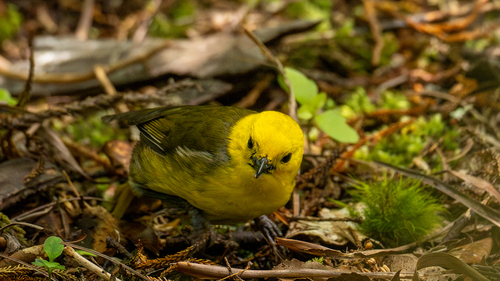 Yellowhead
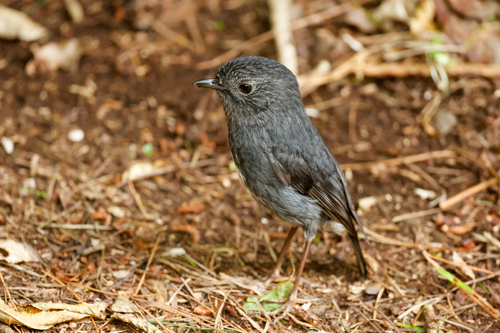 North Island Robin
In breve
Il segno distintivo più affidabile per separare il Yellowhead (Mohoua ochrocephala) dal North Island Robin (Petroica longipes) è il piumaggio complessivo: il Yellowhead è di un giallo brillante sulla testa e sulle parti inferiori, mentre il North Island Robin è di un grigio-nero scuro con solo una piccola macchia chiara sul ventre. Anche gli immaturi e le femmine di entrambe le specie mostrano questa differenza di colore di base. Il Yellowhead è un uccello di piccole dimensioni, attivo e gregario, spesso in gruppi rumorosi, mentre il North Island Robin è solitario o in coppie e ha una postura più eretta, simile a quella di un pettirosso. Se vedi un piccolo uccello giallo brillante in un gruppo misto, è un Yellowhead; un uccello più grande e scuro con una macchia chiara sul ventre, spesso solo e posato in modo eretto, è un North Island Robin.
Consigli di identificazione
- Colore complessivo: il Yellowhead è di un giallo brillante sulla testa e sulle parti inferiori, con parti superiori di colore oliva-marrone; il North Island Robin è di un grigio-nero scuro con una piccola macchia chiara sul ventre e nessun giallo. Questo è il segno più affidabile in tutte le età e i sessi.
- Comportamento di gruppo: il Yellowhead si trova spesso in gruppi rumorosi e attivi, a volte con altri piccoli uccelli forestali. Il North Island Robin è solitamente solitario o in coppie, raramente in gruppi.
- Postura e movimento: il North Island Robin si posiziona in modo eretto, spesso su tronchi o rami bassi, e salta a terra. Il Yellowhead è più attivo nella chioma degli alberi, muovendosi rapidamente attraverso il fogliame.
- Macchia bianca nascosta: il North Island Robin ha una macchia bianca nascosta alla base del becco, a volte visibile durante le interazioni sociali, ma non visibile a riposo. Il Yellowhead non ha questa caratteristica.
- Dimorfismo sessuale: i maschi del North Island Robin sono leggermente più scuri e più grandi delle femmine, ma entrambi i sessi sono scuri nel complesso. Il Yellowhead mostra poco dimorfismo sessuale; entrambi i sessi sono gialli.
- Piumaggio giovanile/immaturo: non sono notati schemi distintivi di ali o volo giovanili per nessuna delle due specie; la separazione si basa sul colore e sulla struttura complessivi.
- Dimensioni e struttura: il North Island Robin è leggermente più grande e robusto, con zampe più lunghe e una postura più eretta. Il Yellowhead è più piccolo, più compatto e più attivo.
- Distribuzione: il Yellowhead si trova solo nell'Isola del Sud; il North Island Robin solo nell'Isola del Nord. Se conosci la tua posizione, questo è un forte indizio, ma non sempre affidabile per vagabondi o popolazioni trapiantate.
- Habitat: il Yellowhead preferisce foreste native mature (soprattutto di faggio) ed è ora raro e locale. Il North Island Robin è più adattabile a diversi tipi di foresta nell'Isola del Nord.
- Associazione con altri uccelli: il Yellowhead spesso guida gruppi misti di specie; il North Island Robin è meno probabile che si unisca a tali gruppi.
- Altezza di foraggiamento: il Yellowhead di solito foraggia più in alto nella chioma; il North Island Robin è spesso visto a livelli più bassi o a terra.
- Comportamento vicino alle persone: il North Island Robin è fiducioso e può avvicinarsi; il Yellowhead è più diffidente e rimane più in alto sugli alberi.
- Nessun giallo nel robin: qualsiasi segno di giallo sulla testa o sulle parti inferiori esclude il North Island Robin.
- Nessun uccello scuro, simile a un robin tra i mohua: qualsiasi uccello con un aspetto scuro e simile a un robin tra un gruppo di Yellowhead è probabilmente una specie diversa.
- Nessun segno distintivo di volo: nessuna delle due specie ha un modello unico di ali o volo per la separazione sul campo; fare affidamento su piumaggio e comportamento.
Taglia
Il Yellowhead è un piccolo passeriforme con una massa corporea di circa 27,75 g [wikidata]. Il North Island Robin è leggermente più grande e robusto, con i maschi che sono un po' più grandi delle femmine, anche se la massa esatta non è fornita qui. Sul campo, i robins appaiono più robusti e con zampe più lunghe, mentre il Yellowhead è più compatto e attivo.
Piumaggio
Le differenze di piumaggio sono evidenti in tutte le età e i sessi. Il Yellowhead è di un giallo brillante sulla testa e sulle parti inferiori, con parti superiori di colore oliva-marrone. Questo giallo è evidente anche negli immaturi. Il North Island Robin è di un grigio-nero scuro nel complesso, con una piccola macchia chiara sul ventre e sul petto, e striature chiare sulle parti superiori. I maschi sono più scuri delle femmine, ma entrambi i sessi non hanno alcun giallo. Il North Island Robin ha una macchia bianca nascosta alla base del becco, a volte visibile nelle interazioni sociali, ma non è visibile a riposo. Non sono notati schemi distintivi di ali o volo giovanili per nessuna delle due specie, quindi la separazione si basa sul colore e sul modello complessivi piuttosto che sui segni delle ali.
Comportamento
Il Yellowhead è spesso visto in gruppi rumorosi e attivi, specialmente al di fuori della stagione riproduttiva, a volte guidando gruppi misti di specie attraverso la foresta. Sono veloci e foraggiano in alto nella chioma. Il North Island Robin è solitamente solitario o in coppie, posato in modo eretto su tronchi o rami bassi, ed è meno probabile che si unisca a gruppi misti. I robins sono più fiduciosi, spesso saltando a terra o posandosi all'altezza degli occhi, e possono avvicinarsi agli osservatori.
Habitat
Il Yellowhead è limitato all'Isola del Sud e preferisce foreste native mature, soprattutto foreste di faggio. Ora sono rari e locali a causa della predazione e si trovano più spesso in aree protette o prive di predatori. Il North Island Robin si trova solo nell'Isola del Nord, in una gamma di foreste native, ed è più adattabile a diversi tipi di foresta. Le loro aree non si sovrappongono, quindi la posizione è un forte indizio, ma non diagnostico in isolamento.