

escrevedeira-de-barriga-amarela vs escrevedeira-de-faces-pretas
Emberiza aureola versus Emberiza spodocephala
Jogue um quiz com escrevedeira-de-barriga-amarela e escrevedeira-de-faces-pretas
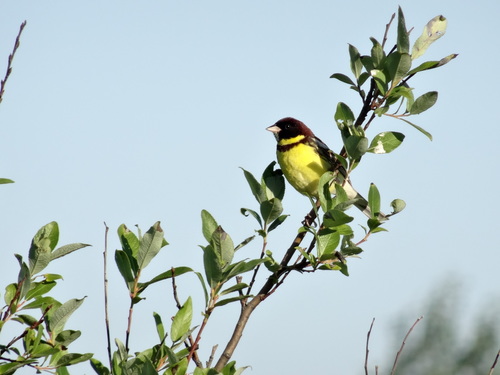 escrevedeira-de-barriga-amarela
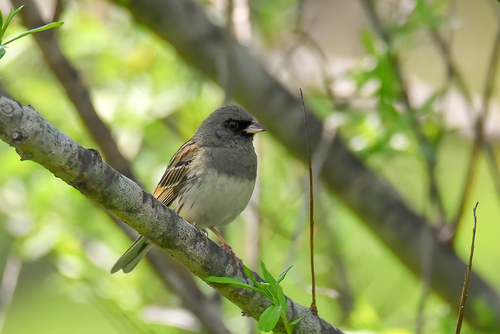 escrevedeira-de-faces-pretas
Em resumo
A marca de campo mais confiável entre a escrevedeira-de-barriga-amarela e a escrevedeira-de-faces-pretas é o padrão da cabeça e das partes inferiores do macho em plumagem de reprodução: os machos da escrevedeira-de-barriga-amarela apresentam um rosto e uma barra de garganta pretos marcantes, com partes inferiores brancas brilhantes e listras pretas ousadas nas flancos, enquanto os machos da escrevedeira-de-faces-pretas têm uma cabeça cinza escura com amarelo-esverdeado e preto ao redor do bico e do olho, e partes inferiores amarelo-esbranquiçadas com listras mais finas. As fêmeas e os juvenis de ambas as espécies são listrados e muito mais apagados, mas a escrevedeira-de-barriga-amarela tende a ser mais robusta e apresenta uma cor de partes inferiores mais contrastante, amarelada ou amarelada, enquanto a escrevedeira-de-faces-pretas é geralmente mais oliva e menos contrastante. Ambas são semelhantes em tamanho, mas a escrevedeira-de-barriga-amarela é ligeiramente mais robusta. Em plumagens não reprodutivas ou imaturas, é necessário prestar atenção cuidadosa ao padrão do rosto, à cor das partes inferiores e às listras nos flancos, pois ambas podem parecer bastante semelhantes e são facilmente confundidas, especialmente em voo ou à distância.
Dicas de identificação
- Padrão da cabeça do macho em reprodução: Os machos da escrevedeira-de-barriga-amarela têm um rosto e uma barra de garganta pretos, enquanto os machos da escrevedeira-de-faces-pretas têm uma cabeça cinza escura com amarelo-esverdeado e preto ao redor do bico e do olho. Esta é a marca mais confiável na primavera/verão.
- Cor e contraste das partes inferiores (todas as idades): A escrevedeira-de-barriga-amarela, mesmo em fêmeas e juvenis, tende a ter um tom amarelado ou amarelado nas partes inferiores e no rosto, com uma aparência mais contrastante. A escrevedeira-de-faces-pretas é geralmente mais fria, com partes inferiores amarelo-cremosas e um rosto menos contrastante, oliva-cinza.
- Listras nos flancos: Os machos da escrevedeira-de-barriga-amarela têm listras pretas ousadas nos flancos sobre partes inferiores brancas; a escrevedeira-de-faces-pretas tem listras finas marrons escuras sobre partes inferiores amarelo-esbranquiçadas. Em fêmeas e juvenis, ambas são listradas, mas as listras da escrevedeira-de-barriga-amarela costumam ser mais pesadas e contrastantes.
- Padrão do rosto (fêmeas/imaturos): A fêmea da escrevedeira-de-barriga-amarela apresenta um rosto esbranquiçado com coroa escura, olho e listras na bochecha, enquanto as fêmeas e jovens da escrevedeira-de-faces-pretas têm bochechas oliva-cinzas e um supercílio cremoso fraco. Procure a nitidez e a colocação dessas marcas.
- Cor do bico: Ambas as espécies têm um bico rosa, mas a escrevedeira-de-barriga-amarela é notada por ter uma mandíbula inferior rosa, que pode ser mais óbvia em boa luz.
- Partes superiores: Ambas são marrons e listradas acima, mas a escrevedeira-de-faces-pretas é descrita como fortemente listrada, exceto pelo rabo, que é marrom liso. Este contraste no rabo pode ajudar em vistas próximas.
- Estrutura: A escrevedeira-de-barriga-amarela é mais robusta e volumosa, com uma aparência mais robusta, especialmente quando empoleirada. A escrevedeira-de-faces-pretas é mais semelhante a um pisco e pode parecer mais esbelta.
- Tom de cor geral: A escrevedeira-de-barriga-amarela é mais quente e mais dourada ou amarelada, especialmente em juvenis e fêmeas. A escrevedeira-de-faces-pretas é mais fria, mais oliva ou acinzentada.
- Supercílio: As fêmeas e imaturos da escrevedeira-de-faces-pretas têm um supercílio cremoso branco fraco; o rosto da escrevedeira-de-barriga-amarela é mais padronizado com listras escuras e um fundo mais claro, mas não um supercílio forte.
- Vistas em voo: Não há padrões distintivos de asa superior ou cauda descritos para nenhuma das espécies, então confie na cor geral e na aparência em voo. A escrevedeira-de-barriga-amarela pode parecer mais volumosa e mostrar mais contraste embaixo.
- Habitat e contexto: Ambas podem ocorrer em habitats semelhantes, então não confie apenas na localização para identificação.
- Voz: Nenhuma diferença vocal é descrita nas notas, então não use canto ou chamada para separação aqui.
- Variação sazonal: Em plumagens não reprodutivas ou imaturas, ambas as espécies são mais apagadas e mais listradas, tornando a separação difícil. Foque no padrão do rosto e na cor das partes inferiores para melhores resultados.
- Armadilhas: Fêmeas e juvenis de ambas as espécies são facilmente confundidos devido a padrões listrados marrons semelhantes. O estudo cuidadoso do padrão do rosto e da cor das partes inferiores é essencial. Evite confiar excessivamente em habitat ou comportamento, pois estes não são diagnósticos.
- Quando em dúvida: Se o pássaro mostrar um rosto e uma barra de garganta pretos fortes (macho em plumagem de reprodução), é a escrevedeira-de-barriga-amarela. Se a cabeça for cinza escura com amarelo-esverdeado e preto ao redor do bico e do olho, é a escrevedeira-de-faces-pretas. Para pássaros marrons listrados, procure os tons mais quentes e amarelados e o rosto mais contrastante da escrevedeira-de-barriga-amarela em comparação com o rosto mais frio, oliva-cinza e fracamente marcado da escrevedeira-de-faces-pretas.
Tamanho
Ambas as espécies são semelhantes em comprimento, com a escrevedeira-de-barriga-amarela medindo 14–16 cm e a escrevedeira-de-faces-pretas cerca de 16 cm. A escrevedeira-de-barriga-amarela é descrita como grande e bastante robusta para uma escrevedeira, enquanto a escrevedeira-de-faces-pretas é comparada em tamanho à escrevedeira-de-juncos e tem uma impressão mais semelhante a um pisco, mas com o bico de uma escrevedeira. O peso da escrevedeira-de-barriga-amarela é de 17–26 g; nenhum peso é dado para a escrevedeira-de-faces-pretas, mas elas provavelmente são próximas. No geral, a escrevedeira-de-barriga-amarela pode parecer ligeiramente mais volumosa, especialmente quando empoleirada.
Plumagem
-
Juvenis e Fêmeas: Ambas são fortemente listradas de marrom acima e listradas abaixo, mas os juvenis e fêmeas da escrevedeira-de-barriga-amarela têm um fundo amarelado ou amarelado nas partes inferiores e no rosto, com um rosto esbranquiçado marcado por coroa escura, olho e listras na bochecha. As fêmeas e jovens da escrevedeira-de-faces-pretas são mais oliva-cinzas nas bochechas, com um supercílio cremoso branco fraco, e as partes inferiores são amarelo-cremosas com listras marrons escuras pesadas. O efeito geral é que a escrevedeira-de-barriga-amarela é mais quente e mais contrastante, enquanto a escrevedeira-de-faces-pretas é mais fria e mais sutil.
-
Machos Adultos em Reprodução: Os machos da escrevedeira-de-barriga-amarela são inconfundíveis com um rosto e uma barra de garganta pretos, partes inferiores brancas brilhantes com listras pretas ousadas nos flancos, partes superiores marrons e uma mandíbula inferior rosa. Os machos da escrevedeira-de-faces-pretas têm uma cabeça cinza escura (não preta), amarelo-esverdeado e preto entre o bico e o olho, partes superiores marrons e fortemente listradas, exceto pelo rabo, e partes inferiores amarelo-esbranquiçadas com listras finas marrons escuras. O contraste da cabeça e das partes inferiores é muito mais forte na escrevedeira-de-barriga-amarela.
-
Asa Superior/Voo: Nenhum padrão distintivo de asa superior ou padrão de voo é descrito para nenhuma das espécies nas fontes, então a separação em voo depende da impressão geral de cor e estrutura, em vez de marcas específicas nas asas.
Comportamento
Ambas as espécies são alimentadoras terrestres e frequentemente forrageiam no chão. A escrevedeira-de-faces-pretas é notada por dar uma impressão semelhante a um pisco em seus hábitos alimentares e postura, mas com o bico de uma escrevedeira. A escrevedeira-de-barriga-amarela é descrita como robusta, o que pode ser aparente em uma postura mais robusta e ereta. Nenhum comportamento específico de voo ou agrupamento é dado que separe confiavelmente as duas.
Habitat
Ambas as espécies são encontradas em toda a Palearctica e ocupam habitats semelhantes, frequentemente em áreas arbustivas ou de juncos perto da água. Não há distinções de habitat nas notas fornecidas que sejam diagnósticas para identificação de campo entre essas duas espécies.
escrevedeira-de-barriga-amarela · escrevedeira-de-faces-pretas · Minhas aves difíceis