

Zigolo dal collare vs Zigolo mascherato
Emberiza aureola contro Emberiza spodocephala
Fai un quiz con Zigolo dal collare e Zigolo mascherato
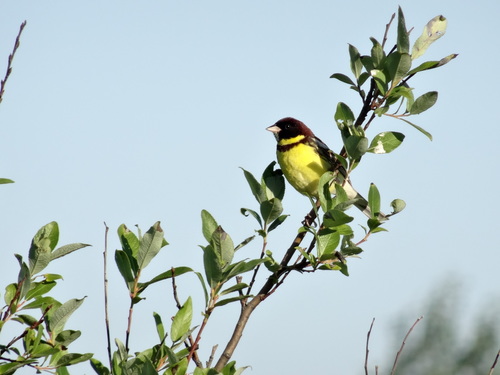 Zigolo dal collare
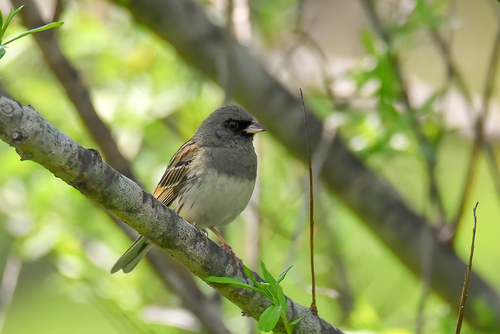 Zigolo mascherato
In breve
Il segno distintivo più affidabile tra Zigolo dal collare e Zigolo mascherato è il modello della testa e delle parti inferiori del maschio in abito nuziale: i maschi di Zigolo dal collare mostrano un sorprendente viso nero e una barra sulla gola con parti inferiori bianche brillanti e audaci strisce nere ai fianchi, mentre i maschi di Zigolo mascherato hanno una testa grigia scura con giallo-verde e nero attorno al becco e all'occhio, e parti inferiori giallo-biancastre con striature più fini. Le femmine e i giovani di entrambe le specie sono striati e molto più opachi, ma il Zigolo dal collare tende ad essere più robusto e mostra un colore delle parti inferiori più contrastante, color sabbia o giallastro, mentre il Zigolo mascherato è generalmente più oliva e meno contrastante. Entrambi sono simili in dimensioni, ma il Zigolo dal collare è leggermente più robusto. Negli abiti non nuziali o immaturi, è necessaria un'attenzione particolare al modello del viso, al colore delle parti inferiori e alla striatura dei fianchi, poiché entrambi possono apparire piuttosto simili e sono facilmente confusi, specialmente in volo o a distanza.
Consigli di identificazione
- Breeding male head pattern: I maschi di Zigolo dal collare hanno un viso nero e una barra sulla gola, mentre i maschi di Zigolo mascherato hanno una testa grigia scura con giallo-verde e nero attorno al becco e all'occhio. Questo è il segno più affidabile in primavera/estate.
- Underpart color and contrast (all ages): Zigolo dal collare, anche nelle femmine e nei giovani, tende ad avere un lavaggio color sabbia o giallastro nelle parti inferiori e nel viso, con un aspetto più contrastante. Zigolo mascherato è generalmente più freddo, con parti inferiori giallo-cremose e un viso oliva-grigiastro meno contrastante.
- Flank streaking: I maschi di Zigolo dal collare hanno audaci strisce nere ai fianchi su parti inferiori bianche; Zigolo mascherato ha fini striature marrone scuro su parti inferiori giallo-biancastre. Nelle femmine e nei giovani, entrambi sono striati, ma le striature del Zigolo dal collare sono spesso più pesanti e più contrastanti.
- Face pattern (females/immatures): La femmina di Zigolo dal collare mostra un viso biancastro con una corona scura, strisce oculari e guance, mentre le femmine e i giovani di Zigolo mascherato hanno guance oliva-grigiastre e un debole supercilium crema. Cerca la nitidezza e la posizione di questi segni.
- Bill color: Entrambe le specie hanno un becco rosa, ma il Zigolo dal collare è noto per una mandibola inferiore rosa, che può essere più evidente in buona luce.
- Upperparts: Entrambi sono marroni e striati sopra, ma il Zigolo mascherato è descritto come fortemente striato tranne che per il coda, che è marrone uniforme. Questo contrasto della coda può aiutare nelle osservazioni ravvicinate.
- Structure: Zigolo dal collare è più robusto e massiccio, con un aspetto più robusto, specialmente quando è posato. Zigolo mascherato è più simile a un codirossone e può apparire più snello.
- Overall color tone: Zigolo dal collare è più caldo e più dorato o color sabbia, specialmente nei giovani e nelle femmine. Zigolo mascherato è più freddo, più oliva o grigiastro.
- Supercilium: Le femmine e gli immaturi di Zigolo mascherato hanno un debole supercilium bianco crema; il viso del Zigolo dal collare è più decorato con strisce scure e uno sfondo più chiaro, ma non ha un forte supercilium.
- Flight views: Non ci sono modelli distintivi delle ali superiori o della coda descritti per entrambe le specie, quindi fai affidamento sul colore generale e sull'impressione in volo. Zigolo dal collare può apparire più massiccio e mostrare più contrasto sotto.
- Habitat and context: Entrambi possono verificarsi in habitat simili, quindi non fare affidamento solo sulla posizione per l'identificazione.
- Voice: Non ci sono differenze vocali descritte nelle note, quindi non utilizzare il canto o il richiamo per la separazione qui.
- Seasonal variation: Negli abiti non nuziali o immaturi, entrambe le specie sono più opache e più striate, rendendo difficile la separazione. Concentrati sul modello del viso e sul colore delle parti inferiori per i migliori risultati.
- Pitfalls: Le femmine e i giovani di entrambe le specie sono facilmente confusi a causa di modelli striati marroni simili. Uno studio attento del modello del viso e del colore delle parti inferiori è essenziale. Evita di fare troppo affidamento sull'habitat o sul comportamento, poiché questi non sono diagnostici.
- When in doubt: Se l'uccello mostra un forte viso nero e una barra sulla gola (maschio in abito nuziale), è Zigolo dal collare. Se la testa è grigia scura con giallo-verde e nero attorno al becco e all'occhio, è Zigolo mascherato. Per gli uccelli striati marroni, cerca toni più caldi, color sabbia e un viso più contrastante di Zigolo dal collare rispetto al viso più freddo, oliva-grigiastro e debolmente marcato di Zigolo mascherato.
Taglia
Entrambe le specie sono simili in lunghezza, con Zigolo dal collare che misura 14–16 cm e Zigolo mascherato circa 16 cm. Zigolo dal collare è descritto come grande e piuttosto robusto per un zigolo, mentre Zigolo mascherato è paragonato in dimensioni a Zigolo di canna e ha un'impressione più simile a un codirossone ma con un becco da zigolo. Il peso per Zigolo dal collare è di 17–26 g; non è fornito alcun peso per Zigolo mascherato, ma è probabile che siano simili. In generale, Zigolo dal collare può apparire leggermente più massiccio, specialmente quando è posato.
Piumaggio
-
Juveniles and Females: Entrambi sono fortemente striati di marrone sopra e striati sotto, ma i giovani e le femmine di Zigolo dal collare hanno uno sfondo color sabbia o giallastro nelle parti inferiori e nel viso, con un viso biancastro contrassegnato da una corona scura, strisce oculari e guance. Le femmine e i giovani di Zigolo mascherato sono più oliva-grigiastre sulle guance, con un debole supercilium bianco crema, e le parti inferiori sono giallo-cremose con pesanti striature marrone scuro. L'effetto complessivo è che Zigolo dal collare è più caldo e più contrastante, mentre Zigolo mascherato è più freddo e più sobrio.
-
Adult Breeding Males: I maschi di Zigolo dal collare sono inconfondibili con un viso nero e una barra sulla gola, parti inferiori bianche brillanti con audaci strisce nere ai fianchi, parti superiori marroni e una mandibola inferiore rosa. I maschi di Zigolo mascherato hanno una testa grigia scura (non nera), giallo-verde e nero tra il becco e l'occhio, parti superiori marroni e fortemente striate tranne che per il coda, e parti inferiori giallo-biancastre con fini striature marrone scuro ai fianchi. Il contrasto tra la testa e le parti inferiori è molto più forte nel Zigolo dal collare.
-
Upperwing/Flight: Non è descritto alcun modello distintivo delle ali superiori o di volo per entrambe le specie nelle fonti, quindi la separazione in volo si basa sull'impressione generale del colore e sulla struttura piuttosto che su marcature specifiche delle ali.
Comportamento
Entrambe le specie sono alimentatori terrestri e spesso cercano cibo a terra. Zigolo mascherato è noto per dare un'impressione simile a un codirossone nelle sue abitudini alimentari e nella postura, ma con un becco da zigolo. Zigolo dal collare è descritto come robusto, il che può essere evidente in una postura più robusta e eretta. Non sono forniti comportamenti specifici di volo o di gruppo che separano affidabilmente i due.
Habitat
Entrambe le specie si trovano attraverso il Paleartico e occupano habitat simili, spesso in aree cespugliose o palustri vicino all'acqua. Non ci sono distinzioni di habitat nelle note fornite che siano diagnostiche per l'identificazione sul campo tra queste due specie.
Zigolo dal collare · Zigolo mascherato · I miei uccelli difficili