

yellow bittern vs socozinho
Botaurus sinensis versus Butorides striata
Jogue um quiz com yellow bittern e socozinho
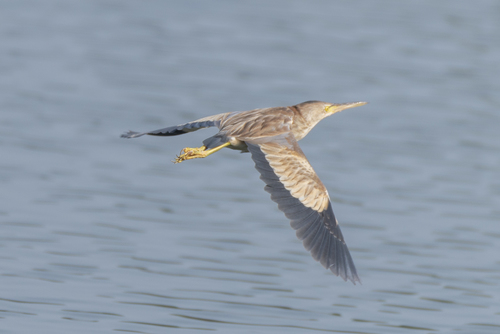 yellow bittern
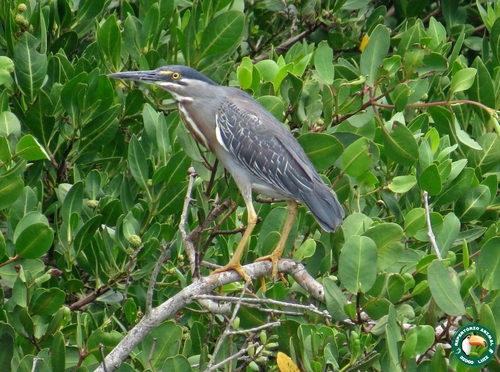 socozinho
Em resumo
A marca de campo mais confiável entre yellow bittern e socozinho é a estrutura geral e o padrão da cabeça: yellow bitterns são menores, com um pescoço e bico mais curtos, e mostram um forte dimorfismo sexual e listras relacionadas à idade, enquanto socozinhos são mais robustos, têm costas azul-acinzentadas, e ambos os sexos são semelhantes com uma distinta touca preta e linha ocular escura. Juvenis de yellow bittern são mais fortemente listrados acima e abaixo do que juvenis de socozinho, que são mais marrons e fortemente listrados abaixo, mas carecem dos tons ruivos do bittern. Em voo ou empoleirados, yellow bitterns parecem mais compactos e têm pernas amarelo-esverdeadas e um bico de marfim, enquanto socozinhos têm pernas mais longas, com pernas amarelas curtas e um bico mais escuro e pesado. Ambas as espécies podem ser encontradas perto da água, mas o socozinho é mais provável em manguezais e áreas costeiras, enquanto yellow bitterns preferem juncais e pântanos.
Dicas de identificação
- Tamanho e estrutura: Yellow bittern é menor e mais compacto, com um pescoço e bico curtos. Socozinho é mais robusto, com uma construção mais pesada e pernas mais longas. Use isso especialmente quando os pássaros estão lado a lado ou perto de outros garças para escala.
- Cor e forma do bico: Yellow bittern tem um bico de marfim (mais escuro acima), esguio e reto; socozinho tem um bico mais escuro e pesado. A cor do bico é melhor vista de perto ou em boa luz.
- Cor das pernas: As pernas do yellow bittern são amarelo-esverdeadas, enquanto as do socozinho são curtas e amarelas brilhantes. A cor das pernas é uma verificação rápida quando os pássaros estão empoleirados ou em busca de alimento.
- Padrão da cabeça do macho adulto: Machos de yellow bittern têm uma touca escura e cabeça/pescoço castanho, com amarelo opaco acima e buff abaixo. Adultos de socozinho têm uma touca preta, costas/asas azul-acinzentadas, e uma linha escura do bico até abaixo do olho. As costas azul-acinzentadas são diagnósticas para adultos de socozinho.
- Dimorfismo sexual: Yellow bittern mostra fortes diferenças entre machos (castanho, sem listras) e fêmeas (listradas, ruivas); os sexos do socozinho são semelhantes.
- Plumagem juvenil: Juvenis de yellow bittern são fortemente listrados acima e abaixo, com pescoço e parte superior das costas ruivos. Juvenis de socozinho são mais marrons acima, fortemente listrados abaixo, mas carecem de tons ruivos e têm uma aparência marrom mais uniforme. Em caso de confusão, procure por tons ruivos e listras ousadas para yellow bittern.
- Padrão da asa superior: Nenhum padrão de voo distintivo é descrito para nenhum dos dois, mas a aparência compacta e de cauda curta do yellow bittern contrasta com a aparência mais pesada e longa do socozinho.
- Cauda: Yellow bittern tem uma cauda curta e preta, muitas vezes difícil de ver; a cauda do socozinho não é distintiva, mas o pássaro parece mais longo no geral.
- Cor do íris: Yellow bittern tem íris amarelas; a cor da íris do socozinho não é especificada, mas é menos provável que se destaque no campo.
- Contexto de habitat: Em juncais densos ou pântanos, espere por yellow bittern; em manguezais, lama costeira ou bordas de água aberta, o socozinho é mais provável.
- Comportamento: Socozinho pode ser visto em campo aberto, muitas vezes imóvel ou espreitando; yellow bittern é mais secreto e furtivo.
- Postura empoleirada: Yellow bittern frequentemente aparece curvado e compacto; socozinho fica mais alto, com um perfil mais alongado.
- Contexto geográfico: Se nas Américas, o socozinho é a espécie esperada; yellow bittern é do Velho Mundo (Ásia até a Indonésia) e apenas um raro vagante em outros lugares.
- Variação sazonal: Nenhuma mudança sazonal na plumagem é notada para nenhum dos dois, mas esteja ciente da confusão juvenil/feminina em yellow bittern.
- Armadilhas: Fêmeas e juvenis de yellow bittern podem ser confundidos com juvenis de socozinho devido às listras; concentre-se nos tons ruivos e na ousadia das listras para yellow bittern, e nas costas azul-acinzentadas/padrão adulto para socozinho.
Tamanho
Yellow bittern é distintamente menor, medindo 36–38 cm de comprimento, enquanto o socozinho varia de 35–48 cm, mas geralmente parece maior e mais robusto, com uma envergadura de 52–60 cm. O socozinho também é mais pesado (130–250 g) em comparação com o mais delicado yellow bittern. No campo, o socozinho parecerá mais robusto e com pernas mais longas, enquanto o yellow bittern é mais compacto e com pescoço curto.
Plumagem
- Pássaros juvenis/imaturos: Juvenis de yellow bittern são fortemente listrados de marrom acima, manchados de buff, e têm listras fortes nas partes inferiores, com um tom ruivo no pescoço e parte superior das costas. Juvenis de socozinho são mais marrons acima e fortemente listrados abaixo, mas carecem dos tons ruivos e têm uma aparência marrom mais uniforme.
- Machos adultos: Machos de yellow bittern têm uma touca escura, cabeça e pescoço castanhos, amarelo opaco acima e buff abaixo. Adultos de socozinho (ambos os sexos) têm uma touca preta, costas e asas azul-acinzentadas, partes inferiores brancas (com tons variáveis de cinza a alaranjado), e uma linha escura do bico até abaixo do olho.
- Fêmeas adultas: Fêmeas de yellow bittern são listradas na touca, pescoço e peito, com um pescoço e parte superior das costas ruivos, e partes inferiores listradas de vermelho-escuro e buff. Fêmeas de socozinho se parecem com os machos, sem dimorfismo sexual.
- Bico e pernas: Yellow bittern tem um bico de marfim (mais escuro acima) e pernas amarelo-esverdeadas; o socozinho apresenta um bico mais escuro e pesado e pernas amarelas curtas.
- Em voo: Nenhum padrão específico de asa superior é notado para nenhum dos dois, mas a estrutura compacta e a cauda curta do yellow bittern contrastam com a aparência mais longa e pesada do socozinho.
Comportamento
O socozinho é frequentemente visto empoleirado imóvel nas bordas da água, às vezes exibindo comportamentos únicos como bicar o ninho. É geralmente sedentário e pode mostrar forrageamento mais visível em manguezais abertos ou ao longo das costas. O yellow bittern é mais secreto, furtivo em juncos densos e vegetação de pântano, e é menos provável de ser visto em campo aberto. Ambas as espécies podem congelar com o pescoço estendido quando alarmadas, mas juvenis de socozinho são notados por uma exibição de ameaça apontando para o céu.
Habitat
Yellow bittern prefere juncais, pântanos e vegetação aquática densa, especialmente nos trópicos e subtropicais do Velho Mundo. O socozinho é mais frequentemente encontrado em manguezais, zonas úmidas costeiras e ao longo de riachos ou rios, especialmente nos Neotropicais e Caribe, mas também nos trópicos do Velho Mundo. Se você encontrar uma pequena garça em juncos densos, é mais provável que seja um yellow bittern; em manguezais ou bordas de lama abertas, o socozinho é o padrão.