

Yellow Bittern vs Airone striato
Botaurus sinensis contro Butorides striata
Fai un quiz con Yellow Bittern e Airone striato
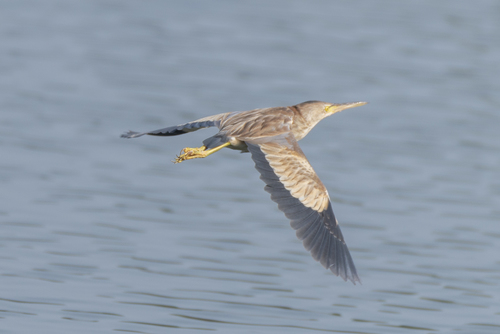 Yellow Bittern
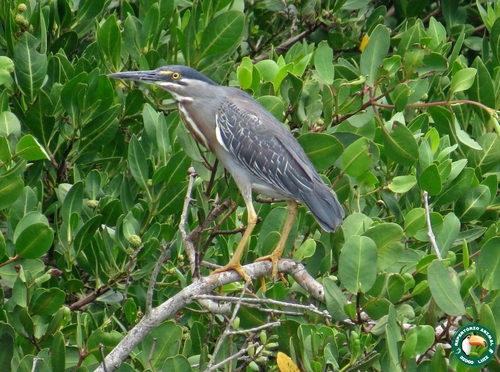 Airone striato
In breve
Il segno distintivo più affidabile tra Yellow Bittern e Airone striato è la struttura generale e il motivo della testa: i Yellow Bittern sono più piccoli, con un collo e un becco più corti, e mostrano un forte dimorfismo sessuale e striature legate all'età, mentre gli Aironi striati sono più robusti, hanno un dorso blu-grigio e entrambi i sessi si somigliano con un distintivo berretto nero e una linea oculare scura. I giovani Yellow Bittern sono più audacemente striati sopra e sotto rispetto ai giovani Aironi striati, che sono più marroni e pesantemente striati sotto ma mancano delle tonalità rugginose del bittern. In volo o posati, i Yellow Bittern appaiono più compatti e hanno gambe giallo-verdi e un becco avorio, mentre gli Aironi striati hanno gambe più lunghe, con gambe gialle corte e un becco più scuro e pesante. Entrambe le specie possono essere trovate vicino all'acqua, ma l'Airone striato è più probabile nei mangrovieti e nelle aree costiere, mentre i Yellow Bittern preferiscono le canneti e le paludi.
Consigli di identificazione
- Size and structure: Yellow Bittern è più piccolo e più compatto, con un collo e un becco corti. Airone striato è più robusto, con una corporatura più pesante e gambe più lunghe. Usa questo specialmente quando gli uccelli sono affiancati o vicino ad altri aironi per scala.
- Bill color and shape: Yellow Bittern ha un becco avorio (più scuro sopra), snello e dritto; Airone striato ha un becco più scuro e pesante. Il colore del becco è meglio visibile da vicino o in buona luce.
- Leg color: Le gambe del Yellow Bittern sono giallo-verdi, mentre quelle dell'Airone striato sono corte e gialle brillanti. Il colore delle gambe è un controllo rapido quando gli uccelli sono posati o in cerca di cibo.
- Adult male head pattern: I maschi di Yellow Bittern hanno un berretto scuro e una testa/collo castano, con giallo opaco sopra e buff sotto. Gli adulti di Airone striato hanno un berretto nero, dorso/ali blu-grigio, e una linea scura dal becco all'occhio. Il dorso blu-grigio è diagnostico per gli adulti di Airone striato.
- Sexual dimorphism: Yellow Bittern mostra forti differenze tra i maschi (castano, non striato) e le femmine (striato, rugginoso); i sessi dell'Airone striato si somigliano.
- Juvenile plumage: I giovani Yellow Bittern sono audacemente striati sopra e sotto, con un collo posteriore e un dorso superiore rugginosi. I giovani Aironi striati sono più marroni sopra, pesantemente striati sotto, ma mancano delle tonalità rugginose e hanno un aspetto marrone più uniforme. In caso di confusione, cerca striature rugginose e audaci per il Yellow Bittern.
- Upperwing pattern: Non è descritto alcun motivo di volo distintivo per entrambi, ma l'aspetto compatto e dalla coda corta del Yellow Bittern contrasta con l'aspetto più pesante e lungo dell'Airone striato.
- Tail: Il Yellow Bittern ha una coda nera corta, spesso difficile da vedere; la coda dell'Airone striato non è distintiva ma l'uccello appare più lungo nel complesso.
- Iris color: Il Yellow Bittern ha iridi gialle; il colore dell'iride dell'Airone striato non è specificato ma è meno probabile che si distingua sul campo.
- Habitat context: In dense canneti o paludi, aspettati il Yellow Bittern; in mangrovieti, fango costiero o bordi d'acqua aperti, l'Airone striato è più probabile.
- Behavior: L'Airone striato può essere visto in aperto, spesso immobile o in agguato; il Yellow Bittern è più segreto e si nasconde.
- Perched posture: Il Yellow Bittern appare spesso curvo e compatto; l'Airone striato sta più in alto, con un profilo più allungato.
- Geographic context: Se nelle Americhe, l'Airone striato è la specie attesa; il Yellow Bittern è del Vecchio Mondo (Asia fino all'Indonesia) e solo un raro vagabondo altrove.
- Seasonal variation: Non sono notati cambiamenti stagionali nel piumaggio per entrambi, ma fai attenzione alla confusione tra giovani/femmine nel Yellow Bittern.
- Pitfalls: Le femmine e i giovani Yellow Bittern possono essere confusi con i giovani Aironi striati a causa delle striature; concentrati sulle tonalità rugginose e sull'audacia delle striature per il Yellow Bittern, e sul dorso blu-grigio/motivo adulto per l'Airone striato.
Taglia
Il Yellow Bittern è nettamente più piccolo, misurando 36–38 cm di lunghezza, mentre l'Airone striato varia da 35–48 cm, ma appare tipicamente più grande e più robusto, con un'apertura alare di 52–60 cm. L'Airone striato è anche più pesante (130–250 g) rispetto al più delicato Yellow Bittern. Sul campo, l'Airone striato apparirà più tozzo e con gambe più lunghe, mentre il Yellow Bittern è più compatto e con collo corto.
Piumaggio
- Juvenile/immature birds: I giovani Yellow Bittern sono audacemente striati di marrone sopra, macchiati di buff, e hanno forti striature sulle parti inferiori, con una tonalità rugginosa sul collo posteriore e sul dorso superiore. I giovani Aironi striati sono più marroni sopra e pesantemente striati sotto, ma mancano delle tonalità rugginose e hanno un aspetto marrone più uniforme.
- Adult males: I maschi di Yellow Bittern hanno un berretto scuro, testa e collo castano, giallo opaco sopra e buff sotto. Gli adulti di Airone striato (entrambi i sessi) hanno un berretto nero, dorso e ali blu-grigio, parti inferiori bianche (con tonalità variabili da grigio a arancione), e una linea scura dal becco sotto l'occhio.
- Adult females: Le femmine di Yellow Bittern sono striate su berretto, collo e petto, con un collo posteriore rugginoso e dorso superiore, e parti inferiori striate di rosso scuro e buff. Le femmine di Airone striato assomigliano ai maschi, senza dimorfismo sessuale.
- Bill and legs: Il Yellow Bittern ha un becco avorio (più scuro sopra) e gambe giallo-verdi; l'Airone striato mostra un becco più scuro e pesante e gambe gialle corte.
- In flight: Non è notato alcun motivo specifico per le ali superiori per entrambi, ma la struttura compatta e la coda corta del Yellow Bittern contrastano con l'aspetto più lungo e pesante dell'Airone striato.
Comportamento
L'Airone striato è spesso visto posato immobile ai bordi dell'acqua, talvolta mostrando comportamenti unici come il becco che colpisce il nido. È generalmente sedentario e può mostrare una foraggiatura più visibile in mangrovieti aperti o lungo le coste. Il Yellow Bittern è più segreto, si nasconde in canneti densi e vegetazione palustre, ed è meno probabile da vedere in aperto. Entrambe le specie possono congelare con il collo allungato quando allarmate, ma i giovani Aironi striati sono noti per una minaccia di esposizione al cielo.
Habitat
Il Yellow Bittern preferisce canneti, paludi e vegetazione acquatica densa, specialmente nei tropici e subtropici del Vecchio Mondo. L'Airone striato si trova più spesso in mangrovieti, zone umide costiere e lungo corsi d'acqua o fiumi, specialmente nei Neotropici e nei Caraibi, ma anche nei tropici del Vecchio Mondo. Se trovi un piccolo airone in canneti densi, è più probabile che sia un Yellow Bittern; in mangrovieti o bordi fangosi aperti, l'Airone striato è la scelta predefinita.