

Blongios de Chine vs Héron strié
Botaurus sinensis contre Butorides striata
Faire un quiz avec Blongios de Chine et Héron strié
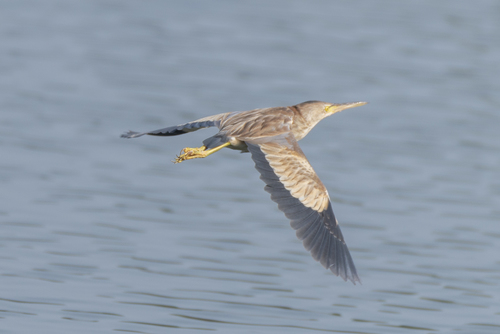 Blongios de Chine
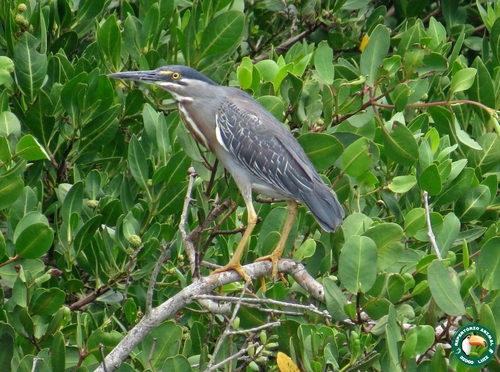 Héron strié
En bref
The most reliable field mark between Yellow Bittern and Striated Heron is the overall structure and head pattern: Yellow Bitterns are smaller, with a shorter neck and bill, and show a strong sexual dimorphism and age-related streaking, while Striated Herons are bulkier, have a blue-grey back, and both sexes look alike with a distinctive black cap and dark eye-line. Juvenile Yellow Bitterns are more boldly streaked above and below than juvenile Striated Herons, which are browner and heavily streaked below but lack the bittern's rufous tones. In flight or perched, Yellow Bitterns appear more compact and have yellow-green legs and an ivory bill, while Striated Herons are longer-legged, with short yellow legs and a darker, heavier bill. Both species can be found near water, but the Striated Heron is more likely in mangroves and coastal areas, while Yellow Bitterns prefer reedbeds and marshes.
Conseils d’identification
- Size and structure: Yellow Bittern is smaller and more compact, with a short neck and bill. Striated Heron is bulkier, with a heavier build and longer legs. Use this especially when birds are side by side or near other herons for scale.
- Bill color and shape: Yellow Bittern has an ivory bill (darker above), slender and straight; Striated Heron has a darker, heavier bill. Bill color is best seen at close range or in good light.
- Leg color: Yellow Bittern's legs are yellow-green, while Striated Heron's are short and bright yellow. Leg color is a quick check when birds are perched or wading.
- Adult male head pattern: Yellow Bittern males have a dark cap and chestnut head/neck, with dull yellow above and buff below. Striated Heron adults have a black cap, blue-grey back/wings, and a dark line from bill to under eye. The blue-grey back is diagnostic for Striated Heron adults.
- Sexual dimorphism: Yellow Bittern shows strong differences between males (chestnut, unstreaked) and females (streaked, rufous); Striated Heron sexes are alike.
- Juvenile plumage: Juvenile Yellow Bitterns are boldly streaked above and below, with rufous hindneck and upper back. Juvenile Striated Herons are browner above, heavily streaked below, but lack rufous tones and have a more uniform brown appearance. In confusion, look for rufous and bold streaks for Yellow Bittern.
- Upperwing pattern: No distinctive flight pattern is described for either, but Yellow Bittern's compact, short-tailed look contrasts with the heavier, longer Striated Heron.
- Tail: Yellow Bittern has a short black tail, often hard to see; Striated Heron's tail is not distinctive but the bird appears longer overall.
- Iris color: Yellow Bittern has yellow irises; Striated Heron's iris color is not specified but is less likely to stand out in the field.
- Habitat context: In dense reedbeds or marshes, expect Yellow Bittern; in mangroves, coastal mud, or open water edges, Striated Heron is more likely.
- Behavior: Striated Heron may be seen in the open, often motionless or stalking; Yellow Bittern is more secretive and skulking.
- Perched posture: Yellow Bittern often appears hunched and compact; Striated Heron stands taller, with a more elongated profile.
- Geographic context: If in the Americas, Striated Heron is the expected species; Yellow Bittern is Old World (Asia to Indonesia) and only a rare vagrant elsewhere.
- Seasonal variation: No seasonal plumage changes are noted for either, but be aware of juvenile/female confusion in Yellow Bittern.
- Pitfalls: Female and juvenile Yellow Bitterns can be confused with juvenile Striated Herons due to streaking; focus on rufous tones and boldness of streaks for Yellow Bittern, and blue-grey back/adult pattern for Striated Heron.
Taille
Yellow Bittern is distinctly smaller, measuring 36–38 cm in length, while Striated Heron ranges from 35–48 cm, but typically appears larger and more robust, with a wingspan of 52–60 cm. Striated Heron is also heavier (130–250 g) compared to the more delicate Yellow Bittern. In the field, Striated Heron will look stockier and longer-legged, whereas Yellow Bittern is more compact and short-necked.
Plumage
- Juvenile/immature birds: Juvenile Yellow Bitterns are boldly streaked brown above, mottled with buff, and have strong streaking on the underparts, with a rufous cast to the hindneck and upper back. Juvenile Striated Herons are browner above and heavily streaked below, but lack the rufous tones and have a more uniform brown appearance.
- Adult males: Yellow Bittern males have a dark cap, chestnut head and neck, dull yellow above, and buff below. Striated Heron adults (both sexes) have a black cap, blue-grey back and wings, white underparts (with variable grey to orangey tones), and a dark line from bill to under the eye.
- Adult females: Female Yellow Bitterns are streaked on cap, neck, and breast, with a rufous hindneck and upper back, and streaked dark red-brown and buff underparts. Striated Heron females look like males, with no sexual dimorphism.
- Bill and legs: Yellow Bittern has an ivory bill (darker above) and yellow-green legs; Striated Heron shows a darker, heavier bill and short yellow legs.
- In flight: No specific upperwing pattern is noted for either, but Yellow Bittern's compact structure and short tail contrast with Striated Heron's longer, heavier look.
Comportement
Striated Heron is often seen perched motionless at water edges, sometimes displaying unique behaviors like bill-jabbing at the nest. It is generally sedentary and may show more visible foraging in open mangroves or along shorelines. Yellow Bittern is more secretive, skulking in dense reeds and marsh vegetation, and is less likely to be seen in the open. Both species may freeze with neck outstretched when alarmed, but Striated Heron juveniles are noted for a sky-pointing threat display.
Habitat
Yellow Bittern prefers reedbeds, marshes, and dense aquatic vegetation, especially in the Old World tropics and subtropics. Striated Heron is more often found in mangroves, coastal wetlands, and along streams or rivers, especially in the Neotropics and Caribbean, but also in Old World tropics. If you find a small heron in dense reeds, Yellow Bittern is more likely; in mangroves or open muddy edges, Striated Heron is the default.