

trinta-réis-pequeno vs chami antpitta
Sternula superciliaris versus Grallaria alvarezi
Jogue um quiz com trinta-réis-pequeno e chami antpitta
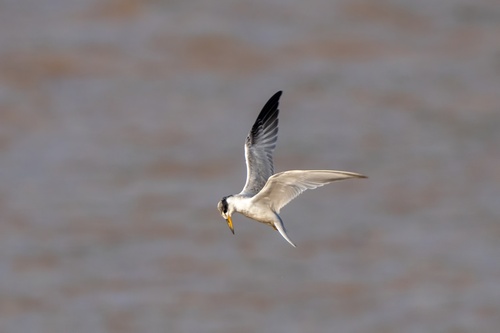 trinta-réis-pequeno
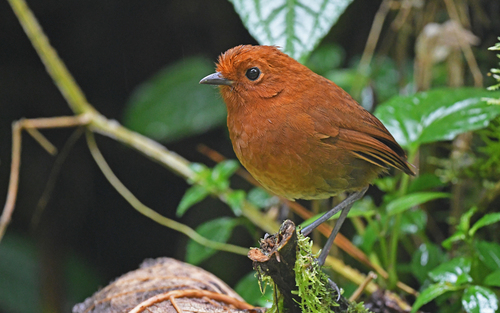 chami antpitta
Em resumo
A marca de campo mais confiável para separar essas duas espécies é a forma e a estrutura geral: o trinta-réis-pequeno é uma ave aquática esbelta, de asas longas, branca e cinza, com um bico amarelo brilhante, enquanto a chami antpitta é uma ave terrestre gorda, redonda e de cauda curta, com plumagem rica em marrom avermelhado e um bico escuro. Os trinta-réis-pequeno juvenis não têm a touca preta do adulto, mas ainda mostram uma aparência pálida e aquática, enquanto a chami antpitta de todas as idades é em tons terrosos e nunca mostra branco ou cinza. Em voo ou empoleirada, as asas pontudas do trinta-réis-pequeno e o corpo aerodinâmico contrastam fortemente com as asas atarracadas da antpitta e a postura ereta e arredondada. O habitat também é uma pista forte: o trinta-réis-pequeno é visto sobre águas abertas ou bancos de areia, a antpitta no chão da floresta.
Dicas de identificação
- Estrutura e forma são as pistas mais rápidas: o trinta-réis-pequeno é esbelto, de asas longas e pontudas, com uma cauda longa; a chami antpitta é redonda, de cauda curta e ereta. Isso funciona para todas as idades e em vistas tanto empoleiradas quanto em voo.
- Cor e forma do bico: o trinta-réis-pequeno tem um bico amarelo brilhante e esbelto; a antpitta tem um bico robusto e escuro com uma base amarelada e ponta clara. A cor do bico é visível mesmo à distância em boa luz.
- Cor das pernas: o trinta-réis-pequeno tem pés amarelos; as pernas da antpitta são azuladas. Útil se visto bem no chão.
- Contraste da plumagem: o adulto trinta-réis-pequeno é principalmente branco embaixo e cinza prateado em cima, com uma touca preta e linha ocular; a antpitta é totalmente marrom avermelhado, com um ventre mais claro e levemente escamoso e sem branco ou cinza em lugar algum.
- Confusão juvenil: o juvenil trinta-réis-pequeno é marrom e branco, sem a touca preta, mas ainda pálido e com aparência aquática; os juvenis da antpitta não são descritos, mas todas as idades são em tons terrosos e nunca mostram branco ou cinza. Se você ver uma ave marrom, de ventre pálido perto da água, considere o juvenil trinta-réis-pequeno; uma ave arredondada e ruiva uniformemente na floresta é a antpitta.
- Asas e cauda: as asas do trinta-réis-pequeno são longas e pontudas, a cauda é longa e bifurcada; as asas da antpitta são curtas e arredondadas, a cauda é muito curta e mal se estende além do corpo.
- Voo vs. empoleirada: o trinta-réis-pequeno é gracioso e leve em voo, frequentemente pairando ou planando; a antpitta raramente é vista voando, movendo-se pulando ou correndo no chão.
- Habitat: o trinta-réis-pequeno está sempre perto de água aberta, frequentemente em grupos ou colônias; a antpitta é solitária ou em pares, sempre no chão da floresta, nunca perto de água aberta.
- Vocalização: a antpitta emite trilos rápidos e canções ronronantes, principalmente ao amanhecer de poleiros baixos; o trinta-réis-pequeno (por família) emite chamadas agudas e de tom elevado, mas nenhum detalhe é dado aqui.
- Comportamento: o trinta-réis-pequeno frequentemente se empoleira em bancos de areia ou voa sobre a água; a antpitta é secreta, forrageando em litter de folhas e raramente se empoleirando em aberto.
- Distribuição geográfica: o trinta-réis-pequeno é amplamente distribuído pela América do Sul; a antpitta é endêmica da Colômbia. Se estiver fora da Colômbia, a antpitta é descartada.
- Sexo e estação: ambas as espécies têm plumagem semelhante em ambos os sexos; nenhuma variação sazonal é descrita para nenhuma delas. Isso significa que as marcas de campo são confiáveis durante todo o ano.
- Armadilhas: em luz fraca, um juvenil trinta-réis-pequeno pode parecer marrom e pode ser confundido com uma ave terrestre se visto em um banco de areia, mas sua forma e habitat ainda diferem da antpitta. A antpitta nunca é vista em habitats aquáticos abertos.
- Contexto de grupo: o trinta-réis-pequeno é frequentemente encontrado em colônias ou bandos; a antpitta é solitária ou em pares.
- Padrão da asa superior: Nenhum padrão distintivo da asa superior é descrito para nenhuma das espécies, mas as asas cinza prateado do trinta-réis-pequeno e sua forma pontuda são diferentes das asas arredondadas e escuras da antpitta.
Tamanho
O trinta-réis-pequeno é maior, medindo cerca de 23–25 cm de comprimento e pesando 40–57 g [wikipedia]. A chami antpitta é menor e muito mais compacta, com 14,5–15 cm de comprimento [wikipedia]. O trinta-réis-pequeno é esbelto e alongado, com asas e cauda longas, enquanto a antpitta é notavelmente arredondada e de cauda curta. No campo, o trinta-réis-pequeno parecerá muito mais longo e aerodinâmico, especialmente em voo, enquanto a antpitta parece atarracada e quase em forma de bola.
Plumagem
Os juvenis do trinta-réis-pequeno são marrons e brancos, sem a touca preta do adulto, mas ainda mostram uma aparência pálida e aquática com partes inferiores brancas e asas cinza prateado. Os adultos têm uma coroa, nuca e linha ocular pretas marcantes, com uma testa e parte inferior brancas, e bico e pés amarelos. Em contraste, a chami antpitta de todas as idades é quase totalmente marrom avermelhado, mais escura no peito, com um ventre mais claro e levemente escamoso. Seu vent e penas da cauda externa são apenas ligeiramente mais claras que o corpo. O bico da antpitta é escuro com uma base amarelada e ponta clara, e suas pernas são azuladas. Não há branco ou cinza na plumagem da antpitta, e não há touca preta ou linha ocular. A plumagem da antpitta é em tons terrosos e uniforme, enquanto a do trinta-réis-pequeno é nítida, de alto contraste e em grande parte branca e cinza.
Comportamento
O trinta-réis-pequeno é quase sempre visto em áreas abertas perto da água, voando, pairando ou empoleirando-se em bancos de areia, frequentemente em grupos. Ele forrageia pairando e pegando presas da superfície da água. A chami antpitta é estritamente terrestre, forrageando sozinha ou em pares no chão da floresta, pulando ou correndo, virando litter de folhas e sondando o solo em busca de invertebrados. A antpitta raramente é vista em voo e é tipicamente secreta, movendo-se baixo ao chão e empoleirando-se ereta. O trinta-réis-pequeno é ativo e conspícuo em áreas abertas, enquanto a antpitta é tímida e elusiva em densa vegetação.
Habitat
O trinta-réis-pequeno é encontrado em habitats aquáticos abertos: rios, pântanos, lagos de água doce, bancos de areia e lagoas costeiras em grande parte da América do Sul [wikipedia]. Ele raramente é encontrado longe da água. A chami antpitta é endêmica da Colômbia e restrita a habitats florestais, forrageando no chão em florestas densas. Ela nunca é encontrada em ambientes aquáticos abertos. Assim, a localização e o habitat são pistas fortes: uma pequena ave em um banco de areia ou sobre a água é quase certamente o trinta-réis-pequeno, enquanto uma ave arredondada e avermelhada no chão da floresta é a antpitta.
Voz
A chami antpitta tem um repertório vocal distinto: sua canção longa é um trilo rápido e ligeiramente descendente que dura de 2,5 a 3,5 segundos, e sua canção curta é um trilo rápido e hesitante com uma qualidade de ronronar, dado principalmente ao amanhecer de um poleiro baixo [wikipedia]. Nenhum detalhe de vocalização é fornecido para o trinta-réis-pequeno, mas os trinta-réis geralmente emitem chamadas agudas e de tom elevado, bem diferentes dos trilos da antpitta. Se você ouvir um trilo rápido ou um ronronar da vegetação, é provável que seja a antpitta; chamadas agudas e penetrantes sobre a água sugerem o trinta-réis-pequeno.