

Yellow-billed Tern vs Chami Antpitta
Sternula superciliaris contro Grallaria alvarezi
Fai un quiz con Yellow-billed Tern e Chami Antpitta
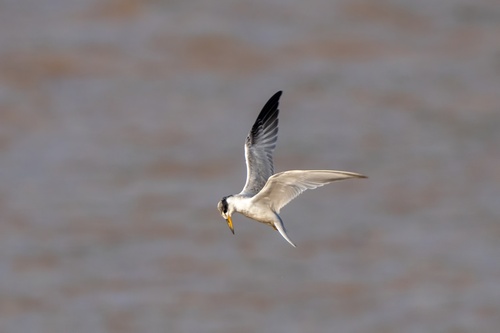 Yellow-billed Tern
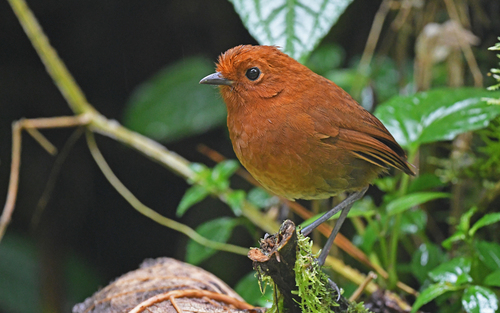 Chami Antpitta
In breve
Il segno distintivo più affidabile per separare queste due specie è la forma e la struttura complessiva: il Yellow-billed Tern è un uccello acquatico snello, con ali lunghe, bianco e grigio, e un becco giallo brillante, mentre il Chami Antpitta è un uccello terrestre paffuto, rotondo, con una coda corta, con un piumaggio marrone rossiccio ricco e un becco scuro. I giovani Yellow-billed Tern mancano del cappello nero degli adulti ma mostrano comunque un aspetto pallido e acquatico, mentre il Chami Antpitta di tutte le età è di tonalità terrose e non mostra mai bianco o grigio. In volo o posato, le ali appuntite del tern e il corpo aerodinamico contrastano nettamente con le ali tozze dell'antpitta e la sua postura eretta e rotonda. L'habitat è anche un forte indizio: il tern è visto sopra acque aperte o banchi di sabbia, l'antpitta sul suolo della foresta.
Consigli di identificazione
- La struttura e la forma sono gli indizi più rapidi: il Yellow-billed Tern è snello, con ali lunghe e appuntite e una lunga coda; il Chami Antpitta è rotondo, con una coda corta e eretta. Questo vale per tutte le età e sia in vista posata che in volo.
- Colore e forma del becco: il tern ha un becco giallo brillante e sottile; l'antpitta ha un becco robusto e scuro con una base color crema e una punta chiara. Il colore del becco è visibile anche a distanza in buona luce.
- Colore delle zampe: il tern ha piedi gialli; le zampe dell'antpitta sono bluastro-grigie. Utile se visto bene a terra.
- Contrasto del piumaggio: l'adulto tern è per lo più bianco sotto e grigio argenteo sopra con un cappello e una linea oculare neri; l'antpitta è completamente marrone rossiccio con un ventre più chiaro e leggermente squamoso e senza bianco o grigio ovunque.
- Confusione giovanile: il giovane tern è marrone e bianco, privo del cappello nero ma comunque pallido e dall'aspetto acquatico; i giovani antpitta non sono descritti, ma tutte le età sono di tonalità terrose e non mostrano mai bianco o grigio. Se vedi un uccello marrone con il ventre chiaro vicino all'acqua, considera il giovane tern; un uccello rotondo e uniformemente rossiccio nella foresta è l'antpitta.
- Ali e coda: le ali del tern sono lunghe e appuntite, la coda è lunga e biforcuta; le ali dell'antpitta sono corte e arrotondate, la coda è molto corta e si estende appena oltre il corpo.
- Volo vs. posato: il tern è grazioso e galleggiante in volo, spesso sospeso o planante; l'antpitta è raramente vista volare, si muove saltellando o correndo a terra.
- Habitat: il tern è sempre vicino ad acque aperte, spesso in gruppi o colonie; l'antpitta è solitaria o in coppie, sempre sul suolo della foresta, mai vicino ad acque aperte.
- Vocalizzazione: l'antpitta emette trilli rapidi e canti che fanno le fusa, per lo più all'alba da posatoi bassi; il tern (per famiglia) emette richiami acuti e striduli, ma qui non sono forniti dettagli.
- Comportamento: il tern spesso si posa su banchi di sabbia o vola sopra l'acqua; l'antpitta è segreta, cerca cibo nel fogliame e raramente si posa in vista.
- Gamma geografica: il tern è diffuso in tutta l'America del Sud; l'antpitta è endemica della Colombia. Se al di fuori della Colombia, l'antpitta è esclusa.
- Sesso e stagione: entrambe le specie hanno piumaggio simile in entrambi i sessi; non è descritta alcuna variazione stagionale per nessuna delle due. Questo significa che i segni sul campo sono affidabili tutto l'anno.
- Trappole: in scarsa luce, un giovane tern potrebbe apparire marrone e potrebbe essere scambiato per un uccello terrestre se visto su un banco di sabbia, ma la sua forma e habitat differiscono ancora dall'antpitta. L'antpitta non è mai vista in habitat acquatici aperti.
- Contesto di gruppo: il tern è spesso in colonie o stormi; l'antpitta è solitaria o in coppie.
- Schema dell'ala superiore: non sono descritti schemi distintivi delle ali superiori per nessuna delle due specie, ma le ali grigio argenteo del tern e la forma appuntita sono diverse dalle ali scure e arrotondate dell'antpitta.
Taglia
Il Yellow-billed Tern è più grande, misurando circa 23–25 cm di lunghezza e pesando 40–57 g [wikipedia]. Il Chami Antpitta è più piccolo e molto più compatto, con una lunghezza di 14,5–15 cm [wikipedia]. Il tern è snello ed allungato, con ali e coda lunghe, mentre l'antpitta è notevolmente rotonda e con coda corta. Sul campo, il tern apparirà molto più lungo e aerodinamico, specialmente in volo, mentre l'antpitta appare tozza e quasi a forma di palla.
Piumaggio
I giovani Yellow-billed Tern sono marroni e bianchi, privi del cappello nero degli adulti, ma mostrano comunque un aspetto pallido e acquatico con parti inferiori bianche e ali grigio argenteo. Gli adulti hanno una corona, una nuca e una linea oculare nera molto evidenti, con una fronte e un corpo sottostante bianchi, e becco e piedi gialli. Al contrario, il Chami Antpitta di tutte le età è quasi completamente marrone rossiccio, più scuro sul petto, con un ventre marrone chiaro e leggermente squamoso. Il suo vent e le piume della coda esterna sono solo leggermente più chiare del corpo. Il becco dell'antpitta è scuro con una base color crema e una punta chiara, e le sue zampe sono bluastro-grigie. Non ci sono bianco o grigio nel piumaggio dell'antpitta, e non ci sono cappelli neri o linee oculari. Il piumaggio dell'antpitta è di tonalità terrose e uniforme, mentre quello del tern è nitido, ad alto contrasto, e per lo più bianco e grigio.
Comportamento
Il Yellow-billed Tern è quasi sempre visto in aree aperte vicino all'acqua, volando, sospendendosi o posandosi su banchi di sabbia, spesso in gruppi. Cerca cibo sospendendosi e prendendo prede dalla superficie dell'acqua. Il Chami Antpitta è strettamente terrestre, cercando cibo da solo o in coppie sul suolo della foresta saltellando o correndo, ribaltando il fogliame e sondando il suolo per invertebrati. L'antpitta è raramente vista in volo ed è tipicamente segreta, muovendosi vicino al suolo e posandosi eretta. Il tern è attivo e appariscente in aree aperte, mentre l'antpitta è timida ed elusiva in densi sottoboschi.
Habitat
Il Yellow-billed Tern si trova in habitat acquatici aperti: fiumi, paludi, laghi d'acqua dolce, banchi di sabbia e lagune costiere in gran parte dell'America del Sud [wikipedia]. È raramente trovato lontano dall'acqua. Il Chami Antpitta è endemico della Colombia e limitato a habitat forestali, cercando cibo a terra in foreste dense. Non si trova mai in ambienti acquatici aperti. Pertanto, la posizione e l'habitat sono forti indizi: un piccolo uccello su un banco di sabbia o sopra l'acqua è quasi certamente il tern, mentre un uccello rotondo e rossiccio sul suolo della foresta è l'antpitta.
Voce
Il Chami Antpitta ha un repertorio vocale distintivo: il suo canto lungo è un trillo rapido e leggermente discendente che dura 2,5–3,5 secondi, e il suo canto breve è un trillo veloce e balbettante con una qualità che fa le fusa, per lo più emesso all'alba da un posatoio basso [wikipedia]. Non sono forniti dettagli sulla vocalizzazione per il Yellow-billed Tern, ma i tern di solito emettono richiami acuti e striduli, molto diversi dai trilli dell'antpitta. Se senti un trillo rapido o un suono che fa le fusa dal sottobosco, è probabile che sia l'antpitta; richiami acuti e penetranti sopra l'acqua suggeriscono il tern.
Yellow-billed Tern · Chami Antpitta · I miei uccelli difficili