

yellow-billed egret vs garça-moura-europeia
Ardea brachyrhyncha versus Ardea cinerea
Jogue um quiz com yellow-billed egret e garça-moura-europeia
 yellow-billed egret
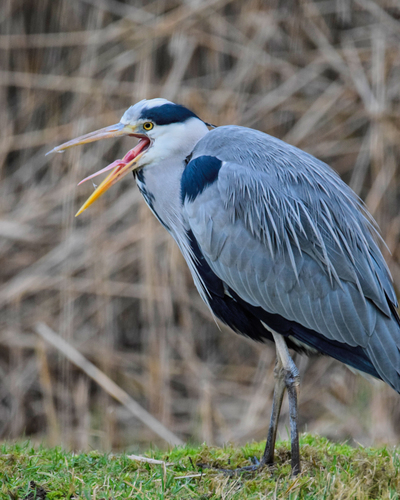 garça-moura-europeia
Em resumo
A marca de campo mais confiável para separar a yellow-billed egret da garça-moura-europeia é a cor geral: a yellow-billed egret é completamente branca em todas as idades, enquanto a garça-moura-europeia é principalmente cinza-acinzentado por cima e cinza-esbranquiçado por baixo, nunca branca pura. Em voo ou em repouso, a faixa preta ousada da cabeça da garça-moura-europeia e as partes superiores cinzas são inconfundíveis contra a plumagem totalmente branca da garça. A cor do bico também é fundamental: a yellow-billed egret tem um bico amarelo (às vezes laranja-avermelhado durante a reprodução), enquanto o bico da garça-moura-europeia é amarelo-rosado e mais pesado. O tamanho e a estrutura diferem marcadamente, com a garça-moura-europeia sendo muito maior e mais robusta. Essas diferenças se mantêm em todas as idades e estações, tornando a confusão rara, exceto em luz fraca ou a grandes distâncias.
Dicas de identificação
- A cor geral é diagnóstica: A yellow-billed egret é branca pura em todas as idades e estações; a garça-moura-europeia é sempre cinza por cima e cinza-esbranquiçada por baixo, nunca branca no geral.
- Padrão da cabeça: Os adultos da garça-moura-europeia têm um supercílios e crista pretos ousados em uma cabeça branca; a yellow-billed egret tem uma cabeça totalmente branca, sem marcas pretas ou cinzas. Os juvenis da garça-moura-europeia têm uma faixa na cabeça cinza mais apagada, mas ainda mostram contraste com a cabeça branca simples da garça.
- Cor e forma do bico: A yellow-billed egret tem um bico amarelo esguio (laranja-avermelhado durante a reprodução, às vezes com uma ponta preta fora da reprodução); o bico da garça-moura-europeia é mais pesado, amarelo-rosado e nunca laranja-avermelhado. O tamanho do bico é proporcionalmente menor na garça.
- Cor das pernas: As pernas inferiores e os dedos da yellow-billed egret são escuros, com a tíbia mais clara (rosada-avermelhada brevemente durante o cortejo, depois amarela na reprodução); as pernas da garça-moura-europeia são marrons e muito longas, sem mudança de cor sazonal tão marcante quanto a da garça.
- Tamanho e estrutura: A garça-moura-europeia é muito maior, mais alta e mais robusta, com um pescoço e pernas longos. A yellow-billed egret é de tamanho médio, mais compacta e esguia.
- Silhueta de voo: A garça-moura-europeia mostra asas largas e arredondadas com partes superiores cinzas e um pescoço longo retraído em voo; as asas da yellow-billed egret são totalmente brancas, e ela parece menor e mais ágil.
- Confusão juvenil: Mesmo os juvenis da garça-moura-europeia são cinzas por cima e carecem da aparência totalmente branca da garça. Nenhuma idade da garça-moura-europeia é branca o suficiente para ser confundida com a garça em boa luz.
- Plumas de reprodução: Durante a reprodução, a yellow-billed egret desenvolve longas plumas brancas nas costas e no peito e exibe cores brilhantes nas partes nuas (bico laranja-avermelhado, tíbia rosada-avermelhada, lore verde, olhos vermelhos); a garça-moura-europeia tem algumas penas escápulas e do pescoço alongadas, mas nunca desenvolve as plumas ornamentadas ou cores vivas das partes nuas da garça.
- Sobreposição de habitat: Ambas podem ocorrer em zonas úmidas africanas, mas a yellow-billed egret é mais provável em pântanos rasos e gramados; a garça-moura-europeia prefere águas mais profundas e é mais disseminada, incluindo costas.
- Associação com outras espécies: A yellow-billed egret frequentemente se mistura com outras garças; a garça-moura-europeia é geralmente solitária ou com conspecíficos, raramente com garças, exceto em grandes dormidas.
- Postura empoleirada: A garça-moura-europeia fica alta e ereta, muitas vezes curvada com o pescoço retraído; a yellow-billed egret é mais ereta e esguia, com um pescoço mais curto em relação ao tamanho do corpo.
- Abertura do bico em relação ao olho: A abertura da yellow-billed egret não se estende além do olho; a abertura da garça-moura-europea é mais longa, correspondendo ao seu bico mais pesado.
- Dicas contextuais: Na África, uma grande garça com costas cinzas é quase certamente uma garça-moura-europeia; uma garça de tamanho médio e totalmente branca é uma yellow-billed egret se a garça intermediária for excluída pela faixa.
- Armadilhas de plumagem: Luz fraca ou distância podem fazer a garça-moura-europea parecer mais pálida, mas vistas de perto sempre revelam partes superiores cinzas e marcas na cabeça.
- Nenhuma diferença vocal fornecida: Chamadas não são descritas nas notas, então confie nas marcas visuais.
Tamanho
A garça-moura-europeia é substancialmente maior e mais pesada que a yellow-billed egret. A garça-moura-europeia chega a medir até 100 cm de altura, com um comprimento corporal de 84–102 cm e uma envergadura de 155–195 cm, pesando de 1,02 a 2,08 kg. Em contraste, a yellow-billed egret é de tamanho médio para uma garça, com 61–69 cm de comprimento (nenhuma envergadura ou peso fornecido, mas claramente muito menor e mais leve que a garça-moura-europea). No campo, a garça-moura-europeia parece alta, com pescoço longo e robusto, enquanto a yellow-billed egret é mais esguia e compacta.
Plumagem
Em todas as idades, a yellow-billed egret é totalmente branca, sem cinza ou preto no corpo, asas ou cabeça. Na época de reprodução, ela exibe longas plumas nas costas e no peito, e seu bico se torna laranja-avermelhado, mas o corpo branco permanece inalterado. Fora da reprodução, o bico é amarelo com possível ponta preta. A garça-moura-europeia, por outro lado, nunca é branca: os adultos são cinza-acinzentados por cima e cinza-esbranquiçados por baixo, com uma cabeça e pescoço brancos marcantes, um supercílios e crista pretos largos, e listras azul-escuras no pescoço. Os juvenis da garça-moura-europeia são mais apagados, com uma faixa na cabeça cinza e rosto mais claro, mas ainda mostram partes superiores cinzas e carecem do branco puro da garça. Nenhuma idade ou estação traz a garça-moura-europeia perto da aparência totalmente branca da garça. Em voo, as asas superiores da garça-moura-europea são cinzas, enquanto as da yellow-billed egret são brancas por toda parte.
Comportamento
Ambas as espécies são frequentemente vistas em habitats úmidos e podem ocorrer sozinhas ou em bandos soltos. A yellow-billed egret pode ser gregária, às vezes em grupos de 15–20, e frequentemente se associa a outras garças. A garça-moura-europea é mais solitária ou encontrada em pequenos grupos, especialmente fora das colônias de reprodução. Ambas nidificam colonialmente, mas as colônias da garça-moura-europea ('heronries') são frequentemente maiores e mais conspícuas, às vezes incluindo outras espécies de garças. Ambas as espécies dormem em árvores ou canaviais perto da água.
Habitat
A yellow-billed egret é restrita à África Subsaariana, favorecendo zonas úmidas sazonalmente inundadas, pastagens, bordas de lagos e rios rasos, salinas e estuários. A garça-moura-europeia é muito mais disseminada, encontrada em toda a Europa, Ásia e na maior parte da África, incluindo, mas não se limitando à faixa da garça. A garça-moura-europeia utiliza uma ampla variedade de habitats úmidos, desde lagos e rios até pântanos e até áreas costeiras. Na África, suas faixas se sobrepõem, mas a garça-moura-europeia é mais provável em zonas úmidas maiores e mais profundas e locais costeiros, enquanto a yellow-billed egret prefere zonas úmidas rasas e gramadas.
yellow-billed egret · garça-moura-europeia · Minhas aves difíceis