

Motmot

アフリカチュウサギ 対 アオサギ

Ardea brachyrhyncha 対 Ardea cinerea

アフリカチュウサギとアオサギのクイズ
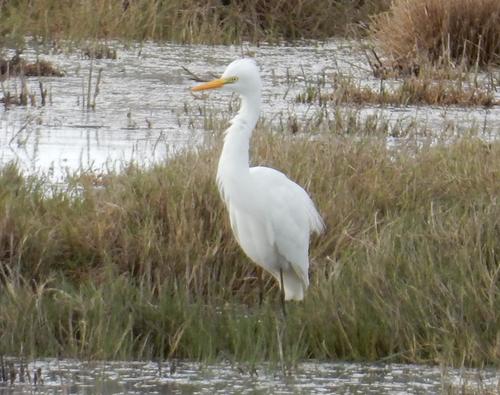
アフリカチュウサギ (Ardea brachyrhyncha) アフリカチュウサギ
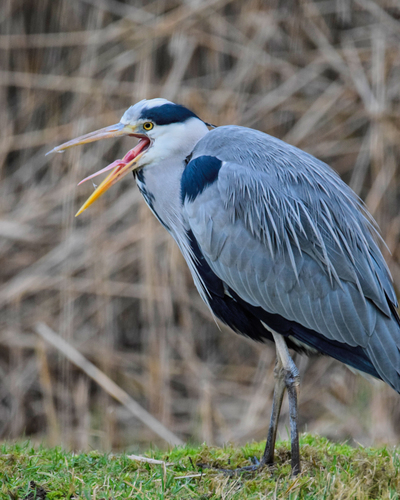
アオサギ (Ardea cinerea) アオサギ

メディア

読み込み中…

要点

アフリカチュウサギとアオサギを区別する最も信頼できるフィールドマークは全体の色です:アフリカチュウサギはすべての年齢で完全に白いのに対し、アオサギは上部が主に灰色で、下部が灰白色で、決して純白ではありません。飛んでいるときや休んでいるとき、アオサギの大胆な黒い頭のストライプと灰色の上部は、チュウサギの全白の羽毛に対して間違いなく目立ちます。くちばしの色も重要です:アフリカチュウサギは黄色(繁殖期には時々オレンジ赤)なくちばしを持ち、アオサギのくちばしはピンクがかった黄色で、より重いです。サイズと構造は著しく異なり、アオサギははるかに大きくてずんぐりしています。これらの違いはすべての年齢と季節に当てはまり、悪い光や遠距離を除いて混同は稀です。

識別のコツ

  1. Overall color is diagnostic: アフリカチュウサギはすべての年齢と季節で純白です;アオサギは常に上部が灰色で、下部が灰白色で、全体的に白ではありません。
  2. Head pattern: アオサギの成鳥は白い頭に大胆な黒い眉斑と冠を持っています;アフリカチュウサギは黒や灰色の模様がない完全に白い頭を持っています。幼鳥のアオサギは鈍い灰色の頭のストライプを持っていますが、チュウサギの無地の白い頭とのコントラストを示します。
  3. Bill color and shape: アフリカチュウサギは細長い黄色のくちばしを持っています(繁殖期にはオレンジ赤で、繁殖外では時々黒い先端があります);アオサギのくちばしは重く、ピンクがかった黄色で、決してオレンジ赤ではありません。くちばしのサイズはチュウサギでは相対的に小さいです。
  4. Leg color: アフリカチュウサギの下肢と足指は暗い色で、脛はより明るい色です(求愛中はピンクがかった赤で、繁殖期には黄色になります);アオサギの脚は茶色で非常に長く、チュウサギのような季節的な色の変化はありません。
  5. Size and structure: アオサギははるかに大きく、高く、ずんぐりしており、長い首と脚を持っています。アフリカチュウサギは中型で、よりコンパクトで細身です。
  6. Flight silhouette: アオサギは灰色の上部と飛行中に引っ込めた長い首を持つ広く丸い翼を示します;アフリカチュウサギの翼は全て白く、より小さくて機敏に見えます。
  7. Juvenile confusion: 幼鳥のアオサギでさえ上部が灰色で、チュウサギの全白の外観はありません。アオサギのどの年齢も、良い光の下でチュウサギと混同されるほど白くはありません。
  8. Breeding plumes: 繁殖期には、アフリカチュウサギは背中と胸に長い白い羽毛を生やし、明るい裸の部分の色(オレンジ赤のくちばし、ピンクがかった赤の脛、緑の目元、赤い目)を示します;アオサギは一部の長い肩羽と首の羽毛を持っていますが、チュウサギの華やかな羽毛や鮮やかな裸の部分の色を決して発達させません。
  9. Habitat overlap: 両者はアフリカの湿地に生息することがありますが、アフリカチュウサギは浅くて草の生えた湿地にいる可能性が高いです;アオサギはより深い水を好み、より広範囲に分布しています。
  10. Association with other species: アフリカチュウサギは他のチュウサギと混ざることがよくあります;アオサギは通常孤立しているか、同種の個体と一緒にいることが多く、大きな休息地を除いてチュウサギと一緒にいることは稀です。
  11. Perched posture: アオサギは高くて直立しており、首を引っ込めていることが多いです;アフリカチュウサギはより直立で細身で、体のサイズに対して首が短いです。
  12. Bill-to-eye gape: アフリカチュウサギの口は目を超えて広がりません;アオサギの口はより長く、重いくちばしに合っています。
  13. Contextual clues: アフリカでは、大きな灰色の背中のサギはほぼ確実にアオサギです;中型の全白のサギは、範囲によって中間チュウサギが除外されている場合、アフリカチュウサギです。
  14. Plumage pitfalls: 悪い光や距離によりアオサギがより淡く見えることがありますが、近くから見ると常に灰色の上部と頭の模様が明らかになります。
  15. No vocal differences provided: 鳴き声はメモに記載されていないため、視覚的なマークに頼ってください。

大きさ

アオサギはアフリカチュウサギよりもかなり大きくて重いです。アオサギは最大100 cmの高さに達し、体長は84–102 cm、翼幅は155–195 cmで、体重は1.02–2.08 kgです。それに対して、アフリカチュウサギはサギとしては中型で、体長は61–69 cmです(翼幅や体重は提供されていませんが、明らかにアオサギよりもはるかに小さくて軽いです)。フィールドでは、アオサギは高く、長い首を持ち、頑丈に見えますが、アフリカチュウサギはより細身でコンパクトです。

羽色

すべての年齢において、アフリカチュウサギは完全に白く、体、翼、または頭に灰色や黒がありません。繁殖期には、背中と胸に長い羽毛を見せ、くちばしはオレンジ赤に変わりますが、白い体は変わりません。繁殖外では、くちばしは黄色で、黒い先端がある可能性があります。対照的に、アオサギは決して白くありません:成鳥は上部が灰色で、下部が灰白色で、目立つ白い頭と首、広い黒い眉斑と冠、首には青黒い筋があります。幼鳥のアオサギは鈍く、灰色の頭のストライプと淡い顔を持っていますが、依然として灰色の上部を示し、チュウサギの純白はありません。アオサギの全白の外観に近づく年齢や季節はありません。飛行中、アオサギの上翼は灰色ですが、アフリカチュウサギの上翼は全て白です。

行動

両種は湿地生息地でよく見られ、単独または緩い群れで発生することがあります。アフリカチュウサギは群れを作ることがあり、時には15–20羽のグループで、他のチュウサギとよく一緒にいます。アオサギはより孤立しているか、小さなグループで見られ、特に繁殖コロニーの外ではそうです。両種はコロニーで巣を作りますが、アオサギのコロニー(「サギの巣」)はしばしばより大きく、目立ち、時には他のサギ種を含むこともあります。両種は水の近くの木や葦の茂みで休息します。

生息環境

アフリカチュウサギはサハラ以南のアフリカに限定され、季節的に浸水する湿地、草地、浅い湖や川の縁、塩田、河口を好みます。アオサギははるかに広範囲に分布し、ヨーロッパ、アジア、アフリカのほとんどで見られ、チュウサギの範囲を含むがそれに限定されません。アオサギは湖や川から湿地、さらには沿岸地域まで、さまざまな湿地生息地を利用します。アフリカでは、彼らの範囲は重なりますが、アオサギはより大きく、深い湿地や沿岸の場所にいる可能性が高く、アフリカチュウサギはより浅く、草の生えた湿地を好みます。

より良い説明を送る

比較と同じ項目を使ってください。文章はすぐに公開されます。

The most reliable field mark to separate Yellow-billed Egret from Grey Heron is overall color: Yellow-billed Egret is entirely white at all ages, while Grey Heron is mostly ashy-grey above and greyish-white below, never pure white. In flight or at rest, Grey Heron's bold black head stripe and grey upperparts are unmistakable against the egret's all-white plumage. Bill color is also key: Yellow-billed Egret has a yellow (sometimes orange-red in breeding) bill, while Grey Heron's bill is pinkish-yellow and heavier. Size and structure differ markedly, with Grey Heron being much larger and bulkier. These differences hold for all ages and seasons, making confusion rare except in poor light or at great distance.

  1. Overall color is diagnostic: Yellow-billed Egret is pure white at all ages and seasons; Grey Heron is always grey above and greyish-white below, never white overall.
  2. Head pattern: Grey Heron adults have a bold black supercilium and crest on a white head; Yellow-billed Egret has an entirely white head with no black or grey markings. Juvenile Grey Herons have a duller, grey head stripe but still show contrast with the egret's plain white head.
  3. Bill color and shape: Yellow-billed Egret has a slender yellow bill (orange-red in breeding, sometimes with a black tip outside breeding); Grey Heron's bill is heavier, pinkish-yellow, and never orange-red. Bill size is proportionally smaller in the egret.
  4. Leg color: Yellow-billed Egret's lower legs and toes are dusky, with paler tibia (pinkish-red briefly in courtship, then yellow in breeding); Grey Heron's legs are brown and very long, with no seasonal color change as striking as the egret's.
  5. Size and structure: Grey Heron is much larger, taller, and bulkier, with a long neck and legs. Yellow-billed Egret is medium-sized, more compact and slender.
  6. Flight silhouette: Grey Heron shows broad, rounded wings with grey upperparts and a long neck retracted in flight; Yellow-billed Egret's wings are all white, and it appears smaller and more agile.
  7. Juvenile confusion: Even juvenile Grey Herons are grey above and lack the egret's all-white look. No age of Grey Heron is ever white enough to be confused with the egret in good light.
  8. Breeding plumes: In breeding, Yellow-billed Egret grows long white plumes on back and breast and shows bright bare part colors (orange-red bill, pinkish-red tibia, green lores, red eyes); Grey Heron has some elongated scapular and neck feathers but never develops the egret's ornate plumes or vivid bare part colors.
  9. Habitat overlap: Both can occur in African wetlands, but Yellow-billed Egret is more likely in shallow, grassy marshes; Grey Heron prefers deeper water and is more widespread, including coasts.
  10. Association with other species: Yellow-billed Egret often mixes with other egrets; Grey Heron is usually solitary or with conspecifics, rarely with egrets except at large roosts.
  11. Perched posture: Grey Heron stands tall and upright, often hunched with neck retracted; Yellow-billed Egret is more upright and slender, with a shorter neck relative to body size.
  12. Bill-to-eye gape: Yellow-billed Egret's gape does not extend beyond the eye; Grey Heron's gape is longer, matching its heavier bill.
  13. Contextual clues: In Africa, a large, grey-backed heron is almost certainly Grey Heron; a medium-sized, all-white heron is Yellow-billed Egret if Intermediate Egret is excluded by range.
  14. Plumage pitfalls: Poor light or distance may make Grey Heron look paler, but close views always reveal grey upperparts and head markings.
  15. No vocal differences provided: Calls are not described in the notes, so rely on visual marks.

Grey Heron is substantially larger and heavier than Yellow-billed Egret. Grey Heron stands up to 100 cm tall, with a body length of 84–102 cm and a wingspan of 155–195 cm, weighing 1.02–2.08 kg. In contrast, Yellow-billed Egret is medium-sized for a heron, at 61–69 cm in length (no wingspan or weight provided, but clearly much smaller and lighter than Grey Heron). In the field, Grey Heron appears tall, long-necked, and robust, while Yellow-billed Egret is more slender and compact.

At all ages, Yellow-billed Egret is entirely white, lacking any grey or black on the body, wings, or head. In breeding season, it shows long plumes on back and breast, and its bill turns orange-red, but the white body remains unchanged. Outside breeding, the bill is yellow with possible black tip. Grey Heron, by contrast, is never white: adults are ashy-grey above and greyish-white below, with a striking white head and neck, a broad black supercilium and crest, and bluish-black streaks on the neck. Juvenile Grey Herons are duller, with a grey head stripe and paler face, but still show grey upperparts and lack the pure white of the egret. No age or season brings the Grey Heron close to the egret's all-white appearance. In flight, Grey Heron's upperwings are grey, while Yellow-billed Egret's are white throughout.

Both species are often seen in wetland habitats and may occur singly or in loose flocks. Yellow-billed Egret can be gregarious, sometimes in groups of 15–20, and often associates with other egrets. Grey Heron is more solitary or found in small groups, especially outside breeding colonies. Both nest colonially, but Grey Heron colonies ('heronries') are often larger and more conspicuous, sometimes including other heron species. Both species roost in trees or reedbeds near water.

Yellow-billed Egret is restricted to Sub-Saharan Africa, favoring seasonally inundated wetlands, grasslands, shallow lake and river edges, salt pans, and estuaries. Grey Heron is much more widespread, found throughout Europe, Asia, and most of Africa, including but not limited to the egret's range. Grey Heron uses a wide array of wetland habitats, from lakes and rivers to marshes and even coastal areas. In Africa, their ranges overlap, but Grey Heron is more likely in larger, deeper wetlands and coastal sites, while Yellow-billed Egret prefers shallower, grassy wetlands.

変更を破棄しますか?

保存していない編集があります。今離れると失われます。

アフリカチュウサギ · アオサギ · 苦手な鳥