

yellow-bellied warbler vs manchurian bush warbler
Abroscopus superciliaris versus Horornis canturians
Jogue um quiz com yellow-bellied warbler e manchurian bush warbler
 yellow-bellied warbler
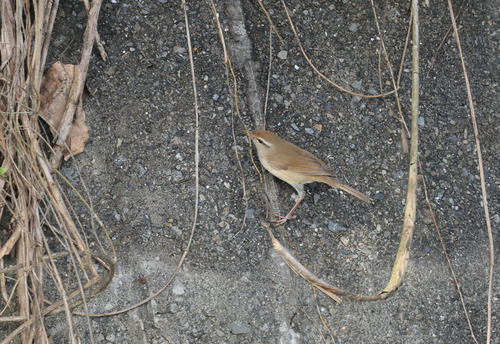 manchurian bush warbler
Em resumo
A marca de campo mais confiável entre yellow-bellied warbler e manchurian bush warbler é a cor das partes inferiores: yellow-bellied warbler tem partes inferiores distintamente amarelas, enquanto manchurian bush warbler apresenta flancos e coberturas de cauda mais escuros e com sufusão de buff. Ambas as espécies têm um supercílio pálido, mas manchurian bush warbler é geralmente mais ruivo, especialmente na coroa, e tem uma constituição mais esbelta. Se você ver um pássaro com uma barriga amarela brilhante, é yellow-bellied; se as partes inferiores forem de cor buff ou lavadas com marrom e a coroa for ruiva, é manchurian. Diferenças de estrutura e plumagem sutis são importantes em vistas mais apagadas ou contraluz.
Dicas de identificação
- A cor das partes inferiores é fundamental: Yellow-bellied warbler apresenta partes inferiores amarelas brilhantes em todas as plumagens; manchurian bush warbler tem partes inferiores com uma sufusão de buff escuro, especialmente nos flancos e coberturas de cauda. Esta é a marca de campo mais confiável na maioria das vistas.
- Cor da coroa: Manchurian bush warbler tem uma coroa rufo (marrom-avermelhada), que está ausente em yellow-bellied warbler. Procure por isso em boa luz ou quando o pássaro estiver empoleirado.
- Tom geral: Manchurian bush warbler é geralmente mais ruivo ou acastanhado acima, enquanto yellow-bellied warbler é menos e parece mais brilhante devido às suas partes inferiores amarelas.
- Supercílio pálido: Ambas as espécies têm um supercílio pálido, então essa característica sozinha não as separa. No entanto, em manchurian bush warbler, o supercílio pode contrastar mais com a coroa ruiva.
- Estrutura: Manchurian bush warbler é descrito como mais esbelto do que warblers de arbusto semelhantes. Yellow-bellied warbler também é pequeno e delicado, mas a estrutura é sutil e deve ser usada em combinação com a plumagem.
- Coberturas de cauda: Manchurian bush warbler tem coberturas de cauda de cor buff, enquanto as de yellow-bellied warbler são amarelas. Verifique esta área se a barriga estiver obscura.
- Cor dos flancos: A sufusão de buff nos flancos de manchurian bush warbler é um bom separador dos flancos amarelos limpos de yellow-bellied warbler.
- Habitat e distribuição: Se você estiver no nordeste da China, manchurian bush warbler é possível; em outras partes do Sul ou Sudeste Asiático, yellow-bellied warbler é muito mais provável. Sempre confirme com a plumagem.
- Sem padrões de asas distintos: Nenhuma das espécies tem um padrão de asa juvenil ou imaturo único útil para separação em voo.
- Sem dimorfismo sexual forte: Ambas as espécies não são descritas como sexualmente dimórficas nestas notas, então use as mesmas marcas para todos os indivíduos.
- Sem diferenças de canto ou chamada fornecidas: Não confie na voz para separação com base nas informações atuais.
- Cuidado com vistas contraluz ou sombreadas: Em luz fraca, ambas podem parecer apagadas; concentre-se na cauda e nos flancos para pistas de cor.
- Empoleirado vs. em movimento: Ambas as espécies se escondem em vegetação densa, então pode ser necessário paciência para ver as marcas-chave.
- Confusão com outros warblers de arbusto: Manchurian bush warbler às vezes é confundido com japanese ou broad-billed warbler, mas em comparação com yellow-bellied, os tons ruivos e de buff são os mais importantes.
- Pássaros juvenis/imaturos: Nenhuma marca juvenil específica é descrita, então use as mesmas diferenças de cor das partes inferiores e da coroa para todas as idades.
Tamanho
Yellow-bellied warbler é muito pequeno, com uma massa corporal de cerca de 6,5 gramas [wikidata]. Manchurian bush warbler é descrito como menor e mais esbelto do que broad-billed warbler, mas nenhum dado de massa direto está disponível para comparação. Ambas são pequenos warblers de arbusto, mas yellow-bellied é provavelmente na extremidade mais leve do espectro. No campo, o tamanho sozinho não é um separador confiável entre os dois.
Plumagem
Nenhuma marca de padrão de asa ou voo específica para idade é descrita para qualquer uma das espécies. Para todas as idades, concentre-se nas partes inferiores e na cor da coroa: yellow-bellied warbler sempre apresenta partes inferiores amarelas brilhantes, enquanto manchurian bush warbler tem partes inferiores com uma sufusão de buff escuro nos flancos e coberturas de cauda. Manchurian bush warbler também tem uma coroa mais ruiva e geralmente tons mais rufo no geral. Ambas têm um supercílio pálido, mas não é exclusivo de nenhuma delas. Se você ver um pássaro com uma barriga amarela, é yellow-bellied; se as partes inferiores forem de cor buff ou lavadas com marrom e a coroa for ruiva, é manchurian. Nenhum padrão de asa superior juvenil ou imaturo distinto é relatado para qualquer uma das espécies.
Comportamento
Ambas as espécies são warblers de arbusto da família Cettiidae e provavelmente compartilham hábitos semelhantes de se esconder em vegetação baixa. Nenhuma diferença comportamental é descrita nas notas disponíveis, então o comportamento não é um separador confiável.
Habitat
Yellow-bellied warbler é amplamente distribuído pelo Sul e Sudeste Asiático, incluindo as encostas do Himalaia e as planícies do Sudeste Asiático. Manchurian bush warbler é restrito ao nordeste da China e se reproduz lá. Se você estiver fora do nordeste da China, especialmente no Himalaia ou no Sudeste Asiático, é muito mais provável que encontre yellow-bellied warbler. No entanto, a sobreposição de habitat é possível em algumas zonas migratórias ou de borda, então sempre confirme com a plumagem.
yellow-bellied warbler · manchurian bush warbler · Minhas aves difíceis