

Yellow-bellied Warbler vs Manchurian Bush Warbler
Abroscopus superciliaris contro Horornis canturians
Fai un quiz con Yellow-bellied Warbler e Manchurian Bush Warbler
 Yellow-bellied Warbler
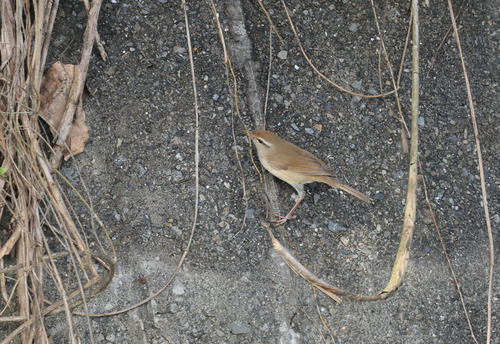 Manchurian Bush Warbler
In breve
Il segno di campo più affidabile tra il Yellow-bellied Warbler e il Manchurian Bush Warbler è il colore delle parti inferiori: il Yellow-bellied Warbler ha parti inferiori di un giallo distintivo, mentre il Manchurian Bush Warbler mostra fianchi e copritail di un buff più scuro. Entrambe le specie hanno un supercilio pallido, ma il Manchurian Bush Warbler è complessivamente più rufoso, specialmente sulla corona, e ha una struttura più snella. Se vedi un uccello con una pancia gialla brillante, è un Yellow-bellied; se le parti inferiori sono di un buffo o lavate di marrone e la corona è rufosa, è un Manchurian. Le differenze di struttura e piumaggio sottili sono importanti in viste più opache o retroilluminate.
Consigli di identificazione
- Il colore delle parti inferiori è fondamentale: Il Yellow-bellied Warbler mostra parti inferiori gialle brillanti in tutti i piumaggi; il Manchurian Bush Warbler ha parti inferiori con una sfumatura di buffo scuro, specialmente sui fianchi e sui copritail. Questo è il segno di campo più affidabile nella maggior parte delle viste.
- Colore della corona: Il Manchurian Bush Warbler ha una corona rufescente (marrone-rossiccia), che è assente nel Yellow-bellied Warbler. Cerca questo in buona luce o quando l'uccello è posato.
- Tono generale: Il Manchurian Bush Warbler è generalmente più rufoso o marrone sopra, mentre il Yellow-bellied Warbler è meno così e appare più luminoso a causa delle sue parti inferiori gialle.
- Supercilio pallido: Entrambe le specie hanno un supercilio pallido, quindi questa caratteristica da sola non le separa. Tuttavia, nel Manchurian Bush Warbler, il supercilio può contrastare di più con la corona rufosa.
- Struttura: Il Manchurian Bush Warbler è descritto come più snello rispetto a simili warbler di cespuglio. Anche il Yellow-bellied Warbler è piccolo e delicato, ma la struttura è sottile e meglio utilizzata in combinazione con il piumaggio.
- Copritail: Il Manchurian Bush Warbler ha copritail di un buffo, mentre quelli del Yellow-bellied Warbler sono gialli. Controlla quest'area se la pancia è oscurata.
- Colore dei fianchi: La sfumatura di buffo sui fianchi del Manchurian Bush Warbler è un buon separatore dai fianchi gialli puliti del Yellow-bellied Warbler.
- Habitat e distribuzione: Se ti trovi nel nord-est della Cina, il Manchurian Bush Warbler è possibile; altrove nel sud o nel sud-est asiatico, il Yellow-bellied Warbler è molto più probabile. Conferma sempre con il piumaggio.
- Nessun modello distintivo delle ali: Nessuna delle due specie ha un modello di ali giovanile o immaturo unico utile per la separazione in volo.
- Nessun forte dimorfismo sessuale: Entrambe le specie non sono descritte come sessualmente dimorfiche in queste note, quindi usa gli stessi segni per tutti gli individui.
- Nessuna differenza di canto o richiamo fornita: Non fare affidamento sulla voce per la separazione basata sulle informazioni attuali.
- Attenzione a viste retroilluminate o in ombra: In scarsa luce, entrambe possono apparire opache; concentrati sulle parti inferiori e sui fianchi per indizi di colore.
- Posato vs. in movimento: Entrambe le specie si nascondono in vegetazione densa, quindi potrebbe essere necessaria pazienza per vedere i segni chiave.
- Confusione con altri warbler di cespuglio: Il Manchurian Bush Warbler è talvolta confuso con il Japanese o il Broad-billed Warbler, ma rispetto al Yellow-bellied, i toni rufosi e buffi sono i più importanti.
- Uccelli giovanili/immaturi: Non sono descritti segni giovanili specifici, quindi usa le stesse differenze di colore delle parti inferiori e della corona per tutte le età.
Taglia
Il Yellow-bellied Warbler è molto piccolo, con una massa corporea di circa 6,5 grammi [wikidata]. Il Manchurian Bush Warbler è descritto come più piccolo e più snello del Broad-billed Warbler, ma non sono disponibili dati diretti sulla massa per il confronto. Entrambi sono piccoli warbler di cespuglio, ma il Yellow-bellied è probabilmente all'estremità più leggera dello spettro. Sul campo, la dimensione da sola non è un separatore affidabile tra questi due.
Piumaggio
Non sono descritti segni specifici delle ali o modelli di volo per età per nessuna delle due specie. Per tutte le età, concentrati sul colore delle parti inferiori e della corona: il Yellow-bellied Warbler mostra sempre parti inferiori gialle brillanti, mentre il Manchurian Bush Warbler ha parti inferiori con una sfumatura di buffo scuro sui fianchi e sui copritail. Il Manchurian Bush Warbler ha anche una corona più rufosa e generalmente toni più rufescenti nel complesso. Entrambi hanno un supercilio pallido, ma non è unico per nessuno dei due. Se vedi un uccello con una pancia gialla, è un Yellow-bellied; se le parti inferiori sono di un buffo o lavate di marrone e la corona è rufosa, è un Manchurian. Non sono riportati modelli distintivi delle ali superiori giovanili o immaturi per nessuna delle due specie.
Comportamento
Entrambe le specie sono warbler di cespuglio nella famiglia Cettiidae e probabilmente condividono abitudini simili di nascondersi in vegetazione bassa. Non sono descritte differenze comportamentali nelle note disponibili, quindi il comportamento non è un separatore affidabile.
Habitat
Il Yellow-bellied Warbler è diffuso in tutto il sud e il sud-est asiatico, comprese le pendici himalayane e le pianure del sud-est asiatico. Il Manchurian Bush Warbler è ristretto al nord-est della Cina e vi nidifica. Se ti trovi al di fuori del nord-est della Cina, specialmente nell'Himalaya o nel sud-est asiatico, è molto più probabile che tu incontri il Yellow-bellied Warbler. Tuttavia, è possibile una sovrapposizione dell'habitat in alcune zone migratorie o di confine, quindi conferma sempre con il piumaggio.
Yellow-bellied Warbler · Manchurian Bush Warbler · I miei uccelli difficili