

worm-eating warbler vs mariquita-d'asa-amarela
Helmitheros vermivorum versus Vermivora chrysoptera
Jogue um quiz com worm-eating warbler e mariquita-d'asa-amarela
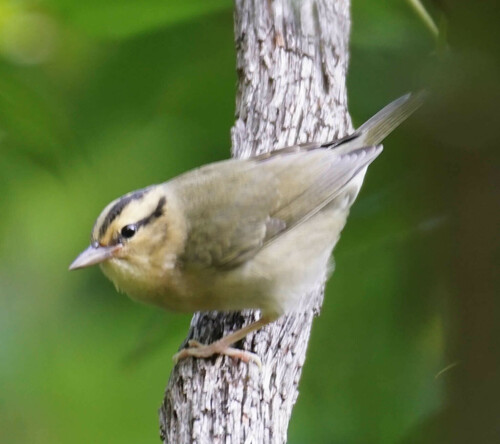 worm-eating warbler
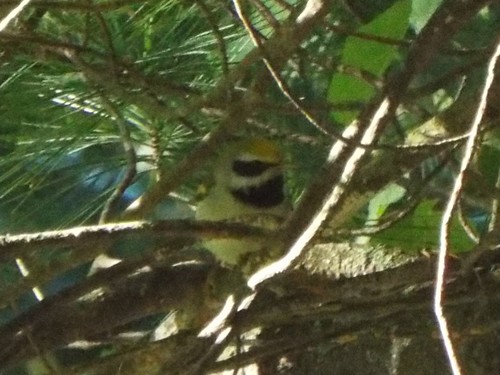 mariquita-d'asa-amarela
Em resumo
A maneira mais confiável de separar o worm-eating warbler da mariquita-d'asa-amarela é pelo padrão da cabeça e das asas: o worm-eating warbler apresenta listras pretas e buff ousadas na coroa e é de um marrom-oliva simples acima, enquanto a mariquita-d'asa-amarela tem uma coroa amarela marcante, máscara e garganta pretas (macho) e uma mancha de asa amarela brilhante. Os juvenis de worm-eating warblers podem mostrar barras de asa canela, mas a mariquita-d'asa-amarela de todas as idades tem um painel de asa amarelo e branco na cauda. A estrutura é semelhante, mas o worm-eating é ligeiramente mais pesado e tem pernas rosas. O habitat e a distribuição se sobrepõem nos Apalaches, mas a mariquita-d'asa-amarela prefere áreas mais abertas e arbustivas. A voz e o comportamento podem ajudar, mas a plumagem—especialmente o padrão da cabeça e das asas—permanece a marca de campo mais prática.
Dicas de identificação
- Padrão da cabeça (todas as idades): O worm-eating warbler apresenta listras pretas e buff ousadas na coroa, que vão do bico até a nuca, com um rosto simples. A mariquita-d'asa-amarela tem uma coroa amarela e uma máscara e garganta pretas (macho) ou cinzas (fêmea), com uma borda branca ou pálida—nunca listras na coroa.
- Padrão da asa (juvenil/imaturo): Os juvenis de worm-eating warblers podem mostrar barras de asa canela, mas nunca uma mancha de asa amarela. A mariquita-d'asa-amarela de todas as idades tem uma mancha de asa amarela brilhante, não barras.
- Padrão da cauda (todas as idades): A mariquita-d'asa-amarela tem uma extensa área branca na cauda, especialmente visível de baixo durante o voo ou quando aberta. A cauda do worm-eating warbler é marrom simples, sem branco.
- Cor das partes superiores: O worm-eating é marrom-oliva acima e buff embaixo, com pouco contraste. A mariquita-d'asa-amarela é cinza acima, branca embaixo, com uma coroa e mancha de asa amarelas.
- Partes inferiores: O worm-eating é uniformemente pálido embaixo; a mariquita-d'asa-amarela é branca ou acinzentada, com um contraste acentuado em relação ao dorso mais escuro.
- Bico e pernas: O worm-eating warbler tem um bico fino e pontudo e pernas rosas, que podem ser uma marca sutil, mas útil, se vistas bem. O bico da mariquita-d'asa-amarela também é esbelto, mas as pernas não são notadas como rosas.
- Diferenças sexuais: O worm-eating é sexualmente monomórfico em plumagem; os machos da mariquita-d'asa-amarela têm uma máscara e garganta pretas, as fêmeas têm uma máscara cinza e garganta pálida.
- Padrão da cabeça juvenil: As listras da cabeça do juvenil worm-eating warbler são mais escuras e menos nítidas do que as dos adultos, mas ainda estão presentes. Os juvenis da mariquita-d'asa-amarela não têm listras na coroa e têm uma coroa amarela e máscara cinza.
- Visões de voo: Procure por manchas brancas na cauda e painel de asa amarela na mariquita-d'asa-amarela; o worm-eating é simples em voo, exceto por possíveis barras de asa canela em juvenis.
- Comportamento: O worm-eating warbler se arrasta ao longo dos galhos e investiga folhas mortas, muitas vezes baixo ou em sub-bosques densos. A mariquita-d'asa-amarela é mais ativa e acrobática, forrageando em arbustos abertos ou mais alto na copa.
- Habitat: O worm-eating prefere florestas maduras com camada densa de arbustos; a mariquita-d'asa-amarela é encontrada em áreas abertas e arbustivas, florestas jovens ou bordas de wetlands.
- Canto: O canto do worm-eating é um trinado curto e agudo; o da mariquita-d'asa-amarela é um trinado mais longo e zumbidor. Use com cautela, pois ambos podem emitir chamados agudos.
- Distribuição/contexto: Nos Apalaches, ambos podem ocorrer juntos, mas a mariquita-d'asa-amarela é rara e local, frequentemente em habitats abertos ou em regeneração; o worm-eating é mais amplamente distribuído em florestas maduras.
- Tamanho: O worm-eating é ligeiramente mais pesado e longo, mas isso raramente é aparente em campo.
- Armadilhas: Não confie na 'monotonia' geral—o juvenil da mariquita-d'asa-amarela pode parecer opaco, mas sempre procure pela coroa amarela e mancha de asa. As barras de asa canela indicam um juvenil de worm-eating, não da mariquita-d'asa-amarela.
Tamanho
O worm-eating warbler é ligeiramente maior e mais pesado, com uma média de 11,8–17,4 g, em comparação com os 8–10 g da mariquita-d'asa-amarela [wikidata]. Ambos são pequenos warblers, mas o worm-eating parece um pouco mais robusto. O comprimento é semelhante: o worm-eating tem uma média de cerca de 13 cm, a mariquita-d'asa-amarela cerca de 11,6 cm. Em campo, essa diferença de tamanho é sutil e raramente diagnóstica, a menos que ambas as espécies estejam lado a lado.
Plumagem
- Pássaros juvenis/imaturos: Os juvenis de worm-eating warblers têm listras de cabeça mais escuras e menos nítidas e podem mostrar barras de asa canela, uma característica ausente na mariquita-d'asa-amarela. Os juvenis da mariquita-d'asa-amarela se assemelham às fêmeas adultas, com uma coroa e mancha de asa amarelas, partes superiores acinzentadas e partes inferiores brancas, mas carecem da forte máscara e garganta pretas dos machos adultos.
- Adultos: O worm-eating warbler é em geral simples, marrom-oliva acima e buff embaixo, com listras pretas e buff ousadas na coroa (não no rosto). Os adultos da mariquita-d'asa-amarela têm uma coroa amarela brilhante, uma mancha de asa amarela e uma máscara e garganta pretas ousadas (macho) ou máscara e garganta cinzas (fêmea), com partes superiores cinzas contrastantes e partes inferiores brancas. Ambos os sexos da mariquita-d'asa-amarela mostram extensa área branca na cauda, especialmente visível de baixo, que o worm-eating warbler não possui. O bico do worm-eating é fino e pontudo, pernas rosas; o bico da mariquita-d'asa-amarela também é esbelto, mas as pernas não são notadas como rosas.
- Em voo: As manchas brancas na cauda e o painel de asa amarela da mariquita-d'asa-amarela são visíveis; o worm-eating warbler é mais simples, sem um padrão forte de asa ou cauda em voo, exceto por possíveis barras de asa canela em juvenis.
Comportamento
Ambas as espécies forrageiam em vegetação densa, mas o worm-eating warbler é mais frequentemente visto se arrastando ao longo dos galhos ou investigando folhas mortas, muitas vezes perto do chão ou no sub-bosque. A mariquita-d'asa-amarela é mais ativa e acrobática, forrageando em arbustos abertos, mato ou borda da floresta, e pode ser vista mais alta na copa. Ambas podem ser secretivas, mas o worm-eating é especialmente furtivo e raramente se aventura em espaços abertos.
Habitat
O worm-eating warbler se reproduz em florestas maduras de madeira dura, especialmente em encostas íngremes ou em sub-bosques arbustivos densos, e inverna tanto em matas quanto em florestas úmidas nos trópicos. A mariquita-d'asa-amarela se reproduz em habitats abertos e arbustivos, bordas de florestas e wetlands, frequentemente perto de florestas jovens ou clareiras arbustivas. Nos Apalaches, ambos podem ocorrer próximos, mas a mariquita-d'asa-amarela é mais provável em áreas abertas e em regeneração, enquanto o worm-eating prefere florestas mais densas e antigas com sub-bosque espesso.
Voz
O worm-eating warbler emite um trinado curto e agudo como seu canto, e um chamado agudo ou 'tseet'. O canto da mariquita-d'asa-amarela é um trinado variável e zumbidor ('bzzzzzzz buzz buzz buzz'), e seu chamado é um chip zumbidor ou 'zip'. O canto da mariquita-d'asa-amarela é mais longo e mais complexo, com uma qualidade zumbidora distinta, enquanto o do worm-eating é mais curto, mais alto e menos variável. Os chamados podem ser semelhantes e nem sempre são diagnósticos.
worm-eating warbler · mariquita-d'asa-amarela · Minhas aves difíceis