

Motmot

フタスジアメリカムシクイ 対 キンバネアメリカムシクイ

Helmitheros vermivorum 対 Vermivora chrysoptera

フタスジアメリカムシクイとキンバネアメリカムシクイのクイズ
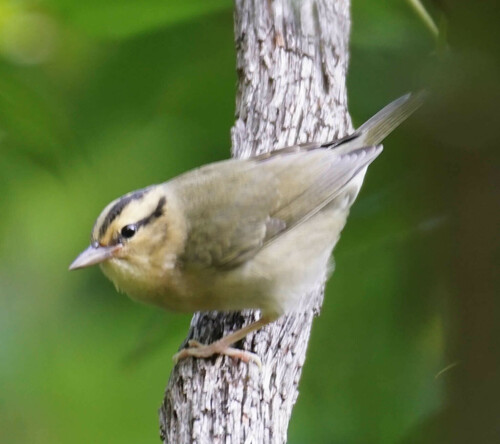
フタスジアメリカムシクイ (Helmitheros vermivorum) フタスジアメリカムシクイ
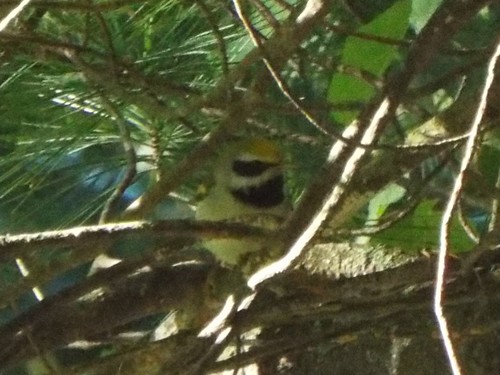
キンバネアメリカムシクイ (Vermivora chrysoptera) キンバネアメリカムシクイ

メディア

読み込み中…

要点

フタスジアメリカムシクイとキンバネアメリカムシクイを区別する最も信頼できる方法は、頭部と翼の模様によるものです:フタスジアメリカムシクイは、頭頂に太い黒とバフのストライプを示し、上面は平坦なオリーブブラウンです。一方、キンバネアメリカムシクイは、目を引く黄色の頭、黒いマスクと喉(オス)、明るい黄色の翼の斑点を持っています。幼鳥のフタスジアメリカムシクイはシナモン色の翼帯を示すことがありますが、すべての年齢のキンバネアメリカムシクイは黄色の翼のパネルと尾に白があります。体の構造は似ていますが、フタスジアメリカムシクイはやや重く、脚はピンクです。生息地と分布はアパラチア山脈で重なりますが、キンバネアメリカムシクイはより開けた茂みの多い場所を好みます。声と行動も役立ちますが、羽毛、特に頭部と翼の模様が最も実用的なフィールドマークです。

識別のコツ

  1. Head pattern (all ages): フタスジアメリカムシクイは、くちばしからうなじまでの間に太い黒とバフのストライプを示し、顔は平坦です。キンバネアメリカムシクイは、黄色の頭と黒(オス)または灰色(メス)のマスクと喉を持ち、白または淡い境界線があります—決して頭頂のストライプはありません。
  2. Wing pattern (juvenile/immature): 幼鳥のフタスジアメリカムシクイはシナモン色の翼帯を示すことがありますが、黄色の翼の斑点はありません。すべての年齢のキンバネアメリカムシクイは明るい黄色の翼の斑点を持ち、帯はありません。
  3. Tail pattern (all ages): キンバネアメリカムシクイは尾に広範囲の白を持ち、特に飛行中や扇状に広げた時に下から見えます。フタスジアメリカムシクイの尾は平坦な茶色で、白はありません。
  4. Upperparts color: フタスジアメリカムシクイは上面がオリーブブラウンで、下面はバフ色で、コントラストはほとんどありません。キンバネアメリカムシクイは上面が灰色、下面が白で、黄色の頭と翼の斑点があります。
  5. Underparts: フタスジアメリカムシクイは下面が均一に淡いです;キンバネアメリカムシクイは白または灰色がかっており、暗い背中とのコントラストがはっきりしています。
  6. Bill and legs: フタスジアメリカムシクイは細く尖ったくちばしとピンクの脚を持ち、よく見れば微妙ですが役立つマークになります。キンバネアメリカムシクイのくちばしも細いですが、脚はピンクとは記載されていません。
  7. Sex differences: フタスジアメリカムシクイは羽毛において性別による形態的差異がありません;キンバネアメリカムシクイのオスは黒いマスクと喉を持ち、メスは灰色のマスクと淡い喉を持っています。
  8. Juvenile head pattern: 幼鳥のフタスジアメリカムシクイの頭のストライプは大人よりも暗く、鮮明さが欠けていますが、まだ存在します。キンバネアメリカムシクイの幼鳥は頭頂のストライプがなく、黄色の頭と灰色のマスクを持っています。
  9. Flight views: キンバネアメリカムシクイでは白い尾の斑点と黄色の翼のパネルを探してください;フタスジアメリカムシクイは飛行中は平坦で、幼鳥のシナモン色の翼帯を除いて強い翼や尾の模様はありません。
  10. Behavior: フタスジアメリカムシクイは枝を這い回ったり、枯れ葉を探ったりすることが多く、しばしば低い位置や密な下層で見られます。キンバネアメリカムシクイはより活発でアクロバティックで、開けた茂みや高い樹冠で採餌します。
  11. Habitat: フタスジアメリカムシクイは密な低木層のある成熟した森林を好みます;キンバネアメリカムシクイは開けた茂みの多い場所、若い森林、または湿地の縁に見られます。
  12. Song: フタスジアメリカムシクイの歌は短く高いトリルです;キンバネアメリカムシクイの歌は長く、ブズブズとしたトリルです。両者は鋭いチップコールを出すことがあるため、注意して使用してください。
  13. Range/context: アパラチア山脈では、両者が一緒に出現することがありますが、キンバネアメリカムシクイは稀で局所的で、しばしば開けた再生中の生息地にいます;フタスジアメリカムシクイは成熟した森林に広く分布しています。
  14. Size: フタスジアメリカムシクイはやや重く、長いですが、これはフィールドではあまり明らかではありません。
  15. Pitfalls: 全体的な「地味さ」に頼らないでください—幼鳥のキンバネアメリカムシクイは鈍く見えることがありますが、常に黄色の頭と翼の斑点を探してください。シナモン色の翼帯は幼鳥のフタスジアメリカムシクイを示し、キンバネアメリカムシクイではありません。

大きさ

フタスジアメリカムシクイはやや大きく、重く、平均11.8–17.4 gで、キンバネアメリカムシクイは8–10 gです [wikidata]。両者は小型のムシクイですが、フタスジアメリカムシクイは少し頑丈に見えます。長さは似ています:フタスジアメリカムシクイは平均約13 cm、キンバネアメリカムシクイは約11.6 cmです。フィールドでは、このサイズの違いは微妙で、両種が並んでいない限り、診断的ではありません。

羽色

行動

両種は密な植生の中で採餌しますが、フタスジアメリカムシクイは枝を這い回ったり、枯れ葉を探ったりすることが多く、しばしば地面近くや下層で見られます。キンバネアメリカムシクイはより活発でアクロバティックで、開けた茂みや森林の縁で採餌し、高い樹冠で見られることもあります。両者は秘密主義的ですが、フタスジアメリカムシクイは特に隠れがちで、開けた場所に出ることはほとんどありません。

生息環境

フタスジアメリカムシクイは成熟した広葉樹の森林で繁殖し、特に急な斜面や密な低木の下層で見られ、熱帯では茂みや湿った森林で越冬します。キンバネアメリカムシクイは開けた茂みの多い生息地、森林の縁、湿地で繁殖し、しばしば若い森林や低木の開けた場所の近くに見られます。アパラチア山脈では、両者が近接して出現することがありますが、キンバネアメリカムシクイは開けた再生中の場所にいる可能性が高く、フタスジアメリカムシクイは密な古い森林を好みます。

声

フタスジアメリカムシクイは短く高音のトリルを歌い、鋭いチップまたは「ツィート」コールを出します。キンバネアメリカムシクイの歌は変化に富んだブズブズとしたトリル(「ブズブズブズブズ」)で、そのコールはブズブズとしたチップまたは「ジップ」です。キンバネアメリカムシクイの歌は長く、より複雑で、独特のブズブズとした質感がありますが、フタスジアメリカムシクイの歌は短く、高く、変化が少ないです。コールは似ていることがあり、常に診断的ではありません。

より良い説明を送る

比較と同じ項目を使ってください。文章はすぐに公開されます。

The most reliable way to separate Worm-eating Warbler from Golden-winged Warbler is by head and wing pattern: Worm-eating Warbler shows bold black and buff stripes on the crown and is otherwise plain olive-brown above, while Golden-winged Warbler has a striking yellow crown, black mask and throat (male), and a bright yellow wing patch. Juvenile Worm-eating Warblers may show cinnamon wingbars, but Golden-winged Warbler of all ages has a yellow wing panel and white in the tail. Structure is similar, but Worm-eating is slightly heavier and has pink legs. Habitat and range overlap in the Appalachians, but Golden-winged prefers more open, brushy areas. Voice and behavior can help, but plumage—especially head and wing pattern—remains the most practical field mark.

  1. Head pattern (all ages): Worm-eating Warbler shows bold black and buff stripes on the crown, running from bill to nape, with a plain face. Golden-winged Warbler has a yellow crown and a black (male) or gray (female) mask and throat, with a white or pale border—never crown stripes.
  2. Wing pattern (juvenile/immature): Juvenile Worm-eating Warblers may show cinnamon wingbars, but never a yellow wing patch. Golden-winged Warbler of all ages has a bright yellow wing patch, not bars.
  3. Tail pattern (all ages): Golden-winged Warbler has extensive white in the tail, especially visible from below in flight or when fanned. Worm-eating Warbler's tail is plain brown with no white.
  4. Upperparts color: Worm-eating is olive-brown above and buffy below, with little contrast. Golden-winged is gray above, white below, with a yellow crown and wing patch.
  5. Underparts: Worm-eating is uniformly pale below; Golden-winged is white or grayish, with a sharp contrast to the darker back.
  6. Bill and legs: Worm-eating Warbler has a slim, pointed bill and pink legs, which can be a subtle but useful mark if seen well. Golden-winged's bill is also slender, but legs are not noted as pink.
  7. Sex differences: Worm-eating is sexually monomorphic in plumage; Golden-winged males have a black mask and throat, females have a gray mask and pale throat.
  8. Juvenile head pattern: Juvenile Worm-eating Warbler's head stripes are duskier and less crisp than adults, but still present. Golden-winged juveniles lack crown stripes and have a yellow crown and gray mask.
  9. Flight views: Look for white tail patches and yellow wing panel in Golden-winged; Worm-eating is plain in flight except for possible cinnamon wingbars in juveniles.
  10. Behavior: Worm-eating Warbler creeps along branches and probes in dead leaves, often low or in dense understory. Golden-winged is more active and acrobatic, foraging in open brush or higher in the canopy.
  11. Habitat: Worm-eating prefers mature forests with dense shrub layer; Golden-winged is found in open, brushy areas, young forests, or wetland edges.
  12. Song: Worm-eating's song is a short, high trill; Golden-winged's is a longer, buzzy trill. Use with caution, as both can give sharp chip calls.
  13. Range/context: In the Appalachians, both may occur together, but Golden-winged is rare and local, often in open or regenerating habitats; Worm-eating is more widespread in mature woods.
  14. Size: Worm-eating is slightly heavier and longer, but this is rarely apparent in the field.
  15. Pitfalls: Do not rely on overall 'drabness'—juvenile Golden-winged can appear dull, but always look for yellow crown and wing patch. Cinnamon wingbars point to juvenile Worm-eating, not Golden-winged.

Worm-eating Warbler is slightly larger and heavier, averaging 11.8–17.4 g, compared to Golden-winged Warbler's 8–10 g [wikidata]. Both are small warblers, but Worm-eating looks a bit more robust. Length is similar: Worm-eating averages about 13 cm, Golden-winged about 11.6 cm. In the field, this size difference is subtle and rarely diagnostic unless both species are side by side.

  • Juvenile/immature birds: Juvenile Worm-eating Warblers have duskier, less crisp head stripes and may show cinnamon wingbars, a feature absent in Golden-winged Warbler. Golden-winged juveniles resemble adult females, with a yellow crown and wing patch, grayish upperparts, and white underparts, but lack the strong black mask and throat of adult males.
  • Adults: Worm-eating Warbler is overall plain olive-brown above and buffy below, with bold black and buff stripes on the crown (not on the face). Golden-winged Warbler adults have a bright yellow crown, a yellow wing patch, and a bold black mask and throat (male) or gray mask and throat (female), with contrasting gray upperparts and white underparts. Both sexes of Golden-winged show extensive white in the tail, especially visible from below, which Worm-eating Warbler lacks. Worm-eating's bill is slim and pointed, legs pink; Golden-winged's bill is also slender but legs are not noted as pink.
  • In flight: Golden-winged Warbler's white tail patches and yellow wing panel are visible; Worm-eating Warbler is plainer, with no strong wing or tail pattern in flight except for possible cinnamon wingbars in juveniles.

Both species forage in dense vegetation, but Worm-eating Warbler is more often seen creeping along branches or probing in dead leaves, often close to the ground or in the understory. Golden-winged Warbler is more active and acrobatic, foraging in open scrub, brush, or forest edge, and may be seen higher in the canopy. Both can be secretive, but Worm-eating is especially skulking and rarely ventures into open spaces.

Worm-eating Warbler breeds in mature hardwood forests, especially on steep slopes or in dense shrubby understory, and winters in both scrub and moist forests in the tropics. Golden-winged Warbler breeds in open, brushy habitats, forest edges, and wetlands, often near young forests or shrubby clearings. In the Appalachians, both can occur in proximity, but Golden-winged is more likely in open, regenerating areas, while Worm-eating prefers denser, older woodland with thick understory.

Worm-eating Warbler gives a short, high-pitched trill as its song, and a sharp chip or 'tseet' call. Golden-winged Warbler's song is a variable, buzzy trill ('bzzzzzzz buzz buzz buzz'), and its call is a buzzy chip or 'zip.' Golden-winged's song is longer and more complex, with a distinctive buzzy quality, while Worm-eating's is shorter, higher, and less variable. Calls can be similar and are not always diagnostic.

変更を破棄しますか?

保存していない編集があります。今離れると失われます。

フタスジアメリカムシクイ · キンバネアメリカムシクイ · 苦手な鳥