

felosa-musical vs felosa-verde
Phylloscopus trochilus versus Phylloscopus trochiloides
Jogue um quiz com felosa-musical e felosa-verde
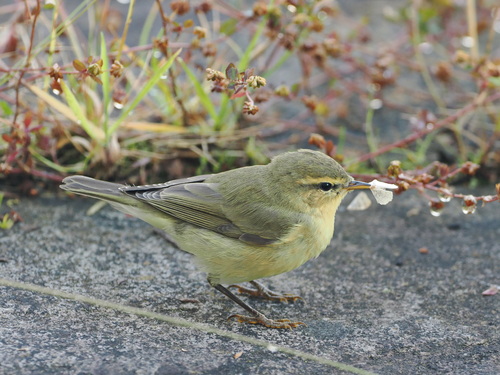 felosa-musical
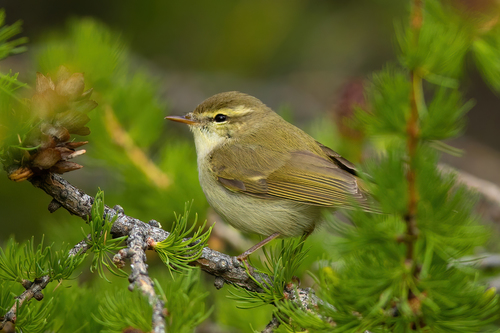 felosa-verde
Em resumo
A marca de campo mais confiável para separar a felosa-musical da felosa-verde é a presença ou ausência de uma faixa alar: a felosa-verde (especialmente as populações ocidentais e do sul) apresenta uma distinta faixa alar pálida nas coberturas maiores, enquanto a felosa-musical sempre carece de qualquer faixa alar e tem asas verde-oliva simples. Essa diferença é especialmente clara em juvenis e imaturos frescos, mas também se aplica a adultos. A felosa-musical é tipicamente mais longa nas asas, com uma forma mais elegante e projeção primária mais longa, enquanto a felosa-verde é um pouco mais compacta e frequentemente apresenta um tom verde mais acinzentado acima. A cor das pernas e a estrutura do bico podem ajudar, mas são sutis. Ambas as espécies são pequenas felosas verde-oliva, portanto, atenção cuidadosa à asa e à estrutura é essencial em campo.
Dicas de identificação
- Verifique se há uma faixa alar: A felosa-verde (especialmente as formas ocidentais e do sul) apresenta uma distinta faixa alar pálida nas coberturas maiores em todas as plumagens; a felosa-musical nunca apresenta uma faixa alar em qualquer idade. Esta é a marca de campo mais confiável.
- Procure por uma segunda faixa alar: Algumas felosas-verdes do leste (grupo trochiloides) podem apresentar uma fraca segunda faixa alar; a felosa-musical sempre carece de ambas.
- Avalie a cor das partes superiores: A felosa-musical é verde-oliva acima, às vezes com um tom mais quente ou amarelado; a felosa-verde é tipicamente verde-acinzentada ou mais opaca, especialmente em aves do leste.
- Tom das partes inferiores: Juvenis de felosa-musical são distintamente mais amarelados abaixo do que as felosas-verdes, que são mais brancas ou apenas levemente amareladas.
- Projeção primária: A felosa-musical tem uma projeção primária visivelmente mais longa (a ponta da asa se estende bem além dos tertiais quando empoleirada), dando-lhe uma aparência mais elegante e alongada; a projeção da felosa-verde é mais curta, fazendo-a parecer mais compacta.
- Estrutura do bico: A felosa-musical tem um bico mais longo e mais claro; o bico da felosa-verde é mais fino e carece de uma ponta escura na mandíbula inferior. Isso é sutil e melhor utilizado em boa luz.
- Cor das pernas: A felosa-musical tem pernas mais claras, amarelo-rosadas; as pernas da felosa-verde não são tão distintamente claras, mas isso é variável e nem sempre confiável.
- Forma geral ('jizz'): A felosa-musical muitas vezes parece mais longa e mais graciosa, especialmente quando empoleirada; a felosa-verde é um pouco mais compacta e pode parecer ligeiramente mais arredondada.
- Canto: A felosa-musical canta um assobio simples, doce e descendente; o canto da felosa-verde é um trinado alto e irregular, às vezes com notas arrastadas. O canto é diagnóstico se ouvido bem.
- Chamado: O chamado da felosa-musical é um suave 'hoo-eet' disilábico; o da felosa-verde é mais agudo e abrupto. Use com cautela, a menos que esteja familiarizado.
- Habitat e contexto: Na Europa ocidental e setentrional, a felosa-musical é muito mais provável, exceto durante períodos de migração intensa. A felosa-verde é um migrante ou visitante raro nessas regiões.
- Contexto sazonal: No final do verão e outono, juvenis de felosa-musical podem parecer especialmente amarelados abaixo, mas ainda assim nunca apresentam uma faixa alar. Juvenis de felosa-verde sempre apresentam pelo menos uma faixa alar pálida.
- Armadilhas: Não confunda as bordas pálidas e fracas nas coberturas da asa da felosa-musical com uma verdadeira faixa alar; a faixa alar da felosa-verde é geralmente nítida e contrasta com o restante da asa.
- Comparação direta: Se você ver ambas juntas, a diferença na faixa alar e na projeção primária é marcante. Use essas características primeiro antes de confiar em sutis diferenças de cor ou estrutura.
- Quando em dúvida: Se você ver uma pequena felosa do gênero Phylloscopus com uma clara faixa alar pálida, descarte a felosa-musical. Se nenhuma faixa alar for visível e a ave tiver asas longas e for amarelada abaixo, a felosa-musical é provável.
Tamanho
A felosa-musical é ligeiramente maior, medindo 11–12,5 cm de comprimento e pesando 7–15 g [wikipedia]. A felosa-verde é semelhante, mas marginalmente menor no geral, com alguma variação geográfica (aves do norte sendo menores) [wikipedia]. Em campo, essa diferença de tamanho é sutil e geralmente não é diagnóstica, a menos que vistas lado a lado. Ambas são típicas pequenas felosas do gênero Phylloscopus.
Plumagem
- Aves juvenis e imaturas: A felosa-verde (especialmente as formas ocidentais e do sul) apresenta uma distinta faixa alar pálida nas coberturas maiores, às vezes com um traço de uma segunda faixa em algumas aves do leste. Juvenis e imaturos de felosa-musical nunca apresentam uma faixa alar; suas asas são verde-oliva simples. Esta é a marca de plumagem mais útil em todas as idades.
- Adultos: A felosa-musical é verde-oliva acima e branca a amarelada abaixo, sem faixas alares. A felosa-verde é verde-acinzentada acima e branca abaixo, com uma única faixa alar pálida (às vezes fraca, mas geralmente visível em campo). A felosa-verde pode parecer ligeiramente mais acinzentada ou opaca acima, especialmente em aves do leste.
- Partes inferiores: A felosa-musical tende a ser mais amarelada abaixo (especialmente em juvenis), enquanto a felosa-verde é mais branca ou apenas levemente amarelada.
- Outras marcas: A felosa-musical tem um bico mais longo e mais claro e pernas amarelo-rosadas mais claras; o bico da felosa-verde é mais fino e carece de uma ponta escura, a cor das pernas é menos distintiva.
Comportamento
Ambas as espécies são forrageadoras ativas e inquietas na folhagem, frequentemente agitando asas e caudas. A felosa-musical pode parecer mais elegante e alongada, movendo-se com um movimento mais suave e fluido, enquanto a felosa-verde é ligeiramente mais compacta e pode parecer um pouco mais deliberada. O comportamento não é um separador forte, a menos que combinado com estrutura e plumagem.
Habitat
A felosa-musical se reproduz amplamente em florestas abertas com árvores e cobertura do solo, especialmente bétulas, amieiros e salgueiros, em toda a Europa setentrional e temperada até a Sibéria. A felosa-verde se reproduz no nordeste da Europa e em toda a Ásia, preferindo florestas decíduas ou mistas em áreas baixas, e é mais provável de ser encontrada como um visitante raro na Europa Ocidental. No outono ou na primavera, a felosa-verde pode ser encontrada em habitats mais variados, incluindo florestas montanas em sua faixa asiática. A sobreposição de habitat é possível, mas a felosa-musical é muito mais provável na Europa ocidental e setentrional fora dos períodos de migração.
Voz
O canto da felosa-musical é um assobio simples, repetitivo e descendente, e seu chamado de contato é um 'hoo-eet' disilábico. O canto da felosa-verde é um trinado alto e irregular, às vezes com notas arrastadas para cima e para baixo, e é geralmente mais complexo e variável do que o da felosa-musical. Os chamados são menos frequentemente diagnósticos em campo, a menos que ouvidos bem; o chamado da felosa-musical é mais suave e mais disilábico, enquanto o da felosa-verde é mais agudo e abrupto.