

Luì grosso vs Luì verdastro
Phylloscopus trochilus contro Phylloscopus trochiloides
Fai un quiz con Luì grosso e Luì verdastro
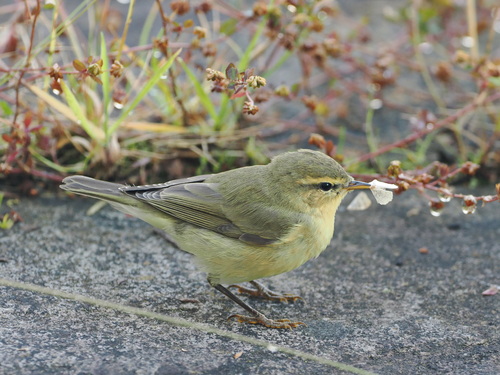 Luì grosso
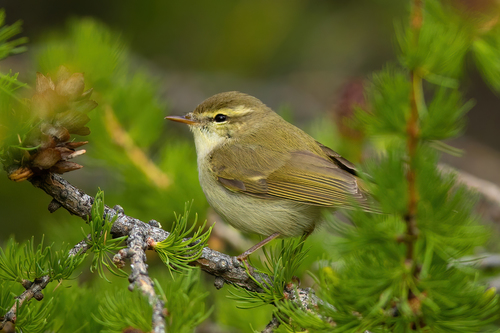 Luì verdastro
In breve
Il segno di campo più affidabile per separare il Luì grosso dal Luì verdastro è la presenza o assenza di una banda alare: il Luì verdastro (soprattutto le popolazioni occidentali e meridionali) mostra una distintiva banda alare chiara sulle copritrici maggiori, mentre il Luì grosso manca sempre di qualsiasi banda alare e ha ali di un semplice colore verde-marrone. Questa differenza è particolarmente evidente nei giovani freschi e negli immaturi, ma vale anche per gli adulti. Il Luì grosso ha tipicamente ali più lunghe con una forma più elegante e una proiezione primaria più lunga, mentre il Luì verdastro è un po' più compatto e spesso mostra una tonalità verde-grigia leggermente più chiara sopra. Il colore delle zampe e la struttura del becco possono aiutare, ma sono sottili. Entrambe le specie sono piccoli luì verdi, quindi è essenziale prestare attenzione alla struttura e alle ali sul campo.
Consigli di identificazione
- Controlla la presenza di una banda alare: il Luì verdastro (soprattutto le forme occidentali e meridionali) mostra una distintiva banda alare chiara sulle copritrici maggiori in tutte le livree; il Luì grosso non mostra mai una banda alare a nessuna età. Questo è il segno di campo più affidabile.
- Cerca una seconda banda alare: alcuni Luì verdastri orientali (gruppo trochiloides) possono mostrare una debole seconda banda alare; il Luì grosso manca sempre di entrambe.
- Valuta il colore delle parti superiori: il Luì grosso è verde-marrone sopra, a volte con una tonalità più calda o gialla; il Luì verdastro è tipicamente verde-grigio o più opaco, soprattutto negli uccelli orientali.
- Tonalità delle parti inferiori: i giovani Luì grossi sono nettamente più gialli sotto rispetto ai Luì verdastri, che sono più bianco sporco o solo leggermente giallastri.
- Proiezione primaria: il Luì grosso ha una proiezione primaria notevolmente più lunga (la punta dell'ala si estende ben oltre le terziali quando è posato), conferendogli un aspetto più elegante ed allungato; la proiezione del Luì verdastro è più corta, facendolo apparire più compatto.
- Struttura del becco: il Luì grosso ha un becco più lungo e più chiaro; il becco del Luì verdastro è più sottile e manca di una punta scura sulla mandibola inferiore. Questo è sottile e meglio utilizzato in buona luce.
- Colore delle zampe: il Luì grosso ha zampe più chiare, di colore giallo-rosato; le zampe del Luì verdastro non sono così distintamente chiare, ma questo è variabile e non sempre affidabile.
- Forma generale ('jizz'): il Luì grosso appare spesso più lungo e più grazioso, soprattutto quando è posato; il Luì verdastro è un po' più compatto e può apparire leggermente più rotondo.
- Canto: il Luì grosso canta un semplice fischio dolce e discendente; il canto del Luì verdastro è un trillo alto e irregolare, a volte con note sfumate. Il canto è diagnostico se udito bene.
- Richiamo: il richiamo del Luì grosso è un 'hoo-eet' morbido e disillabico; quello del Luì verdastro è più acuto e brusco. Usare con cautela a meno che non si sia familiari.
- Habitat e contesto: nell'Europa occidentale e settentrionale, il Luì grosso è di gran lunga più probabile, tranne durante i periodi di picco di vagabondaggio. Il Luì verdastro è un migrante raro o un vagabondo in queste regioni.
- Contesto stagionale: alla fine dell'estate e in autunno, i giovani Luì grossi possono apparire particolarmente gialli sotto, ma non mostrano mai una banda alare. I giovani Luì verdastri mostrano sempre almeno una banda alare chiara.
- Trappole: non confondere i deboli bordi chiari sulle copritrici alari del Luì grosso per una vera banda alare; la banda alare del Luì verdastro è solitamente netta e contrasta con il resto dell'ala.
- Confronto diretto: se vedi entrambi insieme, la differenza nella banda alare e nella proiezione primaria è notevole. Usa queste caratteristiche prima di fare affidamento su differenze sottili di colore o struttura.
- Quando hai dubbi: se vedi un piccolo luì Phylloscopus con una chiara banda alare chiara, escludi il Luì grosso. Se non è visibile alcuna banda alare e l'uccello ha ali lunghe e un colore giallastro sotto, è probabile che sia un Luì grosso.
Taglia
Il Luì grosso è leggermente più grande, misurando 11–12,5 cm di lunghezza e pesando 7–15 g [wikipedia]. Il Luì verdastro è simile ma marginalmente più piccolo nel complesso, con alcune variazioni geografiche (gli uccelli settentrionali sono più piccoli) [wikipedia]. Sul campo, questa differenza di dimensioni è sottile e di solito non è diagnostica a meno che non siano visti fianco a fianco. Entrambi sono tipici piccoli luì Phylloscopus.
Piumaggio
- Uccelli giovani e immaturi: il Luì verdastro (soprattutto le forme occidentali e meridionali) mostra una distintiva banda alare chiara sulle copritrici maggiori, a volte con una traccia di una seconda banda in alcuni uccelli orientali. I giovani e gli immaturi Luì grossi non mostrano mai una banda alare; le loro ali sono di un semplice colore verde-marrone. Questo è il segno di livrea più utile a tutte le età.
- Adulti: il Luì grosso è verde-marrone sopra e bianco sporco o giallastro sotto, senza bande alari. Il Luì verdastro è grigio-verde sopra e bianco sporco sotto, con una singola banda alare chiara (a volte debole, ma di solito visibile sul campo). Il Luì verdastro può apparire leggermente più grigio o opaco sopra, soprattutto negli uccelli orientali.
- Parti inferiori: il Luì grosso tende ad essere più giallo sotto (soprattutto nei giovani), mentre il Luì verdastro è più bianco sporco o solo leggermente giallastro.
- Altri segni: il Luì grosso ha un becco più lungo e più chiaro e zampe più chiare di colore giallo-rosato; il becco del Luì verdastro è più sottile e manca di una punta scura, il colore delle zampe è meno distintivo.
Comportamento
Entrambe le specie sono foraggiatori attivi e irrequieti nel fogliame, spesso muovendo ali e code. Il Luì grosso può apparire più elegante e allungato, muovendosi con un movimento più fluido e armonioso, mentre il Luì verdastro è leggermente più compatto e può apparire un po' più deliberato. Il comportamento non è un forte separatore a meno che non sia combinato con struttura e livrea.
Habitat
Il Luì grosso nidifica ampiamente in boschi aperti con alberi e copertura del suolo, specialmente betulle, ontani e salici, in tutta l'Europa settentrionale e temperata fino alla Siberia. Il Luì verdastro nidifica nell'Europa nord-orientale e in tutta l'Asia, preferendo foreste decidue o miste di pianura, ed è più probabile trovarlo come un raro vagabondo nell'Europa occidentale. In autunno o primavera, il Luì verdastro può essere incontrato in habitat più vari, comprese le foreste montane nel suo areale asiatico. È possibile un sovrapposizione degli habitat, ma il Luì grosso è molto più probabile nell'Europa occidentale e settentrionale al di fuori dei periodi di vagabondaggio.
Voce
Il canto del Luì grosso è un semplice fischio discendente e ripetitivo, e il suo richiamo di contatto è un 'hoo-eet' disillabico. Il canto del Luì verdastro è un trillo alto e irregolare, a volte con note sfumate in su e in giù, ed è generalmente più complesso e variabile rispetto a quello del Luì grosso. I richiami sono meno spesso diagnostici sul campo a meno che non siano uditi bene; il richiamo del Luì grosso è più morbido e più disillabico, mentre quello del Luì verdastro è più acuto e brusco.