

franga-d'água-pintada vs african thrush
Sarothrura pulchra versus Turdus pelios
Jogue um quiz com franga-d'água-pintada e african thrush
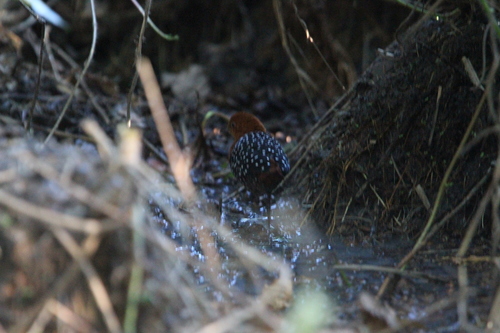 franga-d'água-pintada
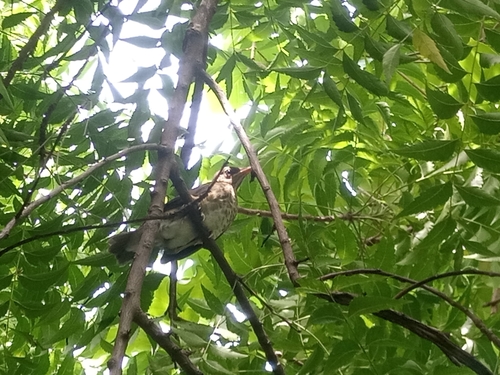 african thrush
Em resumo
A marca de campo mais confiável para separar a franga-d'água-pintada do african thrush é a estrutura geral e a plumagem: a franga-d'água-pintada é uma pequena e compacta ave aquática de cauda curta com manchas brancas ousadas em um corpo escuro (macho com vermelho intenso na cabeça e no peito), enquanto o african thrush é um pássaro cantor maior, esbelto e de cauda longa com partes superiores de cor oliva-cinza simples e um padrão de partes inferiores listradas e pálidas. As frangas-d'água-pintadas são habitantes do solo secretos de florestas tropicais densas, raramente aventurando-se ao ar livre, enquanto os african thrushes são mais propensos a serem vistos forrageando em folhas caídas ou em árvores frutíferas em bosques e jardins. Em voo ou empoleirado, a cauda mais longa do thrush, o bico amarelo-alaranjado e a falta de manchas ousadas são contrastes claros. Padrões de asas ou de voo específicos de juvenis não são descritos para nenhuma das espécies, então concentre-se na estrutura e na plumagem.
Dicas de identificação
- A estrutura é fundamental: A franga-d'água-pintada é uma ave aquática compacta e de cauda curta, enquanto o african thrush é um pássaro cantor mais longo, esbelto e de cauda longa. Mesmo em luz fraca, a cauda mais longa do thrush e a postura ereta se destacam.
- Padrão da plumagem: O macho da franga-d'água-pintada apresenta manchas brancas ousadas em um corpo preto com vermelho intenso na cabeça, pescoço, peito e coberturas da cauda. Nenhum thrush na região possui essa combinação. A fêmea da franga-d'água-pintada é mais escura no geral, mas ainda carece das partes inferiores listradas do thrush.
- Cor do bico: O african thrush possui um bico amarelo-alaranjado distinto, visível mesmo à distância. O bico da franga-d'água-pintada não é descrito como colorido e se mistura com seu rosto escuro.
- Padrão das partes inferiores: O african thrush tem partes inferiores pálidas com listras marrons na garganta, peito cinza-marronzado, flancos laranja-claro e uma barriga/ventre brancos. A franga-d'água-pintada é muito mais escura embaixo, com manchas brancas ousadas (macho/fêmea) e sem listras ou flancos alaranjados.
- Sem manchas brancas ousadas no thrush: Se você ver manchas brancas claras em um corpo preto ou marrom escuro, é uma franga-d'água-pintada, não um thrush.
- Forma e comprimento da cauda: A cauda da franga-d'água-pintada é muito curta e não é obviamente peluda; a cauda do thrush é longa e frequentemente aberta ou ligeiramente levantada ao forragear.
- Contexto do habitat: Em sub-bosques densos de florestas tropicais, especialmente perto da água, espere ver a franga-d'água-pintada. Em jardins, bosques ou em árvores frutíferas, espere ver o thrush.
- Comportamento: A franga-d'água-pintada é extremamente secreta e raramente vista ao ar livre; o thrush pode ser visto forrageando em folhas caídas abertas ou em árvores frutíferas, às vezes ao ar livre.
- Estilo de alimentação: A franga-d'água-pintada procura por invertebrados; o thrush mexe nas folhas caídas e pode ser visto quebrando caramujos em pedras.
- Visões de voo: Ambas as espécies são relutantes em voar, mas o thrush voará para as árvores ou através de espaços abertos, enquanto a franga-d'água-pintada geralmente corre para se esconder e só voa distâncias curtas e baixas ao chão.
- Impressão de tamanho: O thrush é visivelmente maior e mais robusto do que a franga-d'água-pintada.
- Diferenças sexuais: O macho da franga-d'água-pintada é mais colorido (vermelho e preto com manchas brancas); a fêmea é mais escura, mas ainda possui padrão. Os sexos do thrush são semelhantes.
- Confusão juvenil: Nenhuma plumagem juvenil detalhada para nenhuma das espécies, mas os jovens thrushes ainda mostrarão a mesma estrutura e a falta de manchas ousadas.
- Emparelhamento e sociabilidade: A franga-d'água-pintada é geralmente vista sozinha ou em pares, estritamente territorial; o thrush pode ser visto em grupos soltos em árvores frutíferas.
- Vocalizações: Não descritas aqui, então confie nas marcas visuais.
Tamanho
A franga-d'água-pintada é distintamente menor e mais compacta, medindo 16–17 cm de comprimento e pesando cerca de 45 g. O african thrush é maior e mais alongado, medindo 21–23 cm e 46–78 g. No campo, o thrush parecerá visivelmente maior, com um corpo e cauda mais longos, e uma postura mais ereta em comparação com a franga-d'água-pintada, que é baixa e de cauda curta.
Plumagem
Nenhum padrão de asa ou de voo específico para a idade é descrito para nenhuma das espécies, então confie na plumagem geral. O macho adulto da franga-d'água-pintada é impressionante, com uma cabeça, pescoço, peito e coberturas da cauda vermelhos ricos, e um corpo preto fortemente manchado de branco. As fêmeas são semelhantes, mas com corpo mais escuro (preto a marrom escuro) e vermelho menos vívido. Ambos os sexos têm padrões ousados e contrastantes. O african thrush, por outro lado, é muito mais simples: as partes superiores são de um cinza-oliva escuro, as partes inferiores são pálidas com listras marrons na garganta, peito cinza-marronzado, flancos laranja-claro e barriga e ventre brancos. O thrush não possui manchas brancas ousadas ou coloração vermelha. A cor do bico também é uma pista: o thrush tem um bico amarelo-alaranjado, enquanto o bico da franga-d'água-pintada não é descrito como colorido. As plumagens juvenis não são detalhadas, mas as diferenças estruturais e de padrão são fortes em todas as idades.
Comportamento
A franga-d'água-pintada é altamente secreta, diurna e prefere coberturas densas, raramente aventurando-se ao ar livre, exceto ao atravessar lacunas. Ela forrageia por invertebrados no chão, é territorial e forma fortes laços de casal. O african thrush também é tímido, mas mais propenso a ser visto ao ar livre, especialmente em árvores frutíferas ou ao forragear em folhas caídas. Sua forrageação é crepuscular, e pode ser visto quebrando caramujos em pedras. Quando não perturbados, os thrushes podem ser bastante ousados em espaços abertos, ao contrário da franga-d'água-pintada.
Habitat
A franga-d'água-pintada é uma especialista em sub-bosques densos de florestas tropicais africanas, quase sempre perto de coberturas espessas. O african thrush é comum em áreas bem arborizadas, incluindo bordas de bosques, jardins e crescimento secundário, e está menos ligado a interiores de florestas densas. Ver um pássaro em sub-bosques profundos e úmidos favorece fortemente a franga-d'água-pintada; em jardins ou bosques abertos, o thrush é muito mais provável.
franga-d'água-pintada · african thrush · Minhas aves difíceis