

beija-flor-azul-de-rabo-branco vs bronzy hermit
Florisuga mellivora versus Glaucis aeneus
Jogue um quiz com beija-flor-azul-de-rabo-branco e bronzy hermit
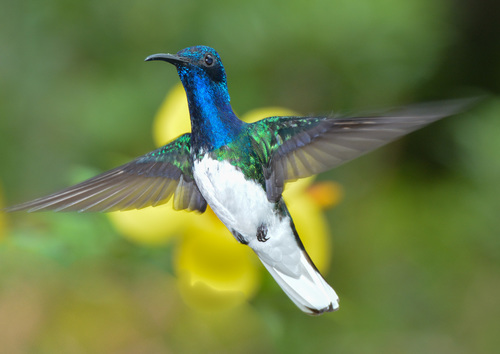 beija-flor-azul-de-rabo-branco
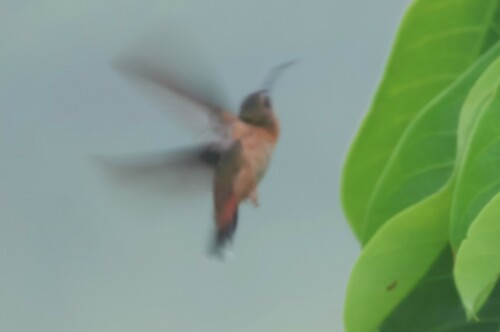 bronzy hermit
Em resumo
A marca de campo mais confiável para separar o beija-flor-azul-de-rabo-branco do bronzy hermit é a cabeça azul impressionante do macho jacobin, barriga branca e cauda branca com pontas pretas—características que nunca são mostradas pelo bronzy, que é uniformemente bronzy-verde por cima com um lado inferior amarelado e uma distinta bigode branco. Fêmeas e imaturos do jacobin são mais variáveis e podem mostrar partes superiores verdes e uma barriga branca, mas ainda carecem do padrão facial do bronzy e sempre têm um bico muito mais curto e reto. O bronzy hermit é menor, com um bico curvado, partes superiores bronzy, e uma garganta e barriga amareladas, além de uma cauda com ponta branca e um rosto escuro com um ousado bigode branco. A forma do bico e o padrão facial são cruciais para separar fêmeas e imaturos, especialmente em luz fraca ou quando as cores estão atenuadas.
Dicas de identificação
- O macho adulto jacobin é diagnóstico: Cabeça e peito azul profundo, barriga branca e cauda branca com pontas pretas são únicos—nunca igualados pelo bronzy hermit de qualquer idade ou sexo.
- A forma do bico é um separador chave: O bronzy hermit sempre tem um bico longo e fortemente curvado (especialmente nas fêmeas), enquanto o bico do jacobin é reto e mais curto. Isso é visível mesmo à distância ou em silhueta.
- Padrão facial: O bronzy hermit mostra um ousado bigode branco em um rosto escuro, ausente no jacobin de qualquer idade ou sexo. Se você ver uma faixa facial branca, é bronzy.
- Cor das partes inferiores: O bronzy hermit tem uma garganta e peito amarelados profundos com uma barriga amarelada pálida, enquanto o jacobin (exceto alguns imaturos) mostra uma barriga branca e azul ou azul-esverdeado garganta/peito (machos/fêmeas). Imaturos do jacobin podem ter tons bronzy, mas nunca o uniforme amarelado do bronzy.
- Padrão da cauda: Machos jacobin têm uma cauda branca com pontas pretas; fêmeas e imaturos têm mais verde e azul, mas ainda carecem do padrão de cauda do bronzy. O bronzy hermit tem uma cauda verde-acinzentada por cima com pontas brancas, e a parte inferior é avermelhada na base, escura no meio e branca na ponta—nunca toda branca ou azul.
- Partes superiores: Machos jacobin têm um dorso verde brilhante, enquanto o bronzy é bronzy ou verde cobre por cima. Fêmeas jacobin são verdes por cima, mas carecem do brilho bronzy ou cobre.
- Tamanho e estrutura: O jacobin é maior e bulkier, com uma cauda mais longa e aparência mais robusta. O bronzy é menor e mais delicado, com um corpo esguio e bico curvado proporcionalmente mais longo.
- Comportamento nas flores: O jacobin pode se alimentar em grupos e ser agressivo, frequentemente alto na copa ou nas bordas. O bronzy hermit é solitário, seguindo uma rota baixa na sub-bosque.
- Postura empoleirada: O jacobin frequentemente se empoleira ereto e exposto; o bronzy hermit é mais propenso a se empoleirar baixo e escondido.
- Contexto do habitat: Em jardins, clareiras ou bordas altas, o jacobin é mais provável; em sub-bosques densos e úmidos, o bronzy é mais provável.
- Confusão entre fêmeas/imaturos: A fêmea jacobin pode se assemelhar a uma versão mais apagada do macho ou até mesmo ao bronzy em luz fraca, mas sempre carece do bigode branco e tem um bico mais reto. Imaturos do jacobin podem ser mais bronzy na garganta/peito, mas nunca mostram as partes inferiores uniformes amareladas ou padrão facial do bronzy.
- Cauda em voo: A cauda do bronzy hermit é menos contrastante e mostra um padrão de cor único por baixo; a cauda do jacobin (especialmente macho) é mais brilhante e contrastante, especialmente por baixo.
- Voz: Se você ouvir uma série de notas agudas 'tseee', é jacobin. Os chamados do bronzy não são descritos aqui, então confie nas marcas visuais.
- Diferenças sexuais: Os sexos do bronzy hermit se parecem, exceto pela curvatura do bico (fêmea mais curvada); os sexos do jacobin diferem, mas as fêmeas são variáveis e podem se assemelhar a imaturos.
- Armadilha: Imaturos do jacobin podem ser confusamente bronzy ou esverdeados, mas sempre carecerão do bigode branco do bronzy e do bico curvado. Foque no rosto e no bico para aves difíceis.
Tamanho
O beija-flor-azul-de-rabo-branco é visivelmente maior, medindo 11–12 cm de comprimento e pesando 6–9,2 g (machos ligeiramente mais pesados que fêmeas). O bronzy hermit é menor e mais leve, com 9–10 cm e 3–6,5 g. No campo, o jacobin frequentemente parece mais robusto e com cauda mais longa, enquanto o bronzy parece compacto e esguio, em parte devido ao seu comprimento total mais curto e construção mais delicada. A diferença de tamanho do jacobin é mais aparente quando ambas as espécies são vistas juntas em alimentadores ou árvores floridas.
Plumagem
Nenhuma marca de padrão de asa ou voo específica para a idade é descrita para qualquer uma das espécies, então o foco está na plumagem do corpo e da cauda. O macho adulto do beija-flor-azul-de-rabo-branco é inconfundível: cabeça e peito azul profundo, barriga branca nítida e uma cauda branca com pontas pretas. Uma faixa branca na nuca destaca a cabeça azul do dorso verde brilhante. As fêmeas do jacobin são variáveis, mas geralmente têm partes superiores verdes, uma garganta azul-esverdeada escamosa, barriga branca e uma cauda principalmente verde com azul na ponta; algumas podem se assemelhar a imaturos ou até mesmo machos apagados. Machos imaturos podem parecer fêmeas, mas tendem a mostrar mais branco na cauda, enquanto fêmeas imaturas são mais bronzy na garganta/peito e têm menos branco na cauda. O bronzy hermit de todas as idades e sexos é muito mais simples: bronzy ou verde cobre por cima, garganta e peito amarelados profundos, barriga amarelada pálida e um rosto com um ousado bigode branco em um fundo escuro. A cauda é verde-acinzentada por cima com pontas brancas, e por baixo mostra avermelhado na base, escuro no meio e branco na ponta. O bronzy nunca mostra o azul, branco ou padrão de contraste nítido do jacobin.
Comportamento
O beija-flor-azul-de-rabo-branco é frequentemente visto se alimentando em flores altas na copa ou nas bordas da floresta, às vezes em pequenos grupos agressivos. Não é altamente territorial, exceto em fontes de alimento ricas. Ambos os sexos irão atacar insetos de poleiros. O bronzy hermit é mais propenso a ser visto baixo na sub-bosque, movendo-se rapidamente entre flores, frequentemente ao longo de uma rota regular (traplining). Seu voo é tipicamente mais direto e menos exibido do que o do jacobin, e raramente se junta a grupos de alimentação agressivos. Em aves empoleiradas, o jacobin frequentemente se senta mais ereto e exposto, enquanto o bronzy hermit tende a ser mais furtivo e escondido.
Habitat
O beija-flor-azul-de-rabo-branco utiliza uma ampla gama de habitats do México ao norte da América do Sul, incluindo bordas de florestas, clareiras e jardins, e também é encontrado em Trinidad e Tobago. O bronzy hermit é mais restrito a florestas úmidas de baixa altitude e bordas na América Central e noroeste da América do Sul, e é menos provável de ser encontrado em habitats abertos ou perturbados. Se você estiver em um sub-bosque denso, o bronzy é mais provável; em bordas mais altas e abertas ou jardins, o jacobin é mais provável.
Voz
O beija-flor-azul-de-rabo-branco não é altamente vocal, mas sua canção é uma longa série de notas únicas agudas ('tseee...tseee...'), e os chamados incluem notas curtas 'tsik' e notas mais longas 'sweet', além de um 'swee-swee-swee' descendente em encontros agressivos. As vocalizações do bronzy hermit não são detalhadas nas notas, então a voz não é um separador confiável, a menos que a canção distinta do jacobin seja ouvida.
beija-flor-azul-de-rabo-branco · bronzy hermit · Minhas aves difíceis