

White-necked Jacobin vs Bronzy Hermit
Florisuga mellivora contro Glaucis aeneus
Fai un quiz con White-necked Jacobin e Bronzy Hermit
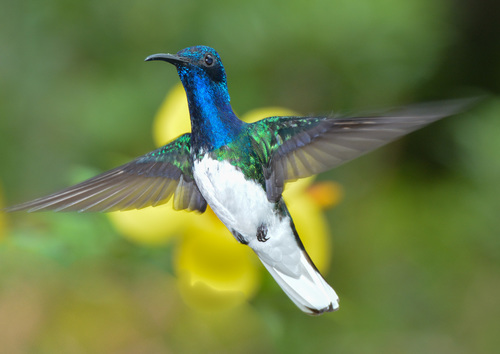 White-necked Jacobin
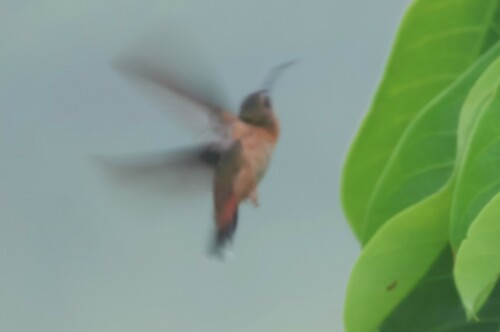 Bronzy Hermit
In breve
Il segno distintivo più affidabile per separare il White-necked Jacobin dal Bronzy Hermit è la testa blu brillante del maschio jacobin, il ventre bianco e la coda bianca con punte nere—caratteristiche mai mostrate dal bronzy, che è uniformemente bronzo-verde sopra con un sottocoda giallastro e un distintivo baffo bianco. Le femmine e gli immaturi del jacobin sono più variabili e possono mostrare parti superiori verdi e un ventre bianco, ma mancano comunque del motivo facciale del bronzy e hanno sempre un becco molto più corto e dritto. Il Bronzy Hermit è più piccolo, con un becco ricurvo, parti superiori bronzo, e una gola e un ventre giallastri, oltre a una coda con punte bianche e un volto scuro con un audace baffo bianco. La forma del becco e il motivo facciale sono cruciali per separare femmine e immaturi, specialmente in scarsa luce o quando i colori sono attenuati.
Consigli di identificazione
- Il maschio adulto jacobin è diagnostico: La testa e il petto blu scuro, il ventre bianco e la coda bianca con punte nere sono unici—mai eguagliati dal bronzy hermit di qualsiasi età o sesso.
- La forma del becco è un separatore chiave: Il bronzy hermit ha sempre un becco lungo e fortemente ricurvo (specialmente nelle femmine), mentre il becco del jacobin è dritto e più corto. Questo è visibile anche da lontano o in silhouette.
- Motivo facciale: Il bronzy hermit mostra un audace baffo bianco su un volto scuro, mancante nel jacobin di qualsiasi età o sesso. Se vedi una striscia facciale bianca, è bronzy.
- Colore delle parti inferiori: Il bronzy hermit ha una gola e un petto giallastri profondi con un ventre giallastro pallido, mentre il jacobin (eccetto alcuni immaturi) mostra un ventre bianco e una gola/petto blu o blu-verde (maschi/femmine). Gli immaturi jacobin possono avere toni bronzati ma mai l'uniforme giallastro del bronzy.
- Motivo della coda: I maschi jacobin hanno una coda bianca con punte nere; le femmine e gli immaturi hanno più verde e blu ma mancano comunque del motivo della coda del bronzy. Il bronzy hermit ha una coda grigio-verde sopra con punte bianche, e la parte inferiore è rossastra alla base, nerastro nel mezzo e bianca alla punta—mai completamente bianca o blu.
- Parti superiori: I maschi jacobin hanno una schiena verde brillante, mentre il bronzy è bronzo o verde rame sopra. Le femmine jacobin sono verdi sopra ma mancano della lucentezza bronzo o rame.
- Dimensioni e struttura: Il jacobin è più grande e massiccio, con una coda più lunga e un aspetto più robusto. Il bronzy è più piccolo e più delicato, con un corpo snello e un becco ricurvo proporzionalmente più lungo.
- Comportamento ai fiori: Il jacobin può nutrirsi in gruppi ed essere aggressivo, spesso in alto nella chioma o ai bordi. Il bronzy hermit è solitario, traplining in basso nel sottobosco.
- Postura in perching: Il jacobin spesso si posiziona eretto ed esposto; il bronzy hermit è più propenso a posarsi in basso e nascosto.
- Contesto dell'habitat: Nei giardini, nelle radure o ai bordi alti, il jacobin è più probabile; nel denso sottobosco umido, il bronzy è più probabile.
- Confusione femmina/immaturo: La femmina jacobin può assomigliare a una versione più opaca del maschio o persino al bronzy in scarsa luce, ma manca sempre del baffo bianco e ha un becco più dritto. Gli immaturi jacobin possono essere più bronzati sulla gola/petto ma non mostrano mai le parti inferiori giallastre uniformi del bronzy o il motivo facciale.
- Coda in volo: La coda del bronzy hermit è meno contrastante e mostra un motivo di colore unico sotto; la coda del jacobin (specialmente il maschio) è più luminosa e più contrastante, specialmente dal basso.
- Voce: Se senti una serie di note acute 'tseee', è jacobin. Le chiamate del bronzy non sono descritte qui, quindi fai affidamento sui segni visivi.
- Differenze sessuali: I sessi del bronzy hermit si assomigliano tranne che per la curvatura del becco (femmina più ricurva); i sessi del jacobin differiscono, ma le femmine sono variabili e possono assomigliare a immaturi.
- Trappola: Gli immaturi jacobin possono essere confusamente bronzati o verdastri, ma mancheranno sempre del baffo bianco del bronzy e del becco ricurvo. Concentrati su faccia e becco per uccelli difficili.
Taglia
Il White-necked Jacobin è notevolmente più grande, misurando 11–12 cm di lunghezza e pesando 6–9.2 g (i maschi sono leggermente più pesanti delle femmine). Il Bronzy Hermit è più piccolo e più leggero a 9–10 cm e 3–6.5 g. Sul campo, il jacobin appare spesso più robusto e con una coda più lunga, mentre il bronzy appare compatto e snello, in parte a causa della sua lunghezza complessiva più corta e della struttura più delicata. La differenza di dimensioni del jacobin è più evidente quando entrambe le specie sono viste insieme ai mangiatoie o agli alberi in fiore.
Piumaggio
Nessun segno specifico per età delle ali superiori o dei modelli di volo è descritto per entrambe le specie, quindi ci si concentra sul piumaggio del corpo e della coda. Il maschio adulto del White-necked Jacobin è inconfondibile: testa e petto blu scuro, ventre bianco netto e una coda bianca con punte nere. Una banda bianca sulla nuca separa la testa blu dalla schiena verde brillante. Le femmine di jacobin sono variabili ma di solito hanno parti superiori verdi, una gola blu-verde squamosa, un ventre bianco e una coda per lo più verde con blu alla fine; alcune possono assomigliare a immaturi o persino a maschi opachi. I maschi immaturi possono sembrare femmine ma tendono a mostrare più bianco nella coda, mentre le femmine immaturi sono più bronzate sulla gola/petto e hanno meno bianco nella coda. Il Bronzy Hermit di tutte le età e sessi è molto più semplice: bronzo o verde rame sopra, gola e petto giallastri profondi, ventre giallastro pallido e un volto con un audace baffo bianco su uno sfondo scuro. La coda è grigio-verde sopra con punte bianche, e sotto mostra rossastro alla base, nerastro nel mezzo e bianco alla punta. Il bronzy non mostra mai il blu, il bianco o il motivo nettamente contrastante del jacobin.
Comportamento
Il White-necked Jacobin è spesso visto nutrirsi ai fiori in alto nella chioma o ai bordi della foresta, a volte in piccoli gruppi aggressivi. Non è altamente territoriale tranne che in fonti di cibo ricche. Entrambi i sessi si lanceranno per gli insetti da posatoi. Il Bronzy Hermit è più probabile essere visto in basso nel sottobosco, muovendosi rapidamente tra i fiori, spesso lungo un percorso regolare (traplining). Il suo volo è tipicamente più diretto e meno appariscente rispetto a quello del jacobin, e raramente si unisce a gruppi di alimentazione aggressivi. Negli uccelli in perching, il jacobin spesso si siede più eretto ed esposto, mentre il bronzy hermit tende a essere più furtivo e nascosto.
Habitat
Il White-necked Jacobin utilizza una vasta gamma di habitat dal Messico al nord del Sud America, comprese le radure forestali, le radure e i giardini, ed è anche trovato a Trinidad e Tobago. Il Bronzy Hermit è più ristretto a foreste umide di pianura e bordi in Centro e nel nord-ovest del Sud America, ed è meno probabile trovarlo in habitat aperti o disturbati. Se ti trovi nel denso sottobosco forestale, il bronzy è più probabile; ai bordi più alti e aperti o nei giardini, il jacobin è più probabile.
Voce
Il White-necked Jacobin non è altamente vocale, ma il suo canto è una lunga serie di note singole acute ('tseee...tseee...'), e le chiamate includono note brevi 'tsik' e note più lunghe 'sweet', oltre a un 'swee-swee-swee' discendente in incontri aggressivi. Le vocalizzazioni del Bronzy Hermit non sono dettagliate nelle note, quindi la voce non è un separatore affidabile a meno che non si senta il canto distintivo del jacobin.
White-necked Jacobin · Bronzy Hermit · I miei uccelli difficili