

western gull vs Herring Gull
Larus occidentalis versus Larus argentatus
Jogue um quiz com western gull e Herring Gull
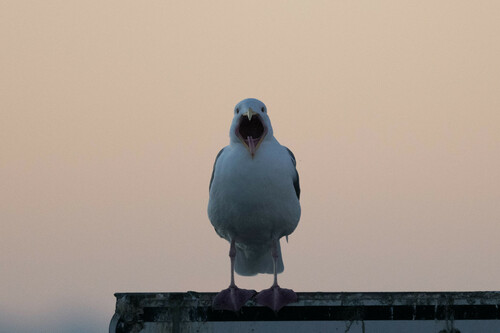 western gull
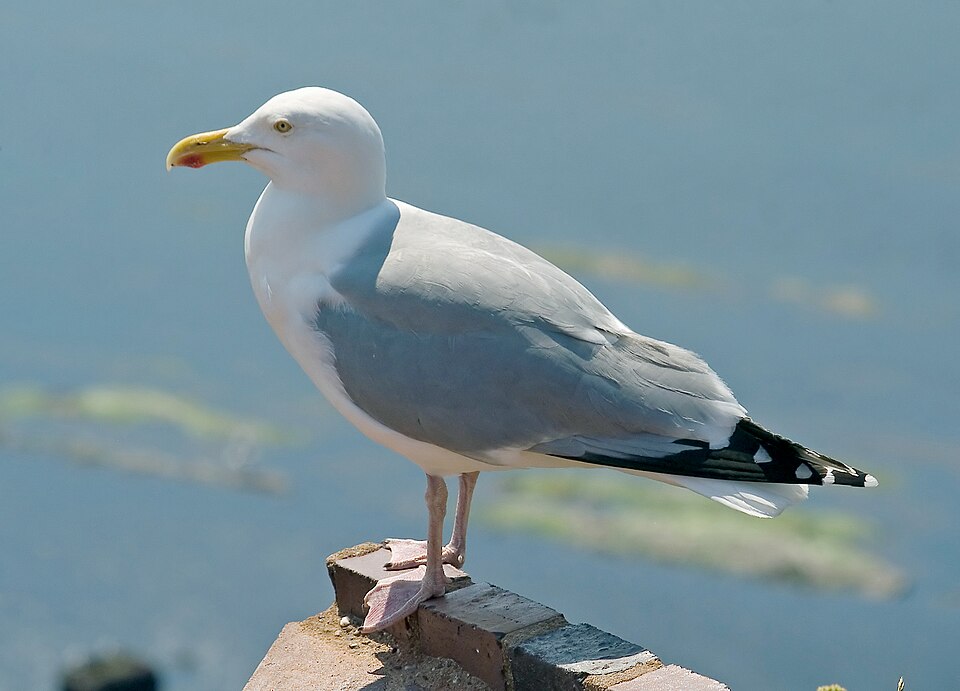 Herring Gull
Em resumo
A marca de campo mais confiável entre western gull e Herring Gull é a cor do manto (costas) em adultos: western gull apresenta um manto cinza ardósia distintamente mais escuro, enquanto o manto do Herring Gull é um cinza prateado mais claro. Em voo, adultos de ambas as espécies mostram pontas de asas pretas com 'espelhos' brancos, mas o contraste geral com o manto é muito mais forte em western gull. As aves imaturas são mais desafiadoras: ambas são marrons manchadas, mas as imaturas de Herring Gull são geralmente mais claras e mostram mais estrias, especialmente na cabeça e partes inferiores, enquanto as imaturas de western gull tendem a ser mais escuras no geral. A cor do bico e das pernas, assim como as estrias na cabeça em adultos não reprodutores, também são úteis—western gull geralmente tem uma cabeça branca mais limpa durante todo o ano, enquanto Herring Gull desenvolve estrias marrons no inverno. As diferenças estruturais são sutis, mas podem ajudar com a experiência.
Dicas de identificação
- Cor do Manto (Adultos): Adultos de western gull têm um manto cinza ardósia distintamente mais escuro em comparação com o cinza prateado mais claro de Herring Gull. Esta é a marca de campo mais confiável em vistas lado a lado ou em boa luz.
- Estrias na Cabeça (Não Reprodutores): Adultos de Herring Gull desenvolvem estrias marrons na cabeça e pescoço no inverno; western gull geralmente mantém uma cabeça branca limpa durante todo o ano (especialmente em aves puras, não híbridas). Isso funciona melhor no inverno.
- Cor e Forma do Bico: Ambas têm bicos amarelos com uma mancha vermelha, mas o bico de western gull é frequentemente mais robusto e com ponta mais bulbosa. O bico de Herring Gull pode parecer ligeiramente mais longo e mais fino, mas isso é sutil e variável.
- Cor das Pernas: As pernas de Herring Gull são rosas em todas as idades (raramente amareladas em aves do Báltico); as pernas de western gull não são descritas como diagnósticas nas fontes, então use com cautela.
- Cor dos Olhos: A cor dos olhos de western gull varia: amarelo pálido em aves do sul, mais escura no norte. Herring Gull geralmente tem olhos pálidos com um anel orbital amarelo. Isso é sutil e se sobrepõe.
- Plumagem Juvenil/Imatura: Juvenis de Herring Gull são marrons mais claros com mais estrias, especialmente na cabeça e partes inferiores, e um bico escuro. Imaturas de western gull são mais escuras no geral, com menos contraste e menos estrias na cabeça. Em voo, procure por escuridão e contraste geral.
- Aves de Segundo/Terceiro Inverno: Imaturas de Herring Gull mostram um dorso mais cinza e cabeça mais branca mais cedo, com marrom nas asas e marcas escuras no bico. Imaturas de western gull permanecem mais escuras e podem alcançar plumagem semelhante à de adultos mais rápido (especialmente subespécies do sul).
- Pontas de Asas (Adultos): Ambas as espécies têm pontas de asas pretas com 'espelhos' brancos, mas o contraste com o manto é muito mais forte em western gull. As pontas de asas pretas de Herring Gull se misturam mais com o manto cinza mais claro.
- Habitat: Western gull é estritamente costeira na costa do Pacífico da América do Norte; Herring Gull é amplamente distribuída na Europa e frequentemente encontrada no interior. Registros fora da faixa devem ser vistos com ceticismo.
- Armadilha Híbrida: No Pacífico Noroeste, western gull frequentemente hibridiza com gaivota-do-mar-de-bering, produzindo aves com cor de manto e pontas de asas intermediárias. Esses híbridos podem ser confusos e podem mostrar mais estrias na cabeça do que as western gulls puras.
- Tamanho: Ambas são grandes gaivotas; Herring Gull pode ser ligeiramente mais robusta, especialmente machos, mas o tamanho não é confiável a menos que as aves estejam juntas.
- Diferenças Sexuais: Machos de Herring Gull são maiores que as fêmeas, mas a plumagem é idêntica. O dimorfismo sexual de western gull não é descrito como óbvio.
- Voo: Ambas as espécies têm asas largas e corpos pesados, mas western gull pode parecer ligeiramente mais compacta e mais escura acima em voo.
- Contexto Sazonal: Se vista na Europa, é quase certamente Herring Gull; se na costa do Pacífico da América do Norte, especialmente ao sul da Colúmbia Britânica, é provável que seja western gull.
- Marcas no Bico em Imaturas: Imaturas de Herring Gull têm um bico escuro; imaturas de western gull também podem ter um bico escuro, mas a plumagem geral é mais escura e menos estriada.
Tamanho
Ambas as espécies são grandes gaivotas e se sobrepõem em comprimento e envergadura. Western gull tem uma massa média ligeiramente menor (886 g [avonet/wikidata]) em comparação com Herring Gull (machos adultos 1.050–1.525 g, fêmeas 710–1.100 g [wikipedia]), mas isso não é uma marca de campo confiável a menos que as aves estejam lado a lado. O comprimento da corda da asa, bico e tarsos são semelhantes, com Herring Gull às vezes parecendo um pouco mais robusta, especialmente nos machos. O tamanho sozinho não é um separador seguro.
Plumagem
- Juvenil/Primeiro Inverno: Ambas as espécies são marrons manchadas, mas juvenis de Herring Gull são mais claros com estrias mais óbvias na cabeça e partes inferiores, e um bico e olhos escuros. Imaturas de western gull são mais escuras, especialmente nas partes superiores, e frequentemente parecem menos estriadas na cabeça.
- Segundo Inverno: Herring Gull mostra uma cabeça e partes inferiores mais brancas, menos estrias e um dorso mais cinza. Imaturas de western gull permanecem mais escuras no geral, com menos contraste entre dorso e asas.
- Terceiro Inverno: Herring Gull está se aproximando da plumagem adulta, mas retém algum marrom nas asas e marcas escuras no bico. Western gull (especialmente subespécies do sul) pode já estar perto da plumagem adulta, mas com algumas características imaturas retidas.
- Adulto reprodutor: Western gull tem um manto cinza ardósia escuro, cabeça branca (poucas ou nenhuma estria mesmo no inverno), bico amarelo com mancha vermelha e cor dos olhos variável (amarelo pálido no sul, mais escuro no norte). Herring Gull tem um manto cinza mais claro, cabeça branca na reprodução, mas desenvolve estrias marrons na cabeça e pescoço em não reprodutores. O bico é amarelo com mancha vermelha, as pernas são rosas (raramente amareladas em algumas aves do Báltico) e os olhos são pálidos com um anel orbital amarelo. Ambas têm pontas de asas pretas com 'espelhos' brancos, mas o contraste com o manto é muito mais forte em western gull.
Comportamento
Ambas são gaivotas grandes típicas: onívoras, oportunistas e frequentemente vistas se alimentando. Herring Gulls são conhecidas por deixar cair presas com casca para quebrá-las e podem usar iscas para pegar peixes. O comportamento de western gull não é descrito como distintivo nas fontes. Ambas as espécies são agressivas em colônias e podem pegar ovos ou filhotes de outras aves.
Habitat
Western gull é estritamente costeira, encontrada ao longo da costa do Pacífico de British Columbia a Baja California, raramente se afastando muito para o interior. Herring Gull é muito mais ampla, reproduzindo-se em toda a Europa setentrional e ocidental e encontrada em uma variedade de habitats, incluindo costas, lagos interiores, rios e áreas urbanas. Se vista longe do interior na América do Norte, western gull é muito improvável; Herring Gull é comum em ambientes costeiros e interiores em sua faixa.