

Western Gull vs Herring Gull
Larus occidentalis contro Larus argentatus
Fai un quiz con Western Gull e Herring Gull
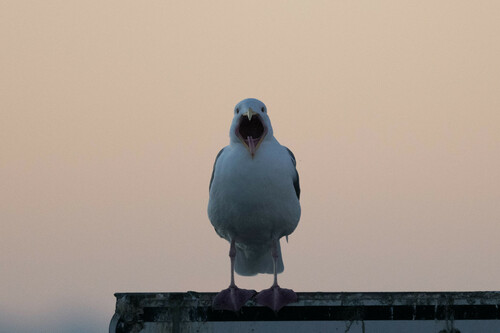 Western Gull
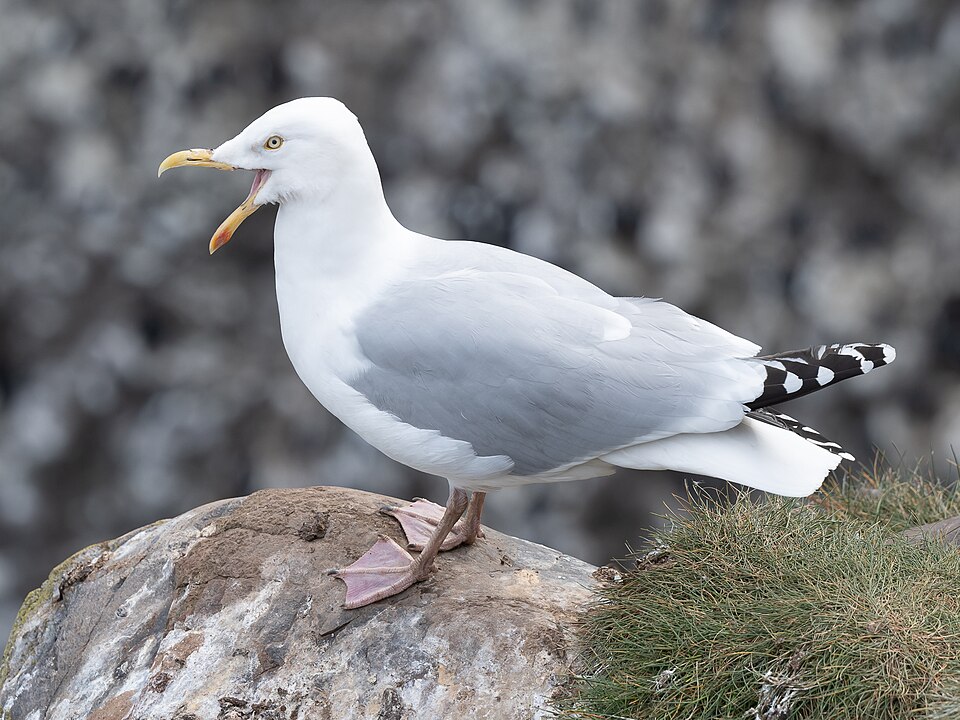 Herring Gull
In breve
Il segno distintivo più affidabile tra Western Gull e Herring Gull è il colore del mantello (schiena) negli adulti: il mantello del Western Gull è di un grigio ardesia decisamente più scuro, mentre il mantello dell'Herring Gull è di un grigio argenteo più chiaro. In volo, gli adulti di entrambe le specie mostrano punte delle ali nere con 'specchi' bianchi, ma il contrasto complessivo con il mantello è molto più forte nel Western Gull. Gli uccelli immaturi sono più difficili da distinguere: entrambi sono maculati di marrone, ma gli immaturi dell'Herring Gull sono generalmente più chiari e mostrano striature più estese, specialmente sulla testa e sulle parti inferiori, mentre gli immaturi del Western Gull tendono ad essere complessivamente più scuri. Il colore del becco e delle zampe, così come le striature sulla testa negli adulti non in riproduzione, sono anche utili: il Western Gull di solito ha una testa bianca più pulita durante tutto l'anno, mentre l'Herring Gull sviluppa striature marroni in inverno. Le differenze strutturali sono sottili ma possono aiutare con l'esperienza.
Consigli di identificazione
- Colore del Mantello (Adulti): Gli adulti del Western Gull hanno un mantello di un grigio ardesia decisamente più scuro rispetto al grigio argenteo più chiaro dell'Herring Gull. Questo è il segno distintivo più affidabile in viste affiancate o in buona luce.
- Striature sulla Testa (Non in Riproduzione): Gli adulti dell'Herring Gull sviluppano striature marroni sulla testa e sul collo in inverno; il Western Gull di solito mantiene una testa bianca pulita durante tutto l'anno (soprattutto negli uccelli puri, non ibridi). Questo funziona meglio in inverno.
- Colore e Forma del Becco: Entrambi hanno becchi gialli con una macchia rossa, ma il becco del Western Gull è spesso più robusto e con la punta più bulbosa. Il becco dell'Herring Gull può apparire leggermente più lungo e snello, ma questo è sottile e variabile.
- Colore delle Zampe: Le zampe dell'Herring Gull sono rosa a tutte le età (raramente giallastre negli uccelli baltici); le zampe del Western Gull non sono descritte come diagnostiche nelle fonti, quindi usare con cautela.
- Colore degli Occhi: Il colore degli occhi del Western Gull varia: giallo pallido negli uccelli meridionali, più scuro in quelli settentrionali. L'Herring Gull di solito ha occhi pallidi con un anello orbitale giallo. Questo è sottile e si sovrappone.
- Piumaggio Giovanile/Immaturi: I giovanili dell'Herring Gull sono di un marrone più chiaro con più striature, specialmente sulla testa e sulle parti inferiori, e un becco scuro. Gli immaturi del Western Gull sono complessivamente più scuri, con meno contrasto e meno striature sulla testa. In volo, cercare oscurità e contrasto complessivi.
- Uccelli di Secondo/Terzo Inverno: Gli immaturi dell'Herring Gull mostrano una schiena più grigia e una testa più bianca prima, con marrone nelle ali e segni scuri sul becco. Gli immaturi del Western Gull rimangono più scuri e possono raggiungere piumaggio simile agli adulti più rapidamente (soprattutto le sottospecie meridionali).
- Punte delle Ali (Adulti): Entrambe le specie hanno punte delle ali nere con 'specchi' bianchi, ma il contrasto con il mantello è molto più forte nel Western Gull. Le punte nere dell'Herring Gull si fondono di più con il mantello grigio più chiaro.
- Habitat: Il Western Gull è strettamente costiero sulla costa pacifica del Nord America; l'Herring Gull è diffuso in Europa e spesso si trova nell'entroterra. I record fuori dal range dovrebbero essere considerati con scetticismo.
- Trappola degli Ibridi: Nel Pacifico nord-occidentale, il Western Gull ibrida spesso con il Glaucous-winged Gull, producendo uccelli con colori intermedi del mantello e delle punte delle ali. Questi ibridi possono essere confusi e possono mostrare più striature sulla testa rispetto ai Western Gull puri.
- Dimensioni: Entrambi sono gabbiani di grandi dimensioni; l'Herring Gull può essere leggermente più robusto, specialmente i maschi, ma la dimensione non è affidabile a meno che gli uccelli non siano insieme.
- Differenze Sessuali: I maschi dell'Herring Gull sono più grandi delle femmine, ma il piumaggio è identico. Il dimorfismo sessuale del Western Gull non è descritto come ovvio.
- Comportamento in Volo: Entrambe le specie hanno ali larghe e corpi pesanti, ma il Western Gull può apparire leggermente più compatto e più scuro sopra in volo.
- Contesto Stagionale: Se visto in Europa, è quasi certamente un Herring Gull; se sulla costa pacifica del Nord America, specialmente a sud della Columbia Britannica, è probabile che sia un Western Gull.
- Segni sul Becco negli Immaturi: Gli immaturi dell'Herring Gull hanno un becco scuro; gli immaturi del Western Gull possono avere anche un becco scuro, ma il piumaggio complessivo è più scuro e meno striato.
Taglia
Entrambe le specie sono gabbiani di grandi dimensioni e si sovrappongono in lunghezza e apertura alare. Il Western Gull ha una massa leggermente più piccola in media (886 g [avonet/wikidata]) rispetto all'Herring Gull (maschi adulti 1.050–1.525 g, femmine 710–1.100 g [wikipedia]), ma questo non è un segno distintivo affidabile a meno che gli uccelli non siano affiancati. Le lunghezze della corda dell'ala, del becco e del tarso sono simili, con l'Herring Gull che a volte appare un po' più robusto, specialmente nei maschi. La dimensione da sola non è un separatore sicuro.
Piumaggio
- Giovanile/Primo Inverno: Entrambe le specie sono maculate di marrone, ma i giovanili dell'Herring Gull sono più chiari con striature più evidenti sulla testa e sulle parti inferiori, e un becco e occhi scuri. Gli immaturi del Western Gull sono più scuri, specialmente sulle parti superiori, e spesso appaiono meno striati sulla testa.
- Secondo Inverno: L'Herring Gull mostra una testa e parti inferiori più bianche, meno striature e una schiena più grigia. Gli immaturi del Western Gull rimangono più scuri complessivamente, con meno contrasto tra schiena e ali.
- Terzo Inverno: L'Herring Gull si avvicina al piumaggio adulto ma mantiene alcune macchie marroni nelle ali e segni scuri sul becco. Il Western Gull (soprattutto le sottospecie meridionali) può già essere vicino al piumaggio adulto, ma con alcune caratteristiche immature mantenute.
- Riproduzione Adulta: Il Western Gull ha un mantello di un grigio ardesia scuro, una testa bianca (poche o nessuna striatura anche in inverno), un becco giallo con macchia rossa e un colore degli occhi variabile (giallo pallido a sud, più scuro a nord). L'Herring Gull ha un mantello grigio più chiaro, una testa bianca in riproduzione, ma sviluppa striature marroni sulla testa e sul collo in non riproduzione. Il becco è giallo con macchia rossa, le zampe sono rosa (raramente giallastre in alcuni uccelli baltici) e gli occhi sono pallidi con un anello orbitale giallo. Entrambi hanno punte delle ali nere con 'specchi' bianchi, ma il contrasto con il mantello è molto più forte nel Western Gull.
Comportamento
Entrambi sono gabbiani di grandi dimensioni tipici: onnivori, opportunistici e spesso visti a sciacallare. Gli Herring Gull sono noti per far cadere prede con guscio per romperle e possono usare esche per catturare pesci. Il comportamento del Western Gull non è descritto come distintivo nelle fonti. Entrambe le specie sono aggressive nelle colonie e prenderanno uova o pulcini di altri uccelli.
Habitat
Il Western Gull è strettamente costiero, trovato lungo la costa pacifica da British Columbia a Baja California, raramente allontanandosi molto nell'entroterra. L'Herring Gull è molto più diffuso, nidificando in tutta l'Europa settentrionale e occidentale e trovandosi in una varietà di habitat, comprese coste, laghi interni, fiumi e aree urbane. Se visto lontano nell'entroterra del Nord America, il Western Gull è molto improbabile; l'Herring Gull è comune sia in ambienti costieri che interni nel suo range.