

felosa-verde-listada vs felosa-boreal
Phylloscopus plumbeitarsus versus Phylloscopus borealis
Jogue um quiz com felosa-verde-listada e felosa-boreal
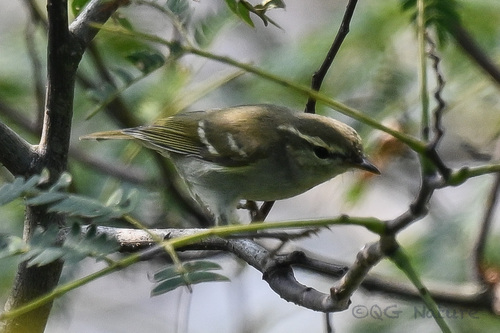 felosa-verde-listada
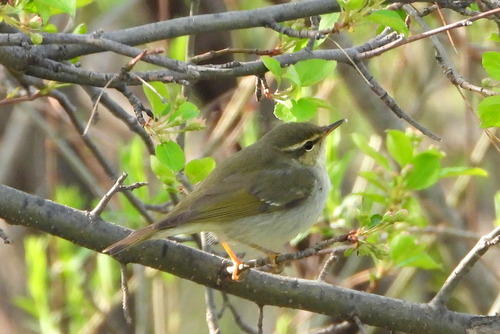 felosa-boreal
Em resumo
A marca de campo mais confiável para separar a felosa-verde-listada da felosa-boreal é o número de faixas nas asas: a felosa-verde-listada sempre apresenta duas faixas pálidas distintas na asa superior (através das coberturas maiores e medianas), enquanto a felosa-boreal tem apenas uma faixa. Essa diferença é visível em todas as idades e plumagens, tanto empoleiradas quanto em voo. Estruturalmente, a felosa-boreal é ligeiramente maior e tem um bico notavelmente mais pesado, em forma de adaga, com uma ponta escura na mandíbula inferior, que a felosa-verde-listada não possui. Ambas as espécies são felosas com partes superiores verde-acinzentadas e partes inferiores pálidas, portanto, atenção cuidadosa ao padrão das asas e à estrutura do bico é essencial. Vocalizações e preferências de habitat podem ajudar no contexto, mas são menos diagnósticas do que o padrão das asas e a forma do bico.
Dicas de identificação
- Conte as faixas das asas: A felosa-verde-listada sempre apresenta duas faixas pálidas (nas coberturas medianas e maiores), enquanto a felosa-boreal tem apenas uma (nas coberturas maiores). Esta é a marca mais confiável para todas as idades e em todas as estações.
- Verifique o bico: A felosa-boreal tem um bico notavelmente mais pesado, em forma de adaga, com uma ponta escura na mandíbula inferior. O bico da felosa-verde-listada é mais fino e não possui a ponta escura. Isso é melhor visto de perto ou em boa luz.
- Observe o tamanho geral: A felosa-boreal é ligeiramente maior e mais robusta do que a felosa-verde-listada, mas isso pode ser sutil e não é sempre confiável, a menos que os pássaros estejam lado a lado.
- Avalie a cor das partes superiores: Ambas as espécies são verde-acinzentadas acima e off-white abaixo; a cor não é um separador confiável.
- Examine as partes inferiores: Ambas as espécies são pálidas abaixo, sem marcas fortes; a cor das partes inferiores não as separa.
- Visões empoleiradas vs. em voo: As faixas das asas são visíveis tanto em pássaros empoleirados quanto em voo, mas podem ser especialmente claras em boa luz ou quando o pássaro agita suas asas.
- Comparação entre juvenil e adulto: O padrão de duas faixas vs. uma faixa nas asas se mantém tanto para adultos quanto para juvenis, portanto, a idade não afeta essa marca.
- Ouça o canto: Se você ouvir um trinado rápido, a felosa-boreal é provável, pois isso é característico da espécie. A ausência de canto ou chamadas não é diagnóstica.
- Considere a cor do bico: A ponta escura na mandíbula inferior é uma marca sutil, mas útil para a felosa-boreal, ausente na felosa-verde-listada.
- Habitat e distribuição: Se você estiver no Alasca ou no Palearctico ocidental, a felosa-boreal é mais provável; na Sibéria oriental, Mongólia ou Manchúria, a felosa-verde-listada é mais provável. Em zonas de sobreposição, confie na plumagem e na estrutura.
- Ignore a cor das pernas: Nenhuma diferença confiável é notada na cor das pernas entre essas duas espécies.
- Não confie no comportamento: Ambas as espécies se comportam de maneira semelhante, portanto, o estilo de forrageamento e o movimento não são úteis.
- Sexo e estação: Não há diferenças fortes de plumagem entre sexos ou estações em nenhuma das espécies que ajudem na separação.
- Evite confusão com a felosa-verde: Ambas as espécies podem ser confundidas com a felosa-verde, mas dentro deste par, concentre-se nas faixas das asas e na estrutura do bico.
- Fotografe para revisão posterior: Se estiver incerto, uma foto clara da asa superior e do bico pode confirmar a identificação mais tarde.
Tamanho
A felosa-boreal é ligeiramente maior em geral do que a felosa-verde-listada, com um bico mais pesado e robusto. Essa diferença de tamanho pode ser sutil no campo, mas o bico da felosa-boreal é notavelmente mais grosso e mais pontudo, especialmente quando visto de perto. Ambas as espécies são pequenas felosas, portanto, o tamanho sozinho raramente é diagnóstico sem comparação direta.
Plumagem
A principal diferença de plumagem em todas as idades é o padrão das asas: a felosa-verde-listada sempre apresenta duas faixas pálidas distintas (nas coberturas medianas e maiores), enquanto a felosa-boreal tem apenas uma faixa (nas coberturas maiores). Isso é verdade tanto para adultos quanto para juvenis, e é visível tanto empoleirados quanto em voo. Caso contrário, ambas as espécies são verde-acinzentadas acima e off-white abaixo, sem diferenças fortes na coloração geral. O bico da felosa-boreal é mais pesado e tem uma ponta escura na mandíbula inferior, que não está presente na felosa-verde-listada. Nenhuma outra característica de plumagem é confiavelmente diagnóstica entre essas duas espécies.
Comportamento
Ambas as espécies se comportam como felosas típicas, forrageando ativamente entre a folhagem e frequentemente agitando suas asas. Não há diferenças comportamentais fortes notadas entre as duas, portanto, o comportamento não é uma marca de campo confiável para separação.
Habitat
A felosa-boreal se reproduz em florestas de bétula ou florestas mistas de bétula perto da água em Fennoscandia, no Palearctico norte e no Alasca, e inverna no Sudeste Asiático. A felosa-verde-listada se reproduz no norte da Mongólia, Manchúria e sul da Sibéria, com hábitos migratórios semelhantes. Embora suas distribuições se sobreponham em algumas áreas, a felosa-boreal é mais provável no extremo ocidental do Palearctico e no Alasca, enquanto a felosa-verde-listada é mais oriental. O habitat sozinho não é diagnóstico onde as distribuições se sobrepõem, mas pode apoiar a identificação em situações fora da faixa.
Voz
A felosa-boreal tem uma canção de trinado rápido, que é distintiva se ouvida bem. Não há descrição vocal específica para a felosa-verde-listada nas notas fornecidas, então a voz é menos útil para separação, a menos que o trinado da felosa-boreal seja claramente ouvido.