

Two-barred Warbler vs Luì boreale
Phylloscopus plumbeitarsus contro Phylloscopus borealis
Fai un quiz con Two-barred Warbler e Luì boreale
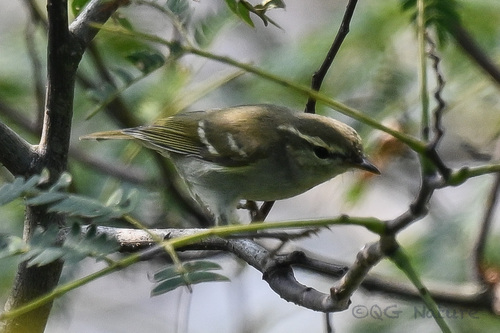 Two-barred Warbler
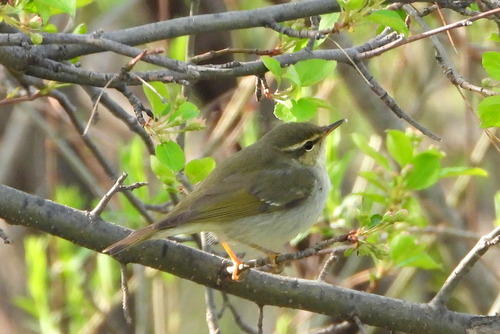 Luì boreale
In breve
Il segno di campo più affidabile per separare il Two-barred Warbler dal Luì boreale è il numero di barre alari: il Two-barred Warbler mostra sempre due barre alari chiare e distinte sulla parte superiore dell'ala (sulle copritrici maggiori e mediane), mentre il Luì boreale ha solo una singola barra alare. Questa differenza è visibile in tutte le età e piumaggi, sia in posizione per lo più che in volo. Strutturalmente, il Luì boreale è leggermente più grande e ha un becco notevolmente più pesante, simile a un pugnale, con una punta scura sulla mandibola inferiore, che il Two-barred Warbler non ha. Entrambe le specie sono luì con parti superiori verdeggianti simili e parti inferiori chiare, quindi è essenziale prestare attenzione al modello delle ali e alla struttura del becco. Le vocalizzazioni e le preferenze di habitat possono aiutare nel contesto, ma sono meno diagnostiche rispetto al modello delle ali e alla forma del becco.
Consigli di identificazione
- Count the wing bars: Il Two-barred Warbler mostra sempre due barre alari chiare (sulle copritrici mediane e maggiori), mentre il Luì boreale ha solo una (sulle copritrici maggiori). Questo è il segno più affidabile per tutte le età e in tutte le stagioni.
- Check the bill: Il Luì boreale ha un becco notevolmente più pesante, simile a un pugnale, con una punta scura sulla mandibola inferiore. Il becco del Two-barred Warbler è più fine e privo della punta scura. Questo è meglio visibile da vicino o in buona luce.
- Look for overall size: Il Luì boreale è leggermente più grande e robusto del Two-barred Warbler, ma questa differenza può essere sottile e non sempre affidabile a meno che gli uccelli non siano affiancati.
- Assess upperpart color: Entrambe le specie sono grigio-verdi sopra e bianco sporco sotto; il colore non è un separatore affidabile.
- Examine the underparts: Entrambe le specie sono chiare sotto senza marcature forti; il colore delle parti inferiori non le separa.
- Perched vs. in-flight views: Le barre alari sono visibili sia negli uccelli in posizione per lo più che in volo, ma possono essere particolarmente chiare in buona luce o quando l'uccello sbatte le ali.
- Juvenile and adult comparison: Il modello delle ali a due barre contro una barra è valido sia per gli adulti che per i giovani, quindi l'età non influisce su questo segno.
- Listen for song: Se senti un trillo veloce, è probabile che si tratti di un Luì boreale, poiché questo è caratteristico della specie. L'assenza di canto o richiami non è diagnostica.
- Consider bill color: La punta scura sulla mandibola inferiore è un segno sottile ma utile per il Luì boreale, assente nel Two-barred Warbler.
- Habitat and range: Se sei in Alaska o nel Palearctico occidentale, è più probabile che tu incontri il Luì boreale; in Siberia orientale, Mongolia o Manciukuò, è più probabile incontrare il Two-barred Warbler. Nelle zone di sovrapposizione, fai affidamento sul piumaggio e sulla struttura.
- Ignore leg color: Non si nota alcuna differenza affidabile nel colore delle gambe tra queste due specie.
- Do not rely on behavior: Entrambe le specie si comportano in modo simile, quindi lo stile di alimentazione e il movimento non sono utili.
- Sex and season: Non ci sono forti differenze di piumaggio sessuale o stagionale in nessuna delle due specie che aiutino a separarle.
- Avoid confusion with Luì verdastro: Entrambe le specie possono essere confuse con il Luì verdastro, ma all'interno di questa coppia, concentrati sulle barre alari e sulla struttura del becco.
- Photograph for later review: Se hai dubbi, una foto chiara della parte superiore dell'ala e del becco può confermare l'identificazione in seguito.
Taglia
Il Luì boreale è leggermente più grande nel complesso rispetto al Two-barred Warbler, con un becco più pesante e robusto. Questa differenza di dimensioni può essere sottile sul campo, ma il becco del Luì boreale è visibilmente più spesso e appuntito, specialmente quando visto bene. Entrambe le specie sono piccoli luì, quindi la dimensione da sola è raramente diagnostica senza un confronto diretto.
Piumaggio
La principale differenza di piumaggio in tutte le età è il modello delle ali: il Two-barred Warbler mostra sempre due barre alari chiare e distinte (sulle copritrici mediane e maggiori), mentre il Luì boreale ha solo una singola barra alare (sulle copritrici maggiori). Questo è vero sia per gli adulti che per i giovani, ed è visibile sia in posizione per lo più che in volo. Altrimenti, entrambe le specie sono grigio-verdi sopra e bianco sporco sotto, senza forti differenze nella colorazione generale. Il becco del Luì boreale è più pesante e ha una punta scura sulla mandibola inferiore, che non è presente nel Two-barred Warbler. Non ci sono altre caratteristiche di piumaggio che siano affidabilmente diagnostiche tra queste due specie.
Comportamento
Entrambe le specie si comportano come tipici luì, foraggiando attivamente tra il fogliame e spesso sbattendo le ali. Non ci sono forti differenze comportamentali notate tra le due, quindi il comportamento non è un segno affidabile per la separazione.
Habitat
Il Luì boreale nidifica in foreste di betulle o miste di betulle vicino all'acqua in tutta la Fennoscandia, nel Palearctico settentrionale e in Alaska, e sverna nel sud-est asiatico. Il Two-barred Warbler nidifica nel nord della Mongolia, in Manciukuò e nel sud della Siberia, con abitudini migratorie simili. Anche se i loro areali si sovrappongono in alcune aree, il Luì boreale è più probabile nel Palearctico occidentale estremo e in Alaska, mentre il Two-barred Warbler è più orientale. L'habitat da solo non è diagnostico dove gli areali si sovrappongono, ma può supportare l'identificazione in situazioni fuori dal range.
Voce
Il Luì boreale ha un canto a trillo veloce, che è distintivo se ascoltato bene. Non c'è una descrizione vocale specifica per il Two-barred Warbler nelle note fornite, quindi la voce è meno utile per la separazione a meno che il trillo del Luì boreale non venga chiaramente udito.