

papagaio-do-mar-de-penachos vs mainato-de-poupa
Fratercula cirrhata versus Acridotheres cristatellus
Jogue um quiz com papagaio-do-mar-de-penachos e mainato-de-poupa
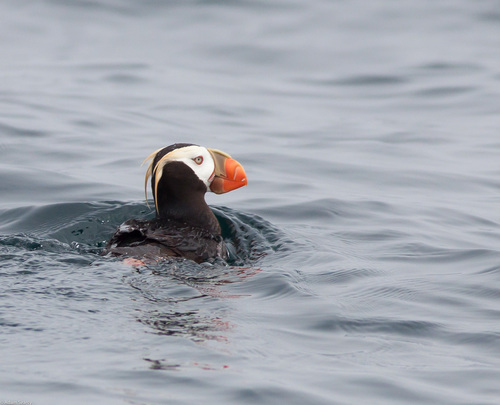 papagaio-do-mar-de-penachos
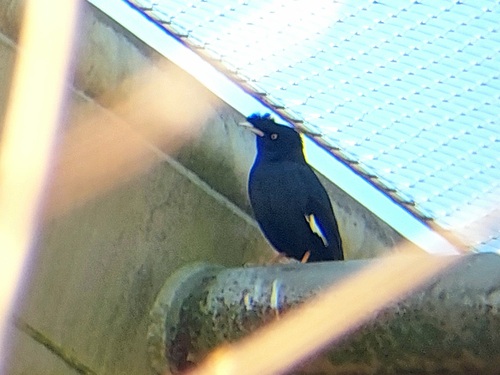 mainato-de-poupa
Em resumo
A marca de campo mais confiável que separa o papagaio-do-mar-de-penachos do mainato-de-poupa é o bico grosso e vermelho brilhante do papagaio-do-mar e os longos tufos faciais amarelos em adultos em reprodução, em contraste com o bico esbelto e amarelo pálido do mainato e a crista curta e voltada para frente. Em voo, os jovens papagaios-do-mar-de-penachos não têm os tufos, mas ainda mostram um rosto pesado e pálido e um bico grosso, enquanto os mainatos-de-poupa revelam manchas brancas nas asas e caudas com pontas brancas, que os papagaios nunca mostram. Os papagaios-do-mar-de-penachos são muito maiores, mais robustos e estritamente pelágicos, enquanto os mainatos-de-poupa têm o tamanho de corvos, são terrestres e frequentemente vistos em ambientes urbanos ou agrícolas. Mesmo aves imaturas são melhor separadas pela estrutura geral, forma do bico e estilo de voo.
Dicas de identificação
- Forma e Cor do Bico (Todas as Idades): O papagaio-do-mar-de-penachos sempre tem um bico profundo e grosso—vermelho brilhante com um pouco de amarelo em adultos, mais opaco em juvenis. O mainato-de-poupa tem um bico esbelto, afiado e amarelo pálido (às vezes verde-amarelado em algumas subespécies), nunca grosso ou profundo. Isso é diagnóstico em qualquer idade.
- Características Faciais (Adulto em Reprodução): Os adultos papagaios-do-mar-de-penachos mostram longos tufos amarelos caídos e um rosto branco marcante—nenhum mainato mostra essa combinação. Os mainatos-de-poupa têm uma crista curta e ereta na testa, que não se estende para trás, e nunca têm um rosto branco.
- Contraste Juvenil/Imaturo: Os jovens papagaios-do-mar-de-penachos não têm tufos, mas têm um rosto pálido e um bico grosso. Os jovens mainatos-de-poupa são acastanhados, não têm um rosto pálido e têm uma crista fraca e olhos azul-acinzentados. Se você ver uma ave jovem com rosto pálido e bico grosso, é um papagaio.
- Padrão de Asa em Voo (Todas as Idades): Os mainatos-de-poupa mostram manchas brancas ousadas nas asas e cauda com pontas brancas em voo, especialmente óbvias quando a ave está voando para longe ou fazendo curvas. Os papagaios-do-mar-de-penachos têm asas e cauda uniformemente escuras, sem manchas ou pontas brancas em qualquer idade ou estação.
- Tamanho e Estrutura do Corpo: O papagaio-do-mar-de-penachos é muito maior e mais robusto que o mainato-de-poupa, com uma cauda curta e peito profundo. Os mainatos têm o tamanho de corvos, são mais esbeltos, com um corpo mais alongado e cauda mais longa.
- Cor das Pernas e Pés (Adulto em Reprodução): Os papagaios têm pés vermelhos brilhantes na estação de reprodução; os mainatos têm pernas amarelas escuras opacas durante todo o ano.
- Contexto do Habitat: Os papagaios nunca são encontrados em áreas interiores ou em ambientes urbanos/agriculturais. Qualquer ave vista longe do mar é quase certamente um mainato. Por outro lado, qualquer ave vista no mar ou em um penhasco remoto é um papagaio.
- Postura Empoleirada: Os papagaios raramente são vistos empoleirados, exceto em penhascos ou entradas de tocas, onde parecem baixos e pesados. Os mainatos empoleiram-se eretos em fios, galhos ou telhados.
- Estilo de Voo: Os papagaios têm batidas de asas rápidas e diretas e voam baixo sobre a água. Os mainatos têm voo ondulante com planagens e mostram flashes brancos nas asas.
- Padrão da Cauda: Os mainatos têm penas da cauda com pontas brancas (exceto o par central), visíveis quando abertas ou em voo. Os papagaios têm uma cauda uniformemente escura.
- Dimorfismo Sexual: Ambas as espécies mostram pouco dimorfismo sexual, mas os machos mainatos têm uma crista ligeiramente maior. Isso é sutil e não é uma marca de campo primária.
- Mudanças Sazonais: Os papagaios perdem seus tufos amarelos e a luminosidade do bico fora da estação de reprodução, mas mantêm o bico grosso e o rosto pálido. Os mainatos não têm mudanças sazonais de plumagem fortes.
- Cor dos Olhos: Os mainatos adultos têm olhos laranja; os juvenis têm azul-acinzentado. A cor dos olhos do papagaio não é diagnóstica.
- Forma da Crista: Os tufos do papagaio são longos e se inclinam para trás (apenas em adultos em reprodução), enquanto a crista do mainato é curta, ereta e voltada para frente.
- Armadilhas: Papagaios imaturos sem tufos podem ser confundidos com mainatos à distância, mas a forma do bico, o rosto pálido e a falta de manchas/pontas brancas nas asas e cauda são sempre confiáveis.
Tamanho
O papagaio-do-mar-de-penachos é substancialmente maior e mais pesado (massa corporal ~774g) que o mainato-de-poupa (não listado, mas os mainatos típicos pesam 100–140g). Os papagaios têm cerca de 35 cm de comprimento e são robustos, com uma aparência de peito profundo, pescoço curto e compacto. Os mainatos-de-poupa têm o tamanho de corvos, são mais esbeltos, com um corpo mais alongado e cauda mais longa. A diferença de tamanho é impressionante em qualquer comparação direta, e mesmo à distância, o volume e a cauda curta do papagaio se destacam em relação às proporções mais típicas do mainato.
Plumagem
-
Juvenil/Imaturo: Os jovens papagaios-do-mar-de-penachos não têm os tufos amarelos característicos e têm um peito acinzentado mais opaco que desbota para branco na barriga, com um bico amarelo-acastanhado raso. Seu rosto permanece pálido, e o bico é sempre grosso e profundo. Os jovens mainatos-de-poupa são acastanhados no geral, com uma crista mal desenvolvida e olhos azul-acinzentados, sem qualquer mancha facial pálida ou bico grosso. Em voo, os jovens mainatos mostram manchas brancas nas asas e caudas com pontas brancas, que estão ausentes em papagaios de qualquer idade.
-
Adulto em Reprodução: Os adultos papagaios-do-mar-de-penachos são pretos com um rosto branco brilhante, bico vermelho grosso e longos tufos amarelos se inclinando para trás a partir do rosto. Os mainatos-de-poupa são pretos brilhantes com um brilho verde, uma crista curta voltada para frente e um bico esbelto e amarelo pálido. Os mainatos têm manchas brancas nas asas visíveis em voo e penas da cauda com pontas brancas (exceto o par central), enquanto os papagaios têm asas e cauda totalmente escuras.
-
Não-reprodução/Sazonal: Fora da estação de reprodução, os papagaios perdem os tufos amarelos e o bico e as pernas se tornam mais opacos, mas o rosto permanece pálido e o bico continua grosso. Os mainatos não mostram mudanças sazonais fortes, exceto por variações sutis na crista.
Comportamento
Os papagaios-do-mar-de-penachos são voadores fortes e diretos com batidas de asas rápidas, frequentemente vistos voando baixo sobre o oceano ou mergulhando para pegar peixes. Eles raramente são vistos empoleirados, exceto em colônias de reprodução, onde podem ser vistos em penhascos ou perto de entradas de tocas. Os mainatos-de-poupa são terrestres, frequentemente andando ou pulando no chão, forrageando em áreas abertas e empoleirando-se em fios, árvores ou edifícios. Seu voo é ondulante e menos direto, com planagens frequentes e flashes brancos visíveis nas asas. Os papagaios são estritamente aquáticos fora da estação de reprodução, enquanto os mainatos são altamente adaptados a paisagens urbanas e agrícolas.
Habitat
Os papagaios-do-mar-de-penachos são aves estritamente marinhas, reproduzindo-se em ilhas isoladas offshore e passando a maior parte de suas vidas no mar. Eles nunca são encontrados em áreas interiores ou em áreas urbanas. Os mainatos-de-poupa, em contraste, são aves terrestres do sudeste da China e Indochina, prosperando em campos abertos, terras agrícolas e especialmente em torno de cidades e vilarejos. Se você ver uma ave em uma cidade, campo ou empoleirada em um fio, é um mainato-de-poupa; se estiver em um penhasco ou no mar, é um papagaio-do-mar-de-penachos.
papagaio-do-mar-de-penachos · mainato-de-poupa · Minhas aves difíceis