

Tufted Puffin vs Crested Myna
Fratercula cirrhata contro Acridotheres cristatellus
Fai un quiz con Tufted Puffin e Crested Myna
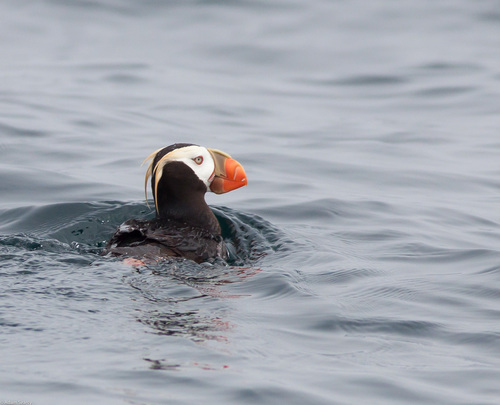 Tufted Puffin
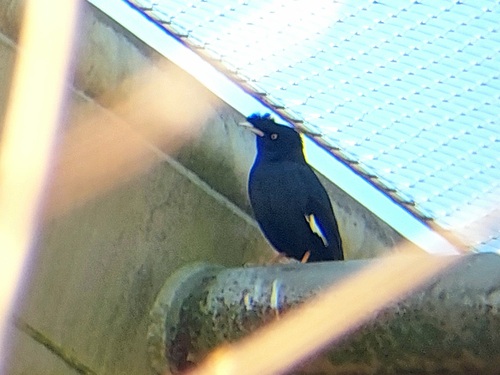 Crested Myna
In breve
Il segno distintivo più affidabile che separa il Tufted Puffin dal Crested Myna è il becco spesso e rosso brillante del puffin e i lunghi ciuffi gialli sul viso negli adulti in riproduzione, rispetto al becco snello e giallo pallido del myna e al ciuffo corto e rivolto in avanti. In volo, i puffin juvili mancano dei ciuffi ma mostrano comunque un viso pesante e pallido e un becco spesso, mentre i Crested Mynas rivelano macchie bianche sulle ali e code con punte bianche, che i puffin non mostrano mai. I Tufted Puffins sono molto più grandi, più robusti e strettamente pelagici, mentre i Crested Mynas sono delle dimensioni di un corvo, terrestri e spesso visti in ambienti urbani o agricoli. Anche gli uccelli immaturi sono meglio separati dalla struttura generale, dalla forma del becco e dallo stile di volo.
Consigli di identificazione
- Bill Shape and Color (All Ages): Il Tufted Puffin ha sempre un becco profondo e spesso—rosso brillante con un po' di giallo negli adulti, più opaco nei juvili. Il Crested Myna ha un becco snello, affilato e giallo pallido (a volte giallo-verde in alcune sottospecie), mai spesso o profondo. Questo è diagnostico a qualsiasi età.
- Facial Features (Breeding Adult): Gli adulti Tufted Puffins mostrano lunghi ciuffi gialli pendenti e un viso bianco netto—nessun myna mostra mai questa combinazione. I Crested Mynas hanno un ciuffo corto e eretto sulla fronte, che non si estende all'indietro, e non hanno mai un viso bianco.
- Juvenile/Immature Contrast: I juvili Tufted Puffins mancano di ciuffi ma hanno un viso pallido e un becco spesso. I juvili Crested Mynas sono brunastri, mancano di un viso pallido e hanno un ciuffo debole e occhi blu-grigi. Se vedi un giovane uccello con un viso pallido e un becco spesso, è un puffin.
- Wing Pattern in Flight (All Ages): I Crested Mynas mostrano macchie bianche audaci sulle ali e una coda con punte bianche in volo, particolarmente evidenti quando l'uccello sta volando via o sta virando. I Tufted Puffins hanno ali e coda uniformemente scure, senza macchie o punte bianche a qualsiasi età o stagione.
- Body Size and Structure: Il Tufted Puffin è molto più grande e robusto del Crested Myna, con una coda corta e un petto profondo. I Mynas sono delle dimensioni di un corvo, più snelli, con una coda più lunga e una postura più eretta quando sono posati.
- Leg and Foot Color (Breeding Adult): I puffin hanno piedi rossi brillanti durante la stagione di riproduzione; i mynas hanno gambe giallo scuro opache tutto l'anno.
- Habitat Context: I puffin non si trovano mai nell'entroterra o in ambienti urbani/agricoli. Qualsiasi uccello visto lontano dal mare è quasi certamente un myna. Al contrario, qualsiasi uccello visto in mare o su una scogliera remota è un puffin.
- Perched Posture: I puffin sono raramente visti posati tranne che su scogliere o ingressi di tane, dove appaiono tozzi e pesanti. I mynas si posano eretti su fili, rami o tetti.
- Flight Style: I puffin hanno battiti d'ali rapidi e diretti e volano bassi sull'acqua. I mynas hanno un volo ondulato con glides e mostrano lampi bianchi sulle ali.
- Tail Pattern: I mynas hanno piume della coda con punte bianche (eccetto la coppia centrale), visibili quando sono aperte o in volo. I puffin hanno una coda uniformemente scura.
- Sexual Dimorphism: Entrambe le specie mostrano poco dimorfismo sessuale, ma i maschi mynas hanno un ciuffo leggermente più grande. Questo è sottile e non è un segno distintivo principale.
- Seasonal Changes: I puffin perdono i loro ciuffi gialli e la brillantezza del becco al di fuori della stagione di riproduzione, ma mantengono il becco spesso e il viso pallido. I mynas non mostrano forti cambiamenti nel piumaggio stagionale.
- Eye Color: I mynas adulti hanno occhi arancioni; i juvili hanno occhi blu-grigi. Il colore degli occhi del puffin non è diagnostico.
- Crest Shape: I ciuffi del puffin sono lunghi e si piegano all'indietro (solo negli adulti in riproduzione), mentre il ciuffo del myna è corto, eretto e rivolto in avanti.
- Pitfalls: I puffin immaturi senza ciuffi possono essere scambiati per mynas a distanza, ma la forma del becco, il viso pallido e la mancanza di macchie/punte bianche sulle ali/coda sono sempre affidabili.
Taglia
Il Tufted Puffin è sostanzialmente più grande e più pesante (massa corporea ~774g) del Crested Myna (non elencato, ma i mynas tipici pesano 100–140g). I puffin sono lunghi circa 35 cm e robusti, con un aspetto compatto, dal petto profondo e dal collo corto. I Crested Mynas sono delle dimensioni di un corvo, più snelli, con un corpo più allungato e una coda più lunga. La differenza di dimensioni è sorprendente in qualsiasi confronto diretto, e anche a distanza, il volume e la coda corta del puffin si distinguono rispetto alle proporzioni più tipiche del passeriforme del myna.
Piumaggio
-
Juvenile/Immature: I juvili Tufted Puffins mancano dei caratteristici ciuffi gialli e hanno un petto bruno-grigiastro più opaco che sfuma in bianco sull'addome, con un becco giallo-bruno poco profondo. Il loro viso rimane pallido e il becco è sempre spesso e profondo. I juvili Crested Mynas sono brunastri in generale, con un ciuffo poco sviluppato e occhi blu-grigi, privi di qualsiasi macchia facciale pallida o becco spesso. In volo, i giovani mynas mostrano macchie bianche sulle ali e code con punte bianche, che sono assenti nei puffin di qualsiasi età.
-
Adult Breeding: Gli adulti Tufted Puffins sono neri con un viso bianco brillante, un becco rosso spesso e lunghi ciuffi gialli che si piegano all'indietro dal viso. I Crested Mynas sono neri lucidi con una lucentezza verde, un ciuffo corto rivolto in avanti e un becco snello giallo pallido. I mynas hanno macchie bianche sulle ali visibili in volo e piume della coda con punte bianche (eccetto la coppia centrale), mentre i puffin hanno ali e coda completamente scure.
-
Non-breeding/Seasonal: Al di fuori della stagione di riproduzione, i puffin perdono i ciuffi gialli e il becco e le gambe diventano più opachi, ma il viso rimane pallido e il becco rimane spesso. I mynas non mostrano forti cambiamenti stagionali eccetto per lievi variazioni del ciuffo.
Comportamento
I Tufted Puffins sono forti volatori diretti con battiti d'ali rapidi, spesso visti volare bassi sull'oceano o tuffarsi per pesci. Sono raramente visti posati tranne che nelle colonie di riproduzione, dove possono essere visti su scogliere o vicino agli ingressi delle tane. I Crested Mynas sono terrestri, spesso camminano o saltano a terra, foraggiando in aree aperte e posandosi su fili, alberi o edifici. Il loro volo è ondulato e meno diretto, con frequenti planate e lampi bianchi visibili sulle ali. I puffin sono strettamente acquatici al di fuori della stagione di riproduzione, mentre i mynas sono altamente adattati a paesaggi urbani e agricoli.
Habitat
I Tufted Puffins sono uccelli marini strettamente, riproducendosi su isole offshore isolate e trascorrendo la maggior parte della loro vita in mare. Non si trovano mai nell'entroterra o in aree urbane. I Crested Mynas, al contrario, sono uccelli di terra del sud-est della Cina e dell'Indocina, prosperando in campagna aperta, terreni agricoli e soprattutto intorno a città e paesi. Se vedi un uccello in una città, in un campo o posato su un filo, è un Crested Myna; se è su una scogliera o in mare, è un Tufted Puffin.