

Frailecillo Coletudo vs Miná Crestado
Fratercula cirrhata frente a Acridotheres cristatellus
Juega un quiz con Frailecillo Coletudo y Miná Crestado
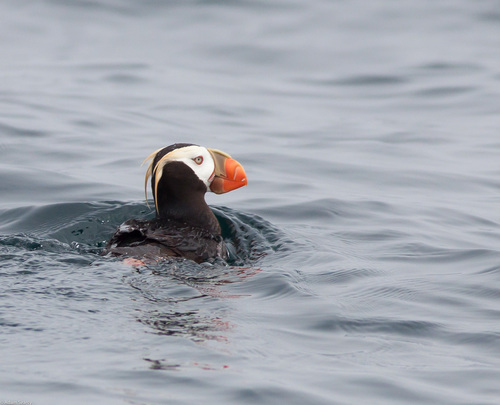 Frailecillo Coletudo
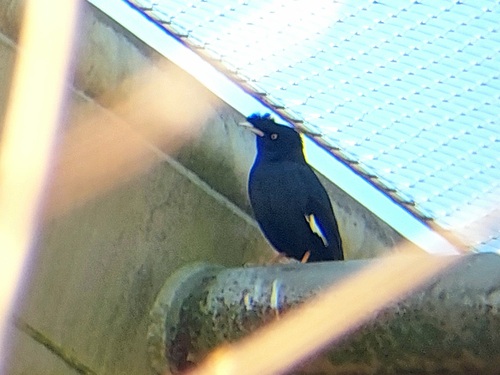 Miná Crestado
En breve
La marca de campo más confiable que separa al Frailecillo Coletudo del Miná Crestado es el grueso y brillante pico rojo del frailecillo y los largos mechones faciales amarillos en los adultos en época de cría, frente al pico delgado y pálido del miná y la corta cresta que apunta hacia adelante. En vuelo, los frailecillos coletudos juveniles carecen de los mechones pero aún muestran una cara pesada y pálida y un pico grueso, mientras que los minás crestados revelan parches de alas blancos y colas con puntas blancas, que los frailecillos nunca muestran. Los frailecillos coletudos son mucho más grandes, más robustos y estrictamente pelágicos, mientras que los minás crestados son del tamaño de un cuervo, terrestres y a menudo se ven en entornos urbanos o agrícolas. Incluso las aves inmaduras se separan mejor por su estructura general, forma del pico y estilo de vuelo.
Consejos de identificación
- Forma y Color del Pico (Todas las Edades): El Frailecillo Coletudo siempre tiene un pico profundo y grueso—brillante rojo con algo de amarillo en los adultos, más apagado en los juveniles. El Miná Crestado tiene un pico delgado, afilado y de color amarillo pálido (a veces amarillento-verdosos en algunas subespecies), nunca grueso o profundo. Esto es diagnóstico a cualquier edad.
- Características Faciales (Adulto en Época de Cría): Los adultos Frailecillos Coletudos muestran largos mechones amarillos que caen y una cara blanca brillante—ningún miná muestra jamás esta combinación. Los Minás Crestados tienen una cresta corta y erguida en la frente, que no se extiende hacia atrás, y nunca tienen una cara blanca.
- Contraste Juvenil/Inmaduro: Los Frailecillos Coletudos juveniles carecen de mechones pero tienen una cara pálida y un pico grueso. Los Minás Crestados juveniles son de color marrón, carecen de una cara pálida y tienen una cresta débil y ojos azul-grisáceos. Si ves un ave joven con cara pálida y pico grueso, es un frailecillo.
- Patrón de Alas en Vuelo (Todas las Edades): Los Minás Crestados muestran parches de alas blancos audaces y cola con puntas blancas en vuelo, especialmente obvio cuando el ave vuela lejos o se inclina. Los Frailecillos Coletudos tienen alas y cola uniformemente oscuras, sin parches o puntas blancas a cualquier edad o estación.
- Tamaño y Estructura del Cuerpo: El Frailecillo Coletudo es mucho más grande y robusto que el Miná Crestado, con una cola corta y un pecho profundo. Los minás son del tamaño de un cuervo, más delgados, con un cuerpo más alargado y una cola más larga.
- Color de Piernas y Pies (Adulto en Época de Cría): Los frailecillos tienen pies rojos brillantes en la temporada de cría; los minás tienen piernas de un amarillo oscuro apagado durante todo el año.
- Contexto de Hábitat: Los frailecillos nunca se encuentran en el interior o en entornos urbanos/agricolas. Cualquier ave vista lejos del mar es casi seguramente un miná. Por el contrario, cualquier ave vista en el mar o en un acantilado remoto es un frailecillo.
- Postura en Percha: Los frailecillos rara vez se ven posados excepto en acantilados o entradas de madrigueras, donde parecen bajos y pesados. Los minás se posan erguidos en cables, ramas o techos.
- Estilo de Vuelo: Los frailecillos tienen batidos de alas rápidos y directos y vuelan bajo sobre el agua. Los minás tienen un vuelo ondulante con planeos y muestran destellos de alas blancas.
- Patrón de Cola: Los minás tienen plumas de cola con puntas blancas (excepto el par central), visibles cuando se despliegan o en vuelo. Los frailecillos tienen una cola uniformemente oscura.
- Dimorfismo Sexual: Ambas especies muestran poco dimorfismo sexual, pero los minás machos tienen una cresta ligeramente más grande. Esto es sutil y no es una marca de campo primaria.
- Cambios Estacionales: Los frailecillos pierden sus mechones amarillos y el brillo del pico fuera de la temporada de cría, pero mantienen el pico grueso y la cara pálida. Los minás no tienen cambios de plumaje estacionales fuertes.
- Color de Ojos: Los minás adultos tienen ojos naranjas; los juveniles tienen azul-grisáceo. El color de los ojos del frailecillo no es diagnóstico.
- Forma de la Cresta: Los mechones del frailecillo son largos y se barreran hacia atrás (solo en adultos en época de cría), mientras que la cresta del miná es corta, erguida y apunta hacia adelante.
- Trampas: Los frailecillos inmaduros sin mechones pueden confundirse con minás a distancia, pero la forma del pico, la cara pálida y la falta de parches/puntas blancas en las alas y la cola son siempre confiables.
Tamaño
El Frailecillo Coletudo es sustancialmente más grande y pesado (masa corporal ~774g) que el Miná Crestado (no listado, pero los minás típicos son de 100–140g). Los frailecillos miden aproximadamente 35 cm de largo y son robustos, con una apariencia de pecho profundo, cuello corto y compacto. Los Minás Crestados son del tamaño de un cuervo, más delgados, con un cuerpo más alargado y una cola más larga. La diferencia de tamaño es notable en cualquier comparación directa, e incluso a distancia, la robustez y la cola corta del frailecillo destacan frente a las proporciones más típicas de un paseriforme del miná.
Plumaje
-
Juvenil/Inmaduro: Los Frailecillos Coletudos juveniles carecen de los mechones amarillos característicos y tienen un pecho de color marrón grisáceo más apagado que se desvanece a blanco en el abdomen, con un pico amarillento-marrón poco profundo. Su cara permanece pálida, y el pico siempre es grueso y profundo. Los Minás Crestados juveniles son de color marrón en general, con una cresta poco desarrollada y ojos azul-grisáceos, careciendo de cualquier parche facial pálido o pico grueso. En vuelo, los minás jóvenes muestran parches de alas blancos y colas con puntas blancas, que están ausentes en los frailecillos de cualquier edad.
-
Adulto en Época de Cría: Los Frailecillos Coletudos adultos son negros con una cara blanca brillante, pico rojo grueso y largos mechones amarillos que se barreran hacia atrás desde la cara. Los Minás Crestados son de un negro brillante con un brillo verde, una cresta corta que apunta hacia adelante y un pico delgado de color amarillo pálido. Los minás tienen parches de alas blancos visibles en vuelo y plumas de cola con puntas blancas (excepto el par central), mientras que los frailecillos tienen alas y cola completamente oscuras.
-
Fuera de Época de Cría/Estacional: Fuera de la temporada de cría, los frailecillos pierden los mechones amarillos y el pico y las piernas se vuelven más apagados, pero la cara permanece pálida y el pico sigue siendo grueso. Los minás no muestran cambios estacionales fuertes excepto por una ligera variación en la cresta.
Comportamiento
Los Frailecillos Coletudos son voladores fuertes y directos con batidos de alas rápidos, a menudo vistos volando bajo sobre el océano o buceando por peces. Rara vez se ven posados excepto en colonias de cría, donde pueden ser vistos en acantilados o cerca de entradas de madrigueras. Los Minás Crestados son terrestres, a menudo caminando o saltando en el suelo, buscando alimento en áreas abiertas y posándose en cables, árboles o edificios. Su vuelo es ondulante y menos directo, con planeos frecuentes y destellos visibles de alas blancas. Los frailecillos son estrictamente acuáticos fuera de la temporada de cría, mientras que los minás están altamente adaptados a paisajes urbanos y agrícolas.
Hábitat
Los Frailecillos Coletudos son aves estrictamente marinas, criando en islas aisladas en alta mar y pasando la mayor parte de sus vidas en el mar. Nunca se encuentran en el interior o en áreas urbanas. Los Minás Crestados, en contraste, son aves terrestres del sureste de China e Indochina, prosperando en el campo abierto, tierras agrícolas y especialmente alrededor de pueblos y ciudades. Si ves un ave en una ciudad, campo o posada en un cable, es un Miná Crestado; si está en un acantilado o en el mar, es un Frailecillo Coletudo.