

tibetan sand-plover vs borrelho-grande-de-colar-ruivo
Anarhynchus atrifrons versus Anarhynchus leschenaultii
Jogue um quiz com tibetan sand-plover e borrelho-grande-de-colar-ruivo
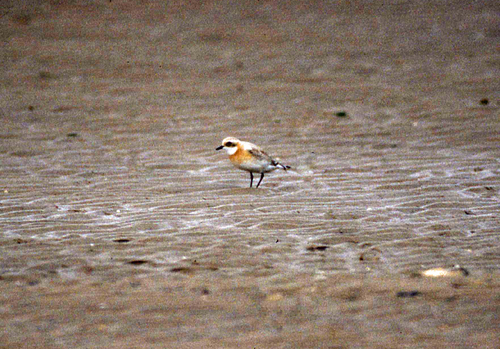 tibetan sand-plover
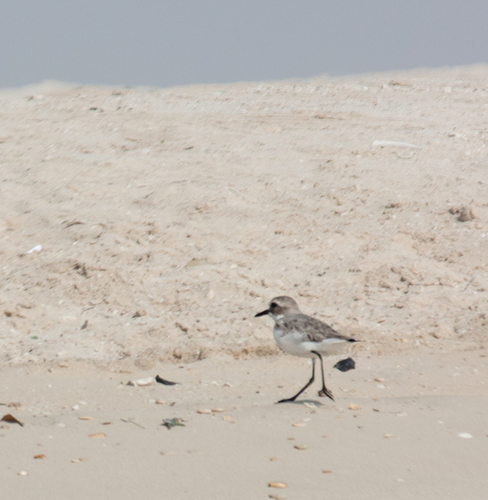 borrelho-grande-de-colar-ruivo
Em resumo
A marca de campo mais confiável entre o tibetan sand-plover e o borrelho-grande-de-colar-ruivo é a estrutura: o borrelho-grande-de-colar-ruivo é visivelmente maior, mais robusto, com pernas mais longas e um bico mais grosso, especialmente óbvio quando os dois estão lado a lado. Ambas as espécies apresentam padrões de plumagem semelhantes em todas as idades e estações, incluindo uma máscara preta e um peito laranja na plumagem de reprodução, e marrom acima/branco abaixo na plumagem de inverno e juvenil. Separá-los em campo é mais direto comparando o tamanho geral, o comprimento das pernas e a espessura do bico, já que as diferenças de plumagem são sutis e variáveis. Em aves solitárias ou bandos distantes, a identificação é desafiadora e muitas vezes requer uma combinação de estrutura e pistas contextuais.
Dicas de identificação
- Tamanho e estrutura são fundamentais: O borrelho-grande-de-colar-ruivo é maior, mais robusto e com pernas mais longas do que o tibetan sand-plover. Se você ver ambos juntos, a diferença geralmente é clara. Sozinho, procure uma postura robusta e ereta (Borrelho) em comparação com um plover de tamanho médio e mais delicado (Tibetan).
- Espessura do bico: O borrelho-grande-de-colar-ruivo tem um bico visivelmente mais grosso e pesado, mesmo em suas subespécies de bico menor. O bico do tibetan sand-plover é mais fino e mais proporcional à sua cabeça.
- Comprimento das pernas: As pernas do borrelho-grande-de-colar-ruivo são mais longas e mais conspícuas, dando-lhe uma aparência mais alta e ereta. Isso é especialmente visível quando as aves estão se banhando ou correndo.
- Máscara de plumagem de reprodução e faixa no peito: Ambas as espécies apresentam uma máscara preta e um peito laranja/rufoso na plumagem de reprodução. O laranja do borrelho-grande-de-colar-ruivo é mais variável (de fraco a forte) e pode se estender à testa e à nuca, enquanto o do tibetan sand-plover é descrito como laranja claro, especialmente nos machos. Essas diferenças são sutis e se sobrepõem.
- Diferenças sexuais na plumagem de reprodução: No tibetan sand-plover, os machos são mais claros que as fêmeas. No borrelho-grande-de-colar-ruivo, as fêmeas são mais opacas e cinzentas que os machos. Isso só é útil se o sexo puder ser determinado, o que é difícil em campo.
- Aves juvenis e de inverno: Ambas são marrons acima e brancas abaixo, com um pouco de branco na testa. Os juvenis do borrelho-grande-de-colar-ruivo podem mostrar um toque de rufoso na cabeça, mas isso não é uma marca de campo forte. Nenhuma diferença distintiva de padrão de asa superior ou de voo é descrita para imaturos.
- Cor das pernas e do bico: Ambas têm bicos pretos. As pernas do borrelho-grande-de-colar-ruivo são amarelo-esverdeadas; a cor das pernas do tibetan sand-plover não é especificada, mas provavelmente é semelhante, então não é um separador forte.
- Habitat e contexto: Se você está observando aves na faixa de reprodução em alta altitude (Planalto Tibetano, Pamir, Tian Shan), o tibetan sand-plover é mais provável. Em praias de planície na África ou no Sul da Ásia, ambas as espécies podem ocorrer, mas o borrelho-grande-de-colar-ruivo é frequentemente mais numeroso e óbvio em bandos mistos.
- Comparação direta: Em bandos mistos, procure as aves maiores, com pernas mais longas e bicos mais grossos (borrelho-grande-de-colar-ruivo) em comparação com indivíduos menores e mais delicados (tibetan sand-plover).
- Quando a identificação é difícil: Vagrantes solitários fora da faixa normal (por exemplo, Europa) são extremamente difíceis de separar sem comparação direta ou medições detalhadas; a estrutura é sua melhor pista.
- Sobreposição de plumagem: Esteja ciente de que as características da plumagem (máscara, faixa no peito, cor da parte superior) se sobrepõem muito entre as duas espécies e não são confiáveis por si só.
- Variação de subespécies: Algumas subespécies de borrelho-grande-de-colar-ruivo (especialmente A. l. columbinus) têm bicos menores e faixas de peito laranja mais fortes, fazendo-as parecer mais com o tibetan sand-plover. Use a estrutura primeiro.
- Sem padrão de voo distintivo: Nenhuma das espécies é descrita como tendo um padrão de asa superior ou de voo único em qualquer idade ou plumagem, então não confie nisso para separação.
- Voz: Nenhuma diferença vocal diagnóstica é descrita nas fontes fornecidas.
- Resumo: Sempre priorize o tamanho, a estrutura e a espessura do bico em relação aos detalhes da plumagem, especialmente quando as aves não estão lado a lado.
Tamanho
O borrelho-grande-de-colar-ruivo é distintamente maior (19–22 cm de comprimento), com uma construção mais robusta, pernas mais longas e um bico mais grosso do que o tibetan sand-plover, que é de tamanho médio para um plover. Essa diferença de tamanho é mais aparente em comparação direta, mas mesmo sozinho, o borrelho-grande-de-colar-ruivo muitas vezes parece mais robusto e ereto. O tamanho do bico varia entre as subespécies de borrelho-grande-de-colar-ruivo, mas mesmo as formas de bico menor tendem a ter bicos mais grossos do que o tibetan sand-plover. Ambas as espécies são maiores que o borrelho-grande-de-coleira, mas o borrelho-grande-de-colar-ruivo é o maior dos dois aqui.
Plumagem
- Plumagem juvenil e de inverno: Ambas as espécies têm partes superiores marrom claro e partes inferiores brancas, com um pouco de branco na testa e nas costas. Os juvenis do borrelho-grande-de-colar-ruivo e as aves não reprodutoras podem mostrar um toque de rufoso na cabeça, mas isso é sutil e nem sempre confiável. Nenhuma diferença distintiva de padrão de asa superior ou de voo é descrita para juvenis ou imaturos entre essas duas espécies nas fontes.
- Plumagem de reprodução: Ambas as espécies desenvolvem uma máscara preta e uma faixa no peito laranja ou rufosa no verão. O peito e o pescoço do tibetan sand-plover são descritos como laranja claro, com machos mais claros que as fêmeas. O laranja do borrelho-grande-de-colar-ruivo é variável: o peito, a testa e a nuca podem ser fortemente ou fracamente laranja dependendo da subespécie, com fêmeas mais opacas e cinzentas. Em ambas, o bico é preto e as pernas são amarelo-esverdeadas (borrelho-grande-de-colar-ruivo) ou não especificadas (tibetan sand-plover, mas provavelmente semelhantes).
Comportamento
Ambas as espécies se comportam como típicos plovers de areia: ativas, waders de movimento rápido, frequentemente vistas correndo e parando em mudflats abertos ou praias de areia. O borrelho-grande-de-colar-ruivo pode parecer mais ereto e robusto devido às suas pernas mais longas e construção mais robusta. Nenhuma diferença comportamental significativa é descrita nas fontes.
Habitat
Ambas as espécies se reproduzem nas terras altas da Ásia Central e invernam na África e no sul da Ásia, frequentemente compartilhando habitats semelhantes em áreas de migração e invernada: praias abertas de areia ou lama, estuários e praias. O tibetan sand-plover se reproduz em elevações mais altas (Planalto Tibetano, Pamir, Tian Shan), enquanto a faixa do borrelho-grande-de-colar-ruivo é mais ampla e inclui elevações mais baixas. Em bandos mistos nas praias indianas, as diferenças de tamanho e estrutura são mais aparentes.
tibetan sand-plover · borrelho-grande-de-colar-ruivo · Minhas aves difíceis