

Tibetan Sand-Plover vs Corriere di Leschenault
Anarhynchus atrifrons contro Anarhynchus leschenaultii
Fai un quiz con Tibetan Sand-Plover e Corriere di Leschenault
 Tibetan Sand-Plover
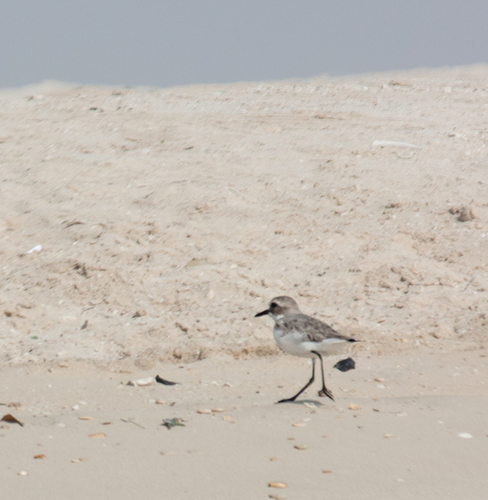 Corriere di Leschenault
In breve
Il segno di campo più affidabile tra il Tibetan Sand-Plover e il Corriere di Leschenault è la struttura: il Corriere di Leschenault è notevolmente più grande, più robusto, con zampe più lunghe e un becco più spesso, particolarmente evidente quando i due sono affiancati. Entrambe le specie mostrano schemi di piumaggio simili in tutte le età e stagioni, inclusa una maschera nera e un petto arancione in piumaggio nuziale, e marrone sopra/bianco sotto in piumaggi invernali e giovanili. Separarli sul campo è più semplice confrontando le dimensioni complessive, la lunghezza delle zampe e lo spessore del becco, poiché le differenze nel piumaggio sono sottili e variabili. In uccelli solitari o stormi distanti, l'identificazione è difficile e spesso richiede una combinazione di struttura e indizi contestuali.
Consigli di identificazione
- Dimensione e struttura sono fondamentali: Il Corriere di Leschenault è più grande, più robusto e con zampe più lunghe rispetto al Tibetan Sand-Plover. Se vedi entrambi insieme, la differenza è solitamente chiara. Da solo, cerca una postura robusta e eretta (Corriere) rispetto a un plover più delicato e di dimensioni medie (Tibetan).
- Spessore del becco: Il Corriere di Leschenault ha un becco notevolmente più spesso e pesante, anche nelle sue sottospecie con becco più piccolo. Il becco del Tibetan Sand-Plover è più fine e più proporzionato alla sua testa.
- Lunghezza delle zampe: Le zampe del Corriere di Leschenault sono più lunghe e più evidenti, conferendogli un aspetto più alto e eretto. Questo è particolarmente visibile quando gli uccelli stanno cercando cibo o correndo.
- Maschera e banda del petto in piumaggio nuziale: Entrambe le specie mostrano una maschera nera e un petto arancione/rufous in piumaggio nuziale. L'arancione del Corriere di Leschenault è più variabile (da debole a forte) e può estendersi alla fronte e alla nuca, mentre quello del Tibetan Sand-Plover è descritto come arancione chiaro, specialmente nei maschi. Queste differenze sono sottili e si sovrappongono.
- Differenze sessuali in piumaggio nuziale: Nel Tibetan Sand-Plover, i maschi sono più chiari delle femmine. Nel Corriere di Leschenault, le femmine sono più opache e grigie rispetto ai maschi. Questo è utile solo se il sesso può essere determinato, il che è difficile sul campo.
- Uccelli giovanili e invernali: Entrambi sono marroni sopra e bianchi sotto, con un po' di bianco sulla fronte. I giovani del Corriere di Leschenault possono mostrare un accenno di rufous sulla testa, ma questo non è un segno di campo forte. Non sono descritte differenze distintive nel piumaggio superiore o nel pattern di volo per gli immaturi.
- Colore delle zampe e del becco: Entrambi hanno becchi neri. Le zampe del Corriere di Leschenault sono giallo-verdi; il colore delle zampe del Tibetan Sand-Plover non è specificato ma probabilmente simile, quindi non è un forte separatore.
- Habitat e contesto: Se stai osservando uccelli nell'area di nidificazione ad alta quota (Pianura tibetana, Pamir, Tian Shan), il Tibetan Sand-Plover è più probabile. Sulle spiagge di pianura in Africa o nel sud dell'Asia, entrambe le specie possono verificarsi, ma il Corriere di Leschenault è spesso più numeroso e evidente in stormi misti.
- Confronto diretto: In stormi misti, cerca gli uccelli più grandi, con zampe più lunghe e becco più spesso (Corriere di Leschenault) rispetto a individui più piccoli e più delicati (Tibetan Sand-Plover).
- Quando l'identificazione è difficile: I vagranti solitari al di fuori dell'area normale (ad es., Europa) sono estremamente difficili da separare senza un confronto diretto o misurazioni dettagliate; la struttura è il tuo miglior indizio.
- Sovrapposizione del piumaggio: Sii consapevole che le caratteristiche del piumaggio (maschera, banda del petto, colore della parte superiore) si sovrappongono notevolmente tra le due specie e non sono affidabili da sole.
- Variazione delle sottospecie: Alcune sottospecie di Corriere di Leschenault (soprattutto A. l. columbinus) hanno becchi più piccoli e bande del petto arancioni più forti, facendoli sembrare più simili al Tibetan Sand-Plover. Usa prima la struttura.
- Nessun pattern di volo distintivo: Nessuna delle due specie è descritta come avente un pattern di volo o un'ala superiore unico in qualsiasi età o piumaggio, quindi non fare affidamento su questo per la separazione.
- Voce: Non sono descritte differenze vocali diagnostiche nelle fonti fornite.
- Riepilogo: Dai sempre priorità a dimensione, struttura e spessore del becco rispetto ai dettagli del piumaggio, specialmente quando gli uccelli non sono affiancati.
Taglia
Il Corriere di Leschenault è nettamente più grande (19–22 cm di lunghezza), con una struttura più robusta, zampe più lunghe e un becco più spesso rispetto al Tibetan Sand-Plover, che è di dimensioni medie per un plover. Questa differenza di dimensioni è più evidente nel confronto diretto, ma anche singolarmente, il Corriere di Leschenault appare spesso più robusto e eretto. La dimensione del becco varia tra le sottospecie del Corriere di Leschenault, ma anche le forme con becco più piccolo tendono ad avere un becco più spesso rispetto al Tibetan Sand-Plover. Entrambe le specie sono più grandi del Corriere grosso, ma il Corriere di Leschenault è il più grande dei due qui.
Piumaggio
- Piumaggio giovanile e invernale: Entrambe le specie hanno parti superiori marroni chiare e parti inferiori bianche, con un po' di bianco sulla fronte e sulla schiena. I giovani del Corriere di Leschenault e gli uccelli non in riproduzione possono mostrare un accenno di rufous sulla testa, ma questo è sottile e non sempre affidabile. Non sono descritte differenze distintive nel piumaggio superiore o nel pattern di volo per i giovanili o gli immaturi tra queste due specie nelle fonti.
- Piumaggio nuziale: Entrambe le specie sviluppano una maschera nera e una banda del petto arancione o rufous in estate. Il petto e il collo del Tibetan Sand-Plover sono descritti come arancioni chiari, con i maschi più chiari delle femmine. L'arancione del Corriere di Leschenault è variabile: il petto, la fronte e la nuca possono essere fortemente o debolmente arancioni a seconda della sottospecie, con le femmine più opache e grigie. In entrambi, il becco è nero e le zampe sono giallo-verdi (Corriere di Leschenault) o non specificate (Tibetan Sand-Plover, ma probabilmente simili).
Comportamento
Entrambe le specie si comportano come tipici plover sabbiosi: attivi, rapidi, spesso visti correre e fermarsi su fanghi aperti o spiagge sabbiose. Il Corriere di Leschenault può apparire più eretto e robusto a causa delle sue zampe più lunghe e della sua struttura più robusta. Non sono descritte differenze comportamentali significative nelle fonti.
Habitat
Entrambe le specie nidificano negli altipiani dell'Asia centrale e svernano in Africa e nel sud dell'Asia, spesso condividendo habitat simili durante la migrazione e nei terreni di svernamento: spiagge aperte sabbiose o fangose, estuari e spiagge. Il Tibetan Sand-Plover nidifica a quote più elevate (Pianura tibetana, Pamir, Tian Shan), mentre l'areale del Corriere di Leschenault è più ampio e include altitudini più basse. Negli stormi misti sulle spiagge indiane, le differenze di dimensione e struttura sono più evidenti.
Tibetan Sand-Plover · Corriere di Leschenault · I miei uccelli difficili