

Motmot

チベットメダイチドリ 対 オオメダイチドリ

Anarhynchus atrifrons 対 Anarhynchus leschenaultii

チベットメダイチドリとオオメダイチドリのクイズ
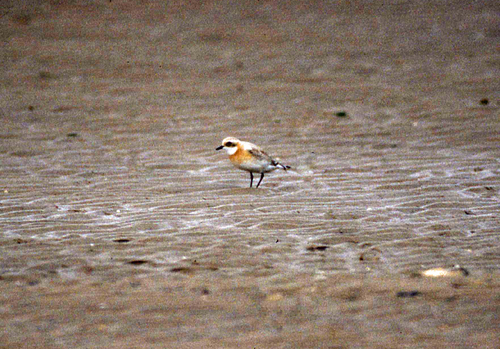
チベットメダイチドリ (Anarhynchus atrifrons) チベットメダイチドリ
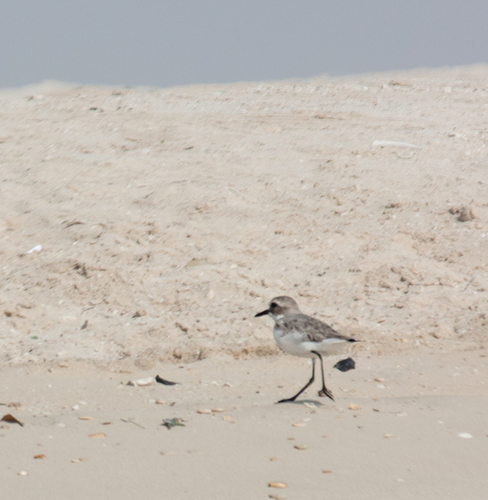
オオメダイチドリ (Anarhynchus leschenaultii) オオメダイチドリ

メディア

読み込み中…

要点

チベットメダイチドリとオオメダイチドリの最も信頼できるフィールドマークは構造です:オオメダイチドリは明らかに大きく、ずんぐりしており、脚が長く、くちばしが太いです。特に2羽が並んでいるときに顕著です。両種はすべての年齢と季節で似たような羽毛パターンを示し、繁殖羽では黒いマスクとオレンジ色の胸を持ち、冬と幼鳥の羽毛では上が茶色、下が白です。フィールドでの識別は、全体のサイズ、脚の長さ、くちばしの太さを比較することで最も簡単です。羽毛の違いは微妙で変動します。孤立した鳥や遠くの群れでは、識別が難しく、構造と文脈の手がかりの組み合わせがしばしば必要です。

識別のコツ

  1. サイズと構造が重要です: オオメダイチドリはチベットメダイチドリよりも大きく、ずんぐりしており、脚が長いです。両方を一緒に見ると、違いは通常明確です。単独の場合は、頑丈で直立した姿勢(オオメダイチドリ)と、より繊細で中型のコチドリ(チベットメダイチドリ)を探してください。
  2. くちばしの太さ: オオメダイチドリは、最も小さなくちばしの亜種でも明らかに太く、重いくちばしを持っています。チベットメダイチドリのくちばしは細く、頭に対してより比例しています。
  3. 脚の長さ: オオメダイチドリの脚は長く、目立ち、より高く、直立した外観を与えます。これは、鳥が水に浸かっているときや走っているときに特に目立ちます。
  4. 繁殖羽のマスクと胸のバンド: 両種は繁殖羽で黒いマスクとオレンジ色または赤褐色の胸を示します。オオメダイチドリのオレンジ色はより変動があり(弱いものから強いものまで)、額やうなじにまで広がることがありますが、チベットメダイチドリのものは特にオスで薄いオレンジ色と説明されています。これらの違いは微妙で重なります。
  5. 繁殖羽の性差: チベットメダイチドリでは、オスはメスよりも色が薄いです。オオメダイチドリでは、メスはオスよりも鈍く、灰色がかっています。これは、性別が判断できる場合にのみ役立ちますが、フィールドでは難しいです。
  6. 幼鳥と冬の鳥: 両方とも上が茶色、下が白で、額に白い部分があります。オオメダイチドリの幼鳥は頭に赤褐色のヒントを示すことがありますが、これは強いフィールドマークではありません。幼鳥や未成熟の個体間での上翼や飛行パターンの違いは記載されていません。
  7. 脚とくちばしの色: 両方とも黒いくちばしを持っています。オオメダイチドリの脚は緑がかった黄色です。チベットメダイチドリの脚の色は指定されていませんが、おそらく似ているため、強い区別にはなりません。
  8. 生息地と文脈: 高地の繁殖範囲(チベット高原、パミール、天山)でバードウォッチングをしている場合、チベットメダイチドリの方が可能性が高いです。アフリカや南アジアの低地のビーチでは、両種が発生することがありますが、オオメダイチドリは混合群れでより数が多く、目立つことがよくあります。
  9. 直接比較: 混合群れでは、最も大きく、脚が長く、くちばしが太い鳥(オオメダイチドリ)と、より小さく、繊細な個体(チベットメダイチドリ)を探してください。
  10. 識別が難しいとき: 通常の範囲外の孤立した迷鳥(例:ヨーロッパ)は、直接比較や詳細な測定なしでは非常に識別が難しいです。構造が最良の手がかりです。
  11. 羽毛の重なり: 羽毛の特徴(マスク、胸のバンド、上部の色)は、両種間で大きく重なり、単独では信頼できません。
  12. 亜種の変異: 一部のオオメダイチドリの亜種(特に A. l. columbinus)は、より小さなくちばしと強いオレンジ色の胸のバンドを持ち、チベットメダイチドリにより似て見えます。まず構造を使用してください。
  13. 独特の飛行パターンはない: どちらの種も、年齢や羽毛に関係なく独自の上翼や飛行パターンを持つとは記載されていないため、これを区別のために頼らないでください。
  14. 声: 提供された情報源には、診断的な声の違いは記載されていません。
  15. 要約: 鳥が並んでいないときは、羽毛の詳細よりもサイズ、構造、くちばしの太さを常に優先してください。

大きさ

オオメダイチドリは明らかに大きく(長さ19〜22 cm)、ずんぐりした体型、長い脚、チベットメダイチドリよりも太いくちばしを持っています。チベットメダイチドリはコチドリとしては中型です。このサイズの違いは直接比較で最も顕著ですが、単独でもオオメダイチドリはしばしばより頑丈で直立しているように見えます。くちばしのサイズはオオメダイチドリの亜種間で変動しますが、最も小さなくちばしの形でも、チベットメダイチドリよりも太い傾向があります。両種はハジロコチドリよりも大きいですが、ここではオオメダイチドリが2種の中で最大です。

羽色

行動

両種は典型的なメダイチドリとして振る舞います:活発で素早く動く水鳥で、オープンな干潟や砂浜で走ったり、立ち止まったりしているのがよく見られます。オオメダイチドリは、脚が長く、ずんぐりした体型のため、より直立して頑丈に見えることがあります。情報源には、主要な行動の違いは記載されていません。

生息環境

両種は中央アジアの高地で繁殖し、アフリカや南アジアで冬を越し、移動や越冬地でしばしば似たような生息地を共有します:オープンな砂浜や泥の岸、河口、ビーチです。チベットメダイチドリは高い標高(チベット高原、パミール、天山)で繁殖し、オオメダイチドリの範囲は広く、低い標高も含まれます。インドのビーチの混合群れでは、サイズと構造の違いが最も顕著です。

より良い説明を送る

比較と同じ項目を使ってください。文章はすぐに公開されます。

The most reliable field mark between Tibetan Sand Plover and Greater Sand Plover is structure: Greater Sand Plover is noticeably larger, chunkier, with longer legs and a thicker bill, especially obvious when the two are side-by-side. Both species show similar plumage patterns in all ages and seasons, including a black mask and orange breast in breeding plumage, and brown above/white below in winter and juvenile plumages. Separating them in the field is most straightforward by comparing overall size, leg length, and bill thickness, as plumage differences are subtle and variable. In lone birds or distant flocks, identification is challenging and often requires a combination of structure and context clues.

  1. Size and structure are key: Greater Sand Plover is larger, chunkier, and longer-legged than Tibetan Sand Plover. If you see both together, the difference is usually clear. Alone, look for a robust, upright stance (Greater) versus a more delicate, medium-sized plover (Tibetan).
  2. Bill thickness: Greater Sand Plover has a noticeably thicker, heavier bill, even in its smallest-billed subspecies. Tibetan Sand Plover's bill is finer and more proportionate to its head.
  3. Leg length: Greater Sand Plover's legs are longer and more conspicuous, giving it a taller, more upright look. This is especially visible when birds are wading or running.
  4. Breeding plumage mask and breast band: Both species show a black mask and orange/rufous breast in breeding plumage. Greater Sand Plover's orange is more variable (from weak to strong) and can extend to the forehead and nape, while Tibetan Sand Plover's is described as light orange, especially in males. These differences are subtle and overlap.
  5. Sex differences in breeding plumage: In Tibetan Sand Plover, males are paler than females. In Greater Sand Plover, females are duller and greyer than males. This is only useful if sex can be determined, which is difficult in the field.
  6. Juvenile and winter birds: Both are brown above and white below, with some white on the forehead. Greater Sand Plover juveniles may show a hint of rufous on the head, but this is not a strong field mark. No distinctive upperwing or flight pattern differences are described for immatures.
  7. Leg and bill color: Both have black bills. Greater Sand Plover's legs are greenish-yellow; Tibetan Sand Plover's leg color is not specified but likely similar, so not a strong separator.
  8. Habitat and context: If you are birding in the high-altitude breeding range (Tibetan Plateau, Pamir, Tian Shan), Tibetan Sand Plover is more likely. On lowland beaches in Africa or South Asia, both species can occur, but Greater Sand Plover is often more numerous and obvious in mixed flocks.
  9. Direct comparison: In mixed flocks, look for the largest, longest-legged, thickest-billed birds (Greater Sand Plover) versus smaller, more delicate individuals (Tibetan Sand Plover).
  10. When identification is tough: Lone vagrants outside normal range (e.g., Europe) are extremely difficult to separate without direct comparison or detailed measurements; structure is your best clue.
  11. Plumage overlap: Be aware that plumage features (mask, breast band, upperpart color) overlap greatly between the two species and are not reliable on their own.
  12. Subspecies variation: Some Greater Sand Plover subspecies (especially A. l. columbinus) have smaller bills and stronger orange breast bands, making them look more like Tibetan Sand Plover. Use structure first.
  13. No distinctive flight pattern: Neither species is described as having a unique upperwing or flight pattern in any age or plumage, so do not rely on this for separation.
  14. Voice: No diagnostic vocal differences are described in the sources provided.
  15. Summary: Always prioritize size, structure, and bill thickness over plumage details, especially when birds are not side-by-side.

Greater Sand Plover is distinctly larger (19–22 cm in length), with a chunkier build, longer legs, and a thicker bill than Tibetan Sand Plover, which is medium-sized for a plover. This size difference is most apparent in direct comparison, but even singly, Greater Sand Plover often looks more robust and upright. Bill size varies among Greater Sand Plover subspecies, but even the smallest-billed forms tend to be thicker-billed than Tibetan Sand Plover. Both species are larger than Common Ringed Plover, but Greater Sand Plover is the largest of the two here.

  • Juvenile and winter plumage: Both species have light brown upperparts and white underparts, with some white on the forehead and back. Greater Sand Plover juveniles and non-breeding birds may show a hint of rufous on the head, but this is subtle and not always reliable. No distinctive upperwing or flight pattern differences are described for juveniles or immatures between these two species in the sources.
  • Breeding plumage: Both species develop a black mask and orange or rufous breast band in summer. Tibetan Sand Plover's chest and neck are described as light orange, with males paler than females. Greater Sand Plover's orange is variable: the breast, forehead, and nape can be strongly or weakly orange depending on subspecies, with females duller and greyer. In both, the bill is black and legs are greenish-yellow (Greater Sand Plover) or not specified (Tibetan Sand Plover, but likely similar).

Both species behave as typical sand plovers: active, quick-moving waders, often seen running and pausing on open mudflats or sandy shores. Greater Sand Plover may appear more upright and robust due to its longer legs and chunkier build. No major behavioral differences are described in the sources.

Both species breed in Central Asian highlands and winter across Africa and southern Asia, often sharing similar habitats on migration and wintering grounds: open sandy or muddy shores, estuaries, and beaches. Tibetan Sand Plover breeds at higher elevations (Tibetan Plateau, Pamir, Tian Shan), while Greater Sand Plover's range is broader and includes lower elevations. In mixed flocks on Indian beaches, the size and structure differences are most apparent.

変更を破棄しますか?

保存していない編集があります。今離れると失われます。

チベットメダイチドリ · オオメダイチドリ · 苦手な鳥