

mariquita-do-tenessi vs orange-crowned warbler
Leiothlypis peregrina versus Leiothlypis celata
Jogue um quiz com mariquita-do-tenessi e orange-crowned warbler
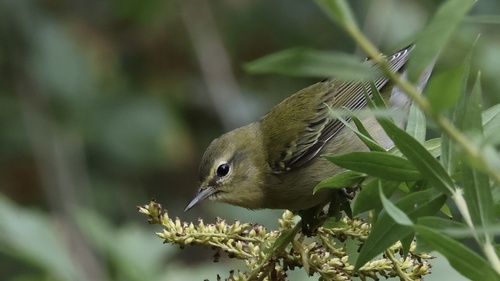 mariquita-do-tenessi
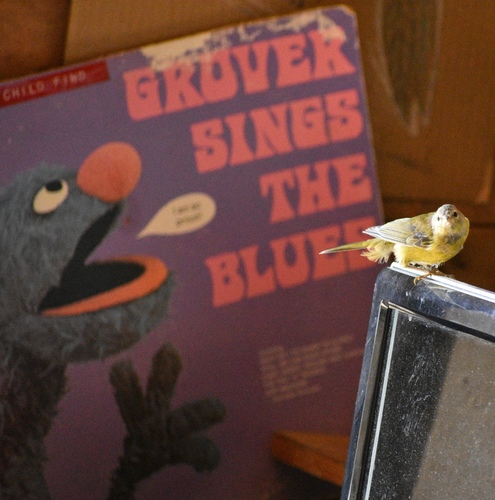 orange-crowned warbler
Em resumo
A marca de campo mais confiável para separar a mariquita-do-tenessi da orange-crowned warbler é a presença de uma sobrancelha nítida e pálida (supercílios) e coberturas de cauda inferiores brancas e limpas na mariquita-do-tenessi, em comparação com o anel ocular fraco e quebrado e as coberturas de cauda inferiores amarelas da orange-crowned. A mariquita-do-tenessi geralmente apresenta um contraste mais acentuado entre a cabeça cinza e as costas oliva (especialmente em machos em reprodução), enquanto a orange-crowned warbler é mais uniformemente oliva-cinza por cima e amarelada por baixo, com listras fracas. Ambas as espécies não possuem barras nas asas, mas a mariquita-do-tenessi geralmente parece mais limpa e brilhante, especialmente por baixo. Pássaros imaturos e de outono são mais complicados, mas as coberturas de cauda inferiores brancas da mariquita e a sobrancelha mais proeminente continuam sendo úteis. A estrutura é semelhante, mas a mariquita pode parecer ter asas mais longas e cauda mais curta.
Dicas de identificação
- Sobrancelha vs Anel Ocular: A mariquita-do-tenessi apresenta uma sobrancelha forte e pálida acima do olho, mais óbvia em todos os plumagens, enquanto a orange-crowned warbler tem apenas um anel ocular fraco e quebrado e uma linha fraca acima do olho. Esta é a marca de campo mais consistente.
- Coberturas de Cauda Inferiores: A mariquita-do-tenessi sempre tem coberturas de cauda inferiores brancas e limpas, contrastando com o resto das partes inferiores. A orange-crowned warbler tem coberturas de cauda inferiores amarelas, misturando-se com a barriga amarelada. Verifique essa característica quando o pássaro estiver se movendo ou balançando a cauda.
- Padrão Facial: O rosto da mariquita-do-tenessi parece mais limpo e contrastante, com uma coroa e nuca acinzentadas (em machos) e uma sobrancelha nítida. O rosto da orange-crowned warbler é mais simples, sem marcas fortes e com um tom oliva-cinza mais uniforme.
- Cor das Partes Superiores: A mariquita-do-tenessi (especialmente machos) apresenta um contraste acentuado entre a coroa/nuca cinza e as costas oliva. A orange-crowned warbler é mais uniformemente oliva-cinza por cima, sem contraste acentuado.
- Partes Inferiores: A mariquita-do-tenessi geralmente é mais limpa por baixo, com partes inferiores cinza-brancas ou amareladas, mas com poucas ou nenhuma listra. A orange-crowned warbler tem partes inferiores amareladas com listras fracas, especialmente no peito e flancos.
- Barras nas Asas: Ambas as espécies não possuem barras nas asas, então isso não é útil para separação, mas esteja ciente de que algumas outras mariquitas confusas (como a Blue-throated Black) apresentam manchas nas asas.
- Formato do Bico: Ambas têm bicos finos e pontudos, mas o da mariquita pode parecer um pouco mais fino e longo. Isso é sutil e nem sempre confiável.
- Estrutura da Cauda e das Asas: A mariquita-do-tenessi pode parecer ter asas mais longas e cauda mais curta do que a orange-crowned, especialmente quando empoleirada. Esta é uma pista estrutural menor.
- Pássaros Juvenis/Imaturos: Jovens mariquitas-do-tenessi são mais apagadas, mas ainda mostram a cauda inferior branca e a sobrancelha; jovens orange-crowned são ainda mais simples e carecem dessas marcas.
- Variação Sexual e Sazonal: As fêmeas e os machos não reprodutores da mariquita-do-tenessi são mais apagados, com mais amarelo e oliva, mas a cauda inferior branca e a sobrancelha permanecem. As fêmeas e imaturos da orange-crowned warbler são os mais apagados, com o menor contraste facial.
- Mancha da Coroa: A mancha laranja da coroa da orange-crowned warbler raramente é visível e não deve ser considerada.
- Habitat/Distribuição: Onde ambas ocorrem, o habitat não é um separador, mas a mariquita-do-tenessi é mais provável de ser encontrada no leste e a orange-crowned no oeste durante a época de reprodução.
- Voz: O trinado descendente da orange-crowned é distinto se ouvido, mas as vocalizações da mariquita não estão detalhadas aqui.
- Comparação com Outras Espécies: Ambas podem ser confundidas com outras mariquitas; a mariquita é às vezes confundida com a fêmea da Blue-throated Black (que tem manchas nas asas) ou o Vireo de Olhos Vermelhos (que é maior e se move mais lentamente). A orange-crowned é frequentemente confundida com a mariquita no outono, mas carece do padrão facial nítido e da cauda inferior branca.
- Armadilhas: Em luz fraca ou visualizações rápidas, ambas podem parecer simples e verde-amareladas. Concentre-se nas coberturas de cauda inferiores e no padrão facial para ter a melhor chance de uma identificação correta.
Tamanho
Ambas as espécies são muito próximas em tamanho, com a mariquita-do-tenessi pesando em média cerca de 9,6g em massa corporal [wikidata]. O comprimento e as proporções são semelhantes, embora a mariquita-do-tenessi possa parecer um pouco mais longa nas asas e mais curta na cauda. No campo, o tamanho não é um separador confiável entre essas duas.
Plumagem
As mariquitas-do-tenessi juvenis e de primeiro ano se assemelham às fêmeas adultas e aos adultos de outono, apresentando uma lavagem oliva e amarelada mais apagada, mas sempre retêm coberturas de cauda inferiores brancas nítidas e uma sobrancelha amarelada clara. As orange-crowned warblers (todas as idades) carecem da sobrancelha brilhante, apresentando em vez disso um anel ocular fraco e quebrado e uma linha fraca sobre o olho, e têm coberturas de cauda inferiores amarelas. Os machos adultos da mariquita-do-tenessi na primavera têm uma coroa e nuca cinzas impressionantes, costas oliva e partes inferiores brancas-cinzas, enquanto as fêmeas e os pássaros não reprodutores são mais apagados, mas ainda mostram mais contraste e um rosto mais limpo do que a orange-crowned. As orange-crowned warblers são mais uniformemente oliva-cinza por cima e amareladas por baixo, com listras fracas nas partes inferiores e sem marcas faciais fortes. A mancha laranja da coroa raramente é visível no campo. As orange-crowned warblers ocidentais são mais amarelas no geral, mas ainda carecem do padrão facial nítido da mariquita e da cauda inferior branca.
Comportamento
Ambas as espécies são forrageadoras ativas em arbustos e árvores, movendo-se rapidamente pela folhagem. A mariquita-do-tenessi pode parecer mais enérgica e às vezes é descrita como tendo uma cauda mais curta e asas mais longas, mas as diferenças comportamentais são sutis e não confiáveis para separação. Ambas podem ser encontradas em bandos mistos de mariquitas durante a migração.
Habitat
A mariquita-do-tenessi se reproduz no leste da América do Norte e migra por uma ampla gama, hibernando na América Central e no norte da América do Sul. A orange-crowned warbler tem uma distribuição mais ampla na América do Norte, reproduzindo-se mais a oeste e ao norte, e hibernando no sul dos EUA e no México. Ambas utilizam habitats arbustivos ou florestais semelhantes durante a migração, então o habitat sozinho não é um separador forte onde as distribuições se sobrepõem.
Voz
A orange-crowned warbler emite um trinado descendente para sua canção e um chamado agudo. As canções e chamados da mariquita-do-tenessi não estão descritos nas notas fornecidas, então as vocalizações não são um separador confiável aqui.
mariquita-do-tenessi · orange-crowned warbler · Minhas aves difíceis