

Tennessee Warbler vs Orange-crowned Warbler
Leiothlypis peregrina contro Leiothlypis celata
Fai un quiz con Tennessee Warbler e Orange-crowned Warbler
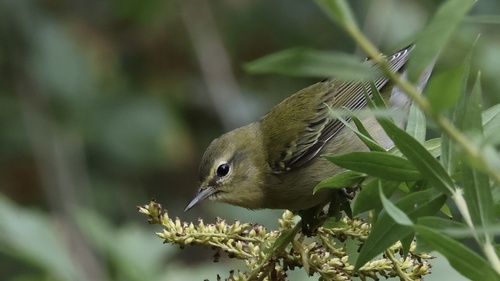 Tennessee Warbler
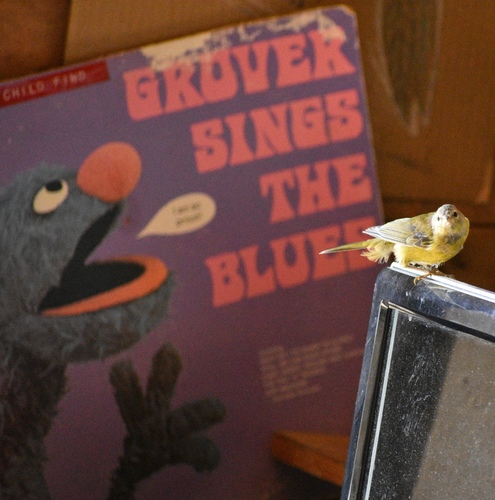 Orange-crowned Warbler
In breve
Il segno distintivo più affidabile per separare il Tennessee Warbler dall'Orange-crowned Warbler è la presenza di un sopracciglio chiaro e pallido (supercilium) e di copritaillette bianche pulite nel Tennessee, rispetto al debole anello oculare spezzato e alle copritaillette gialle dell'Orange-crowned. Il Tennessee Warbler mostra spesso un contrasto più netto tra la testa grigia e il dorso oliva (soprattutto nei maschi in riproduzione), mentre l'Orange-crowned Warbler è più uniformemente oliva-grigio sopra e giallastro sotto con striature deboli. Entrambe le specie mancano di barre alari, ma il Tennessee Warbler appare tipicamente più pulito e luminoso, soprattutto sotto. Gli uccelli immaturi e autunnali sono più difficili da distinguere, ma le copritaillette bianche del Tennessee e il sopracciglio più prominente rimangono utili. La struttura è simile, ma il Tennessee può sembrare avere ali più lunghe e coda più corta.
Consigli di identificazione
- Sopracciglio vs Anello Oculare: Il Tennessee Warbler mostra un forte sopracciglio giallastro pallido (supercilium) sopra l'occhio, più evidente in tutte le livree, mentre l'Orange-crowned Warbler ha solo un debole anello oculare spezzato e una linea debole sopra l'occhio. Questo è il segno distintivo più consistente.
- Copritaillette: Il Tennessee Warbler ha sempre copritaillette bianche pulite, in contrasto con il resto delle parti inferiori. L'Orange-crowned Warbler ha copritaillette gialle, che si fondono con il ventre giallastro. Controlla questa caratteristica quando l'uccello si muove o sbatte la coda.
- Schema del Viso: Il viso del Tennessee Warbler appare più pulito e contrastante, con una corona e una nuca grigia (nei maschi) e un sopracciglio netto. Il viso dell'Orange-crowned Warbler è più semplice, senza marcature forti e con un tono oliva-grigio più uniforme.
- Colore delle Parti Superiori: Il Tennessee Warbler (soprattutto i maschi) mostra un forte contrasto tra la corona/nuca grigia e il dorso oliva. L'Orange-crowned Warbler è più uniformemente oliva-grigio sopra, senza un forte contrasto.
- Parti Inferiori: Il Tennessee Warbler è solitamente più pulito sotto, con parti inferiori grigio-bianco o giallo-rosato ma poche o nessuna striatura. L'Orange-crowned Warbler ha parti inferiori giallastre con striature deboli, soprattutto sul petto e sui fianchi.
- Barre Alari: Entrambe le specie mancano di barre alari, quindi questo non è utile per la separazione, ma sii consapevole che alcune altre warbler confuse (come il Black-throated Blue) mostrano macchie alari.
- Forma del Becco: Entrambi hanno becchi sottili e appuntiti, ma quello del Tennessee può sembrare leggermente più fine e lungo. Questo è sottile e non sempre affidabile.
- Struttura della Coda e delle Ali: Il Tennessee Warbler può apparire avere ali più lunghe e coda più corta rispetto all'Orange-crowned, soprattutto quando è posato. Questo è un indizio strutturale minore.
- Uccelli Giovanili/Immaturi: I giovani Tennessee Warblers sono più opachi ma mostrano ancora le copritaillette bianche e il sopracciglio; i giovani Orange-crowned sono ancora più semplici e mancano di questi segni.
- Variazione di Sesso e Stagionale: Le femmine e i Tennessee Warblers non in riproduzione sono più opachi, con più giallo e oliva, ma le copritaillette bianche e il sopracciglio rimangono. Le femmine e gli immaturi dell'Orange-crowned Warbler sono i più opachi, con il minor contrasto facciale.
- Macchia della Corona: La macchia arancione della corona dell'Orange-crowned Warbler è raramente visibile e non dovrebbe essere considerata.
- Habitat/Distribuzione: Dove entrambe le specie si trovano, l'habitat non è un separatore, ma il Tennessee Warbler è più probabile nell'est e l'Orange-crowned nell'ovest durante la stagione di riproduzione.
- Voce: Il trill discendente dell'Orange-crowned è distintivo se udito, ma le vocalizzazioni del Tennessee non sono dettagliate qui.
- Confronto con Altre Specie: Entrambi possono essere confusi con altre warbler; il Tennessee è talvolta scambiato per la femmina del Black-throated Blue (che ha macchie alari) o il Red-eyed Vireo (che è più grande e si muove più lentamente). L'Orange-crowned è spesso confuso con il Tennessee in autunno, ma manca del netto schema facciale e delle copritaillette bianche.
- Insidie: In scarsa illuminazione o in visioni rapide, entrambi possono apparire semplici e giallo-verdastri. Concentrati sulle copritaillette e sullo schema facciale per avere la migliore possibilità di una corretta identificazione.
Taglia
Entrambe le specie sono molto simili in dimensioni, con il Tennessee Warbler che pesa in media circa 9.6g [wikidata]. Lunghezza e proporzioni sono simili, anche se il Tennessee Warbler può apparire un po' più lungo nelle ali e più corto nella coda. Sul campo, la dimensione non è un separatore affidabile tra questi due.
Piumaggio
I Tennessee Warblers giovanili e di primo anno somigliano alle femmine adulte e agli adulti autunnali, mostrando un oliva e un giallo più opachi, ma mantengono sempre copritaillette bianche nette e un chiaro sopracciglio giallastro. Gli Orange-crowned Warblers (di tutte le età) mancano del sopracciglio brillante, mostrando invece un debole anello oculare spezzato e una linea debole sopra l'occhio, e hanno copritaillette gialle. I maschi adulti del Tennessee Warbler in primavera hanno una corona e una nuca grigia straordinarie, un dorso oliva e parti inferiori bianco-grigie, mentre le femmine e gli uccelli non in riproduzione sono più opachi ma mostrano comunque più contrasto e un viso più pulito rispetto all'Orange-crowned. Gli Orange-crowned Warblers sono più uniformemente oliva-grigio sopra e giallastro sotto, con striature deboli sulle parti inferiori e senza forti marcature facciali. La macchia arancione della corona è raramente visibile sul campo. Gli Orange-crowned Warblers occidentali sono complessivamente più gialli, ma mancano ancora del netto schema facciale e delle copritaillette bianche del Tennessee.
Comportamento
Entrambe le specie sono cercatori attivi in arbusti e alberi, muovendosi rapidamente attraverso il fogliame. Il Tennessee Warbler può apparire più energico ed è talvolta descritto come avente una coda più corta e ali più lunghe, ma le differenze comportamentali sono sottili e non affidabili per la separazione. Entrambi possono essere trovati in stormi misti di warbler durante la migrazione.
Habitat
Il Tennessee Warbler nidifica nell'est del Nord America e migra attraverso un'ampia gamma, svernando in America Centrale e nel nord dell'America del Sud. L'Orange-crowned Warbler ha una gamma nordamericana più ampia, nidificando più a ovest e a nord, e svernando nel sud degli Stati Uniti e in Messico. Entrambi utilizzano habitat simili di arbusti o boschi durante la migrazione, quindi l'habitat da solo non è un forte separatore dove le gamme si sovrappongono.
Voce
L'Orange-crowned Warbler emette un trill discendente per il suo canto e un richiamo acuto. Il canto e i richiami del Tennessee Warbler non sono descritti nelle note fornite, quindi le vocalizzazioni non sono un separatore affidabile qui.
Tennessee Warbler · Orange-crowned Warbler · I miei uccelli difficili