

tentilhão-azul-de-tenerife vs tentilhão-azul-da-gran-canária
Fringilla teydea versus Fringilla polatzeki
Jogue um quiz com tentilhão-azul-de-tenerife e tentilhão-azul-da-gran-canária
 tentilhão-azul-de-tenerife
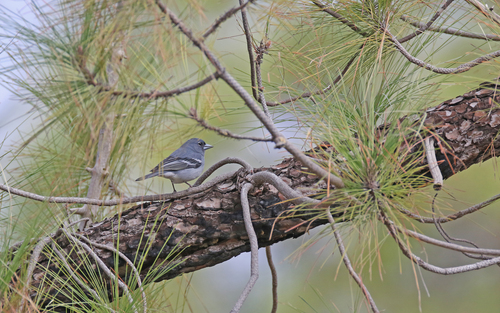 tentilhão-azul-da-gran-canária
Em resumo
A marca de campo mais confiável para separar esses dois tentilhões azuis é a presença de duas barras brancas distintas nas asas do tentilhão-azul-da-gran-canária, que estão ausentes ou muito mais fracas no tentilhão-azul-de-tenerife. Machos adultos de ambas as espécies são azuis, mas o pássaro da Gran Canaria é mais pálido por baixo e menos extensivamente azul, enquanto o macho de Tenerife é um azul mais profundo e uniforme. Fêmeas de ambas as espécies são de um cinza-marrom opaco, mas a fêmea da Gran Canaria tem barras de asa mais fortes. O tamanho também é útil: o tentilhão-azul-de-tenerife é notavelmente maior e mais robusto, com um bico mais grosso. Essas diferenças são melhor vistas de perto ou em boa luz, mas mesmo à distância, as barras de asa e o tamanho geral podem frequentemente ser identificados.
Dicas de identificação
- Barras de asa brancas: O tentilhão-azul-da-gran-canária sempre mostra duas barras de asa brancas claras na asa fechada, visíveis em todas as plumagens e idades. O tentilhão-azul-de-tenerife tem barras de asa muito mais fracas ou ausentes—esta é a maneira mais rápida de separá-los em qualquer idade.
- Tamanho e robustez geral: O tentilhão-azul-de-tenerife é notavelmente maior e mais robusto, especialmente na cabeça e no bico. Se você ver um tentilhão azul robusto e com cabeça pesada, é provável que seja de Tenerife.
- Espessura do bico: O bico do tentilhão-azul-de-tenerife é mais grosso e pesado do que o da Gran Canaria, especialmente óbvio em machos.
- Plumagem masculina (reprodução): Machos do tentilhão-azul-de-tenerife são de um azul profundo e uniforme com um bico cinza e sem boné escuro. Machos da Gran Canaria são mais pálidos por baixo, com menos azul no geral e uma barriga mais branca.
- Plumagem feminina: Ambas são de um cinza-marrom opaco, mas fêmeas da Gran Canaria têm barras de asa brancas mais fortes. Fêmeas de Tenerife são mais simples, com barras de asa fracas ou ausentes.
- Empoleirado vs. em voo: As barras de asa brancas do tentilhão-azul-da-gran-canária são visíveis tanto quando empoleiradas quanto em voo. Sempre verifique essas barras se o pássaro se assustar ou mover as asas.
- Ausência de boné escuro: Ambas as espécies não têm o boné escuro do tentilhão comum, mas isso não ajuda a separá-las uma da outra.
- Localização: Se você está em Tenerife, está vendo o tentilhão-azul-de-tenerife; se em Gran Canaria (especialmente em Inagua, Ojeda, Pajonales), é o tentilhão-azul-da-gran-canária. A distribuição é uma pista forte devido ao seu estrito endemismo.
- Uniformidade da plumagem: O tentilhão-azul-de-tenerife é mais uniforme em cor, especialmente em machos, enquanto os pássaros da Gran Canaria são mais pálidos por baixo e menos azuis no geral.
- Padrão de asas em juvenis/imaturos: Mesmo em pássaros jovens, as barras de asa brancas do tentilhão-azul-da-gran-canária devem ser visíveis e são uma marca chave.
- Cor do bico: O macho do tentilhão-azul-de-tenerife em reprodução tem um bico cinza, o que pode ajudar em vistas próximas.
- Contexto de habitat: Ambos são encontrados em florestas de pinheiros maduras, mas o tentilhão-azul-da-gran-canária é extremamente restrito—se você estiver fora das florestas de pinheiros de Inagua, é improvável que o veja.
- Abundância relativa: O tentilhão-azul-de-tenerife é mais amplamente distribuído e comum dentro de sua área; o tentilhão-azul-da-gran-canária é criticamente ameaçado e extremamente localizado.
- Sem diferenças vocais confiáveis: Nenhuma distinção vocal é notada nas fontes, então não confie em chamados ou canções para separação.
- Armadilhas comuns: Barras de asa fracas em uma fêmea opaca ou imatura podem sugerir Tenerife, mas sempre verifique se há até mesmo barras brancas fracas para evitar confusão com pássaros da Gran Canaria.
Tamanho
O tentilhão-azul-de-tenerife é consistentemente maior: machos pesam 31–33 g e fêmeas 28–30 g, em comparação com machos do tentilhão-azul-da-gran-canária pesando 27–29 g e fêmeas 26–28 g [wikipedia]. No campo, os pássaros de Tenerife parecem mais robustos e mais fortes, especialmente na cabeça e no bico. Essa diferença de tamanho pode ser sutil, a menos que ambos sejam vistos lado a lado, mas em comparação direta, os pássaros de Tenerife têm uma construção visivelmente mais pesada.
Plumagem
- Pássaros juvenis e imaturos: Nenhum detalhe específico do padrão de asas juvenil/imaturo é dado, mas o tentilhão-azul-da-gran-canária de todas as idades mostra duas barras de asa brancas claras, que são muito mais fracas ou ausentes no tentilhão-azul-de-tenerife. Esta é a marca de campo mais consistente em todas as plumagens.
- Machos adultos: Machos do tentilhão-azul-de-tenerife são de um azul profundo e uniforme com um bico cinza e não têm um boné escuro. Machos da Gran Canaria são mais pálidos por baixo, com menos azul no geral e uma barriga mais branca, e mostram duas barras de asa brancas.
- Fêmeas: Ambas são de um cinza-marrom opaco, mas fêmeas da Gran Canaria têm barras de asa mais fortes e óbvias do que fêmeas de Tenerife, cujas barras de asa são fracas ou mal visíveis. Ambas não têm o boné escuro do tentilhão comum.
- Bico: O tentilhão-azul-de-tenerife tem um bico visivelmente mais grosso em todas as plumagens.
- Empoleirado e em voo: As barras de asa brancas do tentilhão-azul-da-gran-canária são visíveis tanto empoleiradas quanto em voo, e as partes inferiores mais pálidas contrastam com o azul ou cinza mais uniforme dos pássaros de Tenerife.
Comportamento
Ambas as espécies se comportam de maneira semelhante, alimentando-se principalmente de sementes de pinheiro e forrageando na copa e no chão. Não há diferenças comportamentais fortes notadas para identificação em campo. Ambas são não migratórias e se reproduzem em florestas de pinheiros, e ambas alimentam seus filhotes com insetos. No campo, seus movimentos e estilo de alimentação não são confiáveis para separação.
Habitat
Ambas as espécies são restritas às suas respectivas ilhas e são encontradas em florestas maduras de pinheiros das Ilhas Canárias (Pinus canariensis). O tentilhão-azul-de-tenerife é mais amplamente distribuído em Tenerife, enquanto o tentilhão-azul-da-gran-canária é extremamente localizado, encontrado apenas nas florestas de pinheiros de montanha de Inagua, Ojeda e Pajonales na Gran Canaria. Se você estiver fora dessas áreas específicas, a espécie presente é quase certamente a endêmica local.
tentilhão-azul-de-tenerife · tentilhão-azul-da-gran-canária · Minhas aves difíceis