

Motmot

テネリフェオアトリ 対 グランカナリーアオアトリ

Fringilla teydea 対 Fringilla polatzeki

テネリフェオアトリとグランカナリーアオアトリのクイズ

テネリフェオアトリ (Fringilla teydea) テネリフェオアトリ
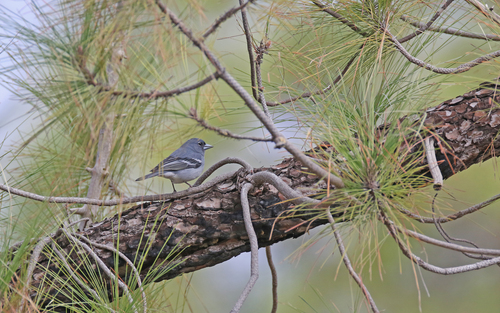
グランカナリーアオアトリ (Fringilla polatzeki) グランカナリーアオアトリ

メディア

読み込み中…

要点

この2種の青いアトリを区別する最も信頼できるフィールドマークは、グランカナリーアオアトリに見られる2本の明確な白い翼帯の存在であり、テネリフェオアトリには欠如しているか、はるかに弱いです。両種の成鳥のオスは青色ですが、グランカナリーの鳥は下側が淡く、青色が広がっていないのに対し、テネリフェのオスはより深く、均一な青色です。両種のメスは鈍い灰褐色ですが、グランカナリーのメスはより強い翼帯を持っています。サイズも役立ちます:テネリフェオアトリは明らかに大きく、がっしりしており、くちばしが太いです。これらの違いは近距離または良好な光の下で最もよく見られますが、距離があっても翼帯と全体のサイズはしばしば識別できます。

識別のコツ

  1. 白い翼帯: グランカナリーアオアトリは常に閉じた翼に2本の明確な白い翼帯を示し、すべての羽色と年齢で見えます。テネリフェオアトリははるかに弱いか、翼帯が欠如しています—これはどの年齢でも彼らを区別する最も早い方法です。
  2. 全体のサイズと体格: テネリフェオアトリは明らかに大きく、特に頭部とくちばしががっしりしています。頑丈で頭が重い青いアトリを見たら、それはおそらくテネリフェです。
  3. くちばしの太さ: テネリフェオアトリのくちばしはグランカナリーのものよりも太く、重いです。特にオスで顕著です。
  4. オスの羽色(繁殖期): テネリフェオアトリのオスは深い均一な青色で、灰色のくちばしを持ち、暗い帽子がありません。グランカナリーのオスは下側が淡く、全体的に青色が少なく、腹部が白いです。
  5. メスの羽色: 両方とも鈍い灰褐色ですが、グランカナリーのメスはテネリフェのメスよりも強く、より明白な白い翼帯を持っています。テネリフェのメスは地味で、翼帯が弱いか欠如しています。
  6. 止まっている時と飛んでいる時: グランカナリーアオアトリの白い翼帯は、止まっている時と飛んでいる時の両方で見えます。鳥が飛び立ったり翼を動かしたりした場合は、常にこれらの帯を確認してください。
  7. 暗い帽子の欠如: 両種は普通のアトリの暗い帽子を欠いていますが、これは彼らを互いに区別するのには役立ちません。
  8. 場所: テネリフェにいる場合はテネリフェオアトリを見ていることになります。グランカナリーにいる場合(特にイナグア、オヘダ、パホナレスでは)、それはグランカナリーアオアトリです。分布は彼らの厳格な固有性のために強い手がかりです。
  9. 羽色の均一性: テネリフェオアトリは色がより均一で、特にオスで顕著ですが、グランカナリーの鳥は下側が淡く、全体的に青色が少ないです。
  10. 幼鳥/未成熟の翼のパターン: 若い鳥でも、グランカナリーアオアトリの白い翼帯は見えるはずで、これは重要なマークです。
  11. くちばしの色: 繁殖期のオスのテネリフェオアトリは灰色のくちばしを持ち、近くで見る際に役立ちます。
  12. 生息地の文脈: 両方とも成熟した松林に生息していますが、グランカナリーアオアトリは非常に制限されています—イナグアの松林の外にいる場合は、見ることはほぼ不可能です。
  13. 相対的な豊富さ: テネリフェオアトリはその範囲内でより広く、一般的です。グランカナリーアオアトリは絶滅危惧種で、非常に局所的です。
  14. 信頼できる声の違いはない: 情報源には声の区別は記載されていないため、呼び声や歌に頼って区別しないでください。
  15. 一般的な落とし穴: 鈍いメスや未成熟の個体の弱い翼帯はテネリフェを示唆するかもしれませんが、グランカナリーの鳥との混同を避けるために、わずかでも白い帯を確認してください。

大きさ

テネリフェオアトリは一貫して大きいです:オスは31–33 g、メスは28–30 gで、グランカナリーアオアトリのオスは27–29 g、メスは26–28 gです [wikipedia]。フィールドでは、テネリフェの鳥は特に頭部とくちばしががっしりして見えます。このサイズの違いは、両方が並んで見られない限り微妙かもしれませんが、直接比較すると、テネリフェの鳥は明らかに重い体格を持っています。

羽色

行動

両種は似たように振る舞い、主に松の種を食べ、樹冠や地面で採餌します。フィールド識別のための強い行動の違いは記載されていません。両方とも非移動性で、松林で繁殖し、両方とも幼鳥に昆虫を与えます。フィールドでは、彼らの動きや採餌スタイルは区別するための信頼できるものではありません。

生息環境

両種はそれぞれの島に制限されており、成熟したカナリア島の松(Pinus canariensis)林に生息しています。テネリフェオアトリはテネリフェ全体でより広く分布していますが、グランカナリーアオアトリは非常に局所的で、グランカナリーのイナグア、オヘダ、パホナレスの高地の松林にのみ見られます。これらの特定の地域の外にいる場合、存在する種はほぼ確実に地元の固有種です。

より良い説明を送る

比較と同じ項目を使ってください。文章はすぐに公開されます。

The most reliable field mark to separate these two blue chaffinches is the presence of two distinct white wing bars on the Gran Canaria Blue Chaffinch, which are absent or much weaker on the Tenerife Blue Chaffinch. Adult males of both species are blue, but the Gran Canaria bird is paler below and less extensively blue, while the Tenerife male is a deeper, more uniform blue. Females of both species are dull grey-brown, but the Gran Canaria female has stronger wing bars. Size is also helpful: Tenerife Blue Chaffinch is noticeably larger and bulkier, with a thicker bill. These differences are best seen at close range or in good light, but even at a distance, the wing bars and overall size can often be picked out.

  1. White wing bars: Gran Canaria Blue Chaffinch always shows two clear white wing bars on the closed wing, visible in all plumages and ages. Tenerife Blue Chaffinch has much weaker or absent wing bars—this is the fastest way to separate them at any age.
  2. Overall size and bulk: Tenerife Blue Chaffinch is noticeably larger and bulkier, especially in the head and bill. If you see a robust, heavy-headed blue chaffinch, it is likely Tenerife.
  3. Bill thickness: The bill of Tenerife Blue Chaffinch is thicker and heavier than that of Gran Canaria, especially obvious in males.
  4. Male plumage (breeding): Tenerife Blue Chaffinch males are a deep, uniform blue with a grey bill and no dark cap. Gran Canaria males are paler below, with less blue overall and a whiter belly.
  5. Female plumage: Both are dull grey-brown, but Gran Canaria females have stronger, more obvious white wing bars. Tenerife females are plainer with weak or absent wing bars.
  6. Perched vs. in flight: The white wing bars of Gran Canaria Blue Chaffinch are visible both when perched and in flight. Always check for these bars if the bird flushes or moves its wings.
  7. Absence of dark cap: Both species lack the dark cap of common chaffinch, but this does not help separate them from each other.
  8. Location: If you are on Tenerife, you are seeing Tenerife Blue Chaffinch; if on Gran Canaria (especially in Inagua, Ojeda, Pajonales), it is Gran Canaria Blue Chaffinch. Range is a strong clue due to their strict endemism.
  9. Plumage uniformity: Tenerife Blue Chaffinch is more uniform in color, especially in males, while Gran Canaria birds are paler below and less blue overall.
  10. Wing pattern in juveniles/immatures: Even in young birds, the white wing bars of Gran Canaria Blue Chaffinch should be visible and are a key mark.
  11. Bill color: Breeding male Tenerife Blue Chaffinch has a grey bill, which can help in close views.
  12. Habitat context: Both are found in mature pine forests, but Gran Canaria Blue Chaffinch is extremely restricted—if you are outside the Inagua pine forests, you are unlikely to see it.
  13. Relative abundance: Tenerife Blue Chaffinch is more widespread and common within its range; Gran Canaria Blue Chaffinch is critically endangered and extremely localized.
  14. No reliable vocal differences: No vocal distinctions are noted in the sources, so do not rely on calls or song for separation.
  15. Common pitfalls: Weak wing bars on a dull female or immature may suggest Tenerife, but always check for even faint white bars to avoid confusion with Gran Canaria birds.

Tenerife Blue Chaffinch is consistently larger: males weigh 31–33 g and females 28–30 g, compared to Gran Canaria Blue Chaffinch males at 27–29 g and females at 26–28 g [wikipedia]. In the field, Tenerife birds look bulkier and more robust, especially in the head and bill. This size difference can be subtle unless both are seen side by side, but in direct comparison, Tenerife birds have a noticeably heavier build.

  • Juvenile and immature birds: No specific juvenile/immature wing pattern details are given, but the Gran Canaria Blue Chaffinch of all ages shows two clear white wing bars, which are much weaker or absent in Tenerife Blue Chaffinch. This is the most consistent field mark in all plumages.
  • Adult males: Tenerife Blue Chaffinch males are a deep, uniform blue with a grey bill and lack a dark cap. Gran Canaria males are paler below, with less blue overall and a whiter belly, and show two white wing bars.
  • Females: Both are dull grey-brown, but Gran Canaria females have stronger, more obvious wing bars than Tenerife females, whose wing bars are weak or barely visible. Both lack the dark cap of common chaffinch.
  • Bill: Tenerife Blue Chaffinch has a noticeably thicker bill in all plumages.
  • Perched and in flight: The white wing bars of Gran Canaria Blue Chaffinch are visible both perched and in flight, and the paler underparts contrast with the more uniform blue or grey of Tenerife birds.

Both species behave similarly, feeding mainly on pine seeds and foraging in the canopy and on the ground. There are no strong behavioral differences noted for field identification. Both are non-migratory and breed in pine forests, and both feed their young insects. In the field, their movements and feeding style are not reliable for separation.

Both species are restricted to their respective islands and are found in mature Canary Island pine (Pinus canariensis) forests. Tenerife Blue Chaffinch is more widespread across Tenerife, while Gran Canaria Blue Chaffinch is extremely localized, found only in the highland pine forests of Inagua, Ojeda, and Pajonales on Gran Canaria. If you are outside these specific areas, the species present is almost certainly the local endemic.

変更を破棄しますか?

保存していない編集があります。今離れると失われます。

テネリフェオアトリ · グランカナリーアオアトリ · 苦手な鳥