

pilrito-de-temminck vs pilrito-de-peito-preto
Calidris temminckii versus Calidris alpina
Jogue um quiz com pilrito-de-temminck e pilrito-de-peito-preto
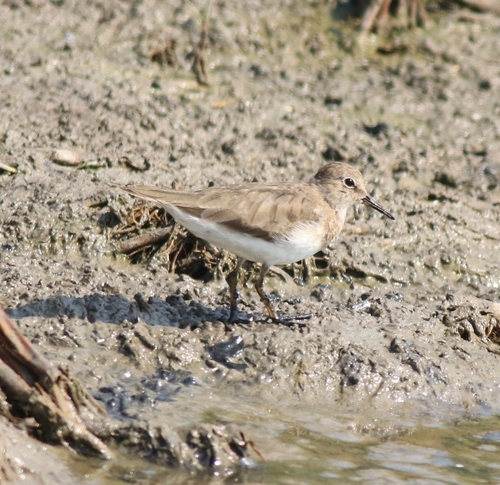 pilrito-de-temminck
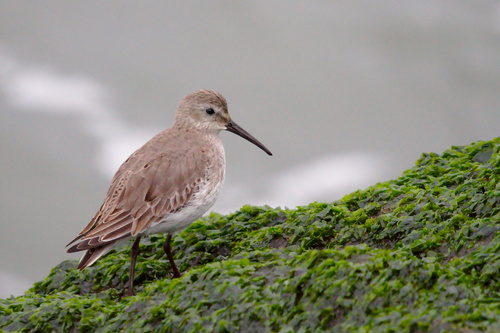 pilrito-de-peito-preto
Em resumo
A marca de campo mais confiável para separar o pilrito-de-temminck do pilrito-de-peito-preto é a cor das pernas e da cauda externa: o pilrito-de-temminck tem pernas amarelas ou marrons opacas e penas brancas na cauda externa, enquanto o pilrito-de-peito-preto tem pernas pretas e penas cinzas na cauda externa. Em voo, o pilrito-de-peito-preto de todas as idades exibe uma faixa branca estreita na asa, que o pilrito-de-temminck não possui. O pilrito-de-peito-preto é notavelmente maior e mais robusto, com um bico preto longo e curvado, enquanto o pilrito-de-temminck é menor, mais esbelto e tem um bico mais fino e reto. O pilrito-de-peito-preto em reprodução tem uma distinta mancha preta na barriga, que nunca é exibida pelo pilrito-de-temminck. As plumagens de inverno e juvenil podem ser confusas, mas a atenção cuidadosa à estrutura, cor das pernas e padrões de voo resolverá a maioria das confusões.
Dicas de identificação
- Cor das pernas: O pilrito-de-temminck sempre tem pernas amarelas ou marrons opacas, enquanto as pernas do pilrito-de-peito-preto são pretas. Este é um ponto chave de separação a curta distância, especialmente quando as aves estão paradas ou em águas rasas.
- Penas da cauda externa: Em voo, o pilrito-de-temminck exibe penas brancas na cauda externa; as do pilrito-de-peito-preto são cinzas. Isso pode ser visto quando a ave abre a cauda ou decola.
- Faixa branca na asa (em voo): O pilrito-de-peito-preto de todas as idades exibe uma faixa branca estreita na asa em voo, que o pilrito-de-temminck não possui. Se você vê uma faixa branca atravessando a asa, é um pilrito-de-peito-preto.
- Formato e comprimento do bico: O pilrito-de-peito-preto tem um bico preto mais longo e levemente curvado (os bicos das fêmeas são ainda mais longos), enquanto o pilrito-de-temminck tem um bico mais curto, mais fino e reto. O formato do bico é especialmente útil quando as aves estão se alimentando lado a lado.
- Tamanho e estrutura: O pilrito-de-peito-preto é maior, mais robusto e mais forte, com uma aparência mais robusta. O pilrito-de-temminck é menor, mais esbelto e mais delicado, com um pescoço e pernas mais curtos.
- Plumagem de reprodução: Apenas o pilrito-de-peito-preto exibe uma ousada mancha preta na barriga na plumagem de reprodução. O pilrito-de-temminck nunca tem uma barriga preta, apenas um peito levemente mais escuro.
- Padrão das costas de juvenis/imaturos: Os juvenis do pilrito-de-peito-preto têm duas marcas brancas fracas em forma de 'V' nas costas (menos óbvias do que no maçarico-pequeno), enquanto os juvenis do pilrito-de-temminck são mais simples acima e não têm marcas fortes nas costas.
- Comprimento das pernas: O pilrito-de-temminck tem pernas mais curtas do que o pilrito-de-peito-preto, o que pode ser notável quando ambos estão em águas rasas.
- Comportamento alimentar: O pilrito-de-peito-preto se alimenta com uma ação rápida de 'máquina de costura', sondando metódicamente a lama. O pilrito-de-temminck é mais delicado e menos persistente em seus movimentos de alimentação.
- Rebanho: Grandes bandos densos e sincronizados são típicos do pilrito-de-peito-preto, especialmente no inverno. O pilrito-de-temminck é geralmente solitário ou em pequenos grupos.
- Habitat: O pilrito-de-peito-preto é mais provável em lamaçais costeiros abertos e praias; o pilrito-de-temminck prefere margens de água doce lamacentas ou vegetadas.
- Ponta do bico: A ponta do bico do pilrito-de-peito-preto é romba (não afiada), com uma cobertura macia e sensível para sondar. Isso é sutil, mas pode ser visto a curta distância.
- Marcas na flanco/barriga (juvenil): Os juvenis do pilrito-de-peito-preto frequentemente mostram marcas pretas nos flancos ou na barriga, que o pilrito-de-temminck não possui.
- Confusão sazonal: No inverno, ambas as espécies são mais opacas, mas a cor das pernas, o formato do bico e o padrão de voo (faixa na asa) permanecem confiáveis.
- Voz: O pilrito-de-peito-preto emite um chamado de 'chreep' e um trinado áspero em exibição, mas a voz do pilrito-de-temminck não é descrita aqui, então use outras marcas primeiro.
Tamanho
O pilrito-de-temminck é significativamente menor e mais leve do que o pilrito-de-peito-preto. O pilrito-de-temminck mede 13,5–15 cm de comprimento e tem uma massa corporal em torno de 26 g, enquanto o pilrito-de-peito-preto é maior, medindo 16–20 cm e pesando 34–77 g. O pilrito-de-peito-preto também parece mais robusto e tem uma envergadura maior (38–43 cm contra as asas proporcionalmente mais curtas do pilrito-de-temminck). Em bandos mistos, o pilrito-de-peito-preto se destacará como a ave maior e mais robusta, enquanto o pilrito-de-temminck parecerá mais delicado e sutil.
Plumagem
-
Juvenil/Primeiro-inverno/Imaturo em voo: O pilrito-de-peito-preto de todas as idades exibe uma faixa branca estreita na asa em voo, que o pilrito-de-temminck não possui. Os juvenis do pilrito-de-peito-preto têm partes superiores marrons com duas marcas brancas fracas em forma de 'V' nas costas (menos óbvias do que no maçarico-pequeno) e frequentemente mostram marcas pretas nos flancos ou na barriga. Os juvenis do pilrito-de-temminck são mais simples, marrons acima e brancos abaixo, sem marcas fortes nas costas ou faixas na asa.
-
Plumagem de reprodução adulta: O pilrito-de-peito-preto é inconfundível com sua ousada mancha preta na barriga, partes superiores ruivas e pernas pretas. O pilrito-de-temminck é muito mais apagado, com partes superiores marrons simples, um peito levemente mais escuro e pernas amarelas ou marrons, às vezes com algumas penas de manto ruivas ou escuras, mas nunca uma barriga preta.
-
Plumagem não reprodutiva/invernal: Ambas as espécies tornam-se mais opacas, mas o pilrito-de-temminck permanece com um tom marrom-cinza simples acima e branco abaixo, com pernas amarelas/marrons e cauda externa branca. O pilrito-de-peito-preto é marrom-cinza acima e branco abaixo, com pernas pretas e um bico preto levemente curvado. A faixa branca na asa em voo continua sendo uma diferença chave para o pilrito-de-peito-preto.
Comportamento
O pilrito-de-peito-preto é altamente gregário no inverno, frequentemente formando grandes bandos sincronizados em lamaçais costeiros e praias, e se alimentando com uma ação distinta de 'máquina de costura'. O pilrito-de-temminck é menos gregário, tipicamente visto sozinho ou em pequenos grupos, e não exibe o mesmo comportamento de rebanho apertado ou voo sincronizado. A alimentação do pilrito-de-peito-preto é mais metódica e persistente, enquanto o pilrito-de-temminck parece mais delicado e menos robusto em seus movimentos.
Habitat
Ambas as espécies são limícolas, mas o pilrito-de-peito-preto é muito mais provável de ser encontrado em grandes números em lamaçais costeiros abertos ou praias arenosas, especialmente fora da temporada de reprodução. O pilrito-de-temminck prefere margens de água doce ou salobra menores, frequentemente mais vegetadas ou lamacentas, e é menos provável de ser visto em grandes bandos costeiros. Se você vê um pequeno limícola em um enorme bando giratório em uma planície de maré, é quase certamente um pilrito-de-peito-preto.
Voz
O pilrito-de-peito-preto emite um chamado típico de 'chreep' e uma canção de exibição de trinado áspero. Não há descrição vocal específica para o pilrito-de-temminck nas notas, então a voz não é um separador confiável aqui.
pilrito-de-temminck · pilrito-de-peito-preto · Minhas aves difíceis