
Gambecchio nano vs Piovanello pancianera
Calidris temminckii contro Calidris alpina
Fai un quiz con Gambecchio nano e Piovanello pancianera
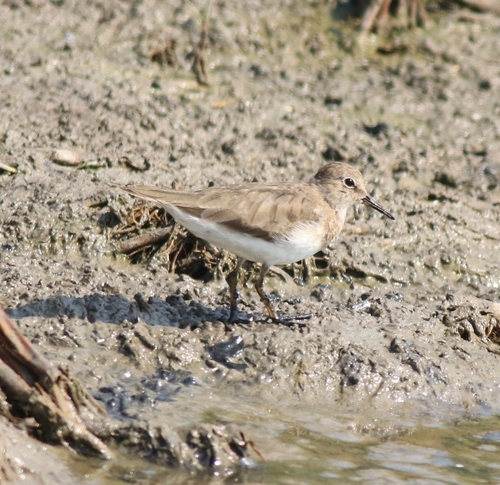 Gambecchio nano
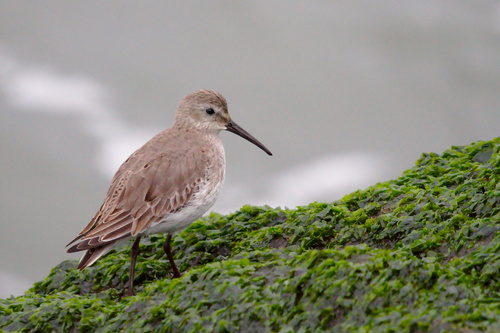 Piovanello pancianera
In breve
Il segno distintivo più affidabile per separare il Gambecchio nano dal Piovanello pancianera è il colore delle gambe e della coda esterna: il Gambecchio nano ha gambe giallastre o marroni opache e piume esterne della coda bianche, mentre il Piovanello pancianera ha gambe nere e piume esterne della coda grigie. In volo, il Piovanello pancianera di tutte le età mostra una stretta banda bianca sulle ali, che il Gambecchio nano non ha. Il Piovanello pancianera è notevolmente più grande e robusto, con un becco nero più lungo e ricurvo, mentre il Gambecchio nano è più piccolo, snello e ha un becco più fine e dritto. I Piovanelli pancianera in riproduzione hanno una distintiva macchia nera sul ventre, mai mostrata dal Gambecchio nano. Le piume invernali e giovanili possono essere confuse, ma un'attenta attenzione alla struttura, al colore delle gambe e ai modelli di volo risolverà la maggior parte delle confusioni.
Consigli di identificazione
- Leg color: Il Gambecchio nano ha sempre gambe giallastre o marroni opache, mentre le gambe del Piovanello pancianera sono nere. Questo è un punto chiave di separazione a distanza ravvicinata, specialmente quando gli uccelli sono in piedi o in cerca di cibo.
- Outer tail feathers: In volo, il Gambecchio nano mostra piume esterne della coda bianche; quelle del Piovanello pancianera sono grigie. Questo può essere visto quando l'uccello apre la coda o decolla.
- White wingbar (in flight): Il Piovanello pancianera di tutte le età mostra una stretta banda bianca sulle ali in volo, che il Gambecchio nano non ha. Se vedi una striscia bianca attraverso l'ala, è un Piovanello pancianera.
- Bill shape and length: Il Piovanello pancianera ha un becco nero più lungo e leggermente ricurvo (i becchi delle femmine sono ancora più lunghi), mentre il Gambecchio nano ha un becco più corto, più fine e dritto. La forma del becco è particolarmente utile quando gli uccelli si nutrono fianco a fianco.
- Size and structure: Il Piovanello pancianera è più grande, più massiccio e robusto, con un aspetto più robusto. Il Gambecchio nano è più piccolo, snello e più delicato, con un collo e gambe più corti.
- Breeding plumage: Solo il Piovanello pancianera mostra una macchia nera audace sul ventre in piumaggio di riproduzione. Il Gambecchio nano non ha mai un ventre nero, solo un petto leggermente più scuro.
- Juvenile/immature back pattern: I giovani Piovanelli pancianera hanno due deboli segni bianchi a forma di 'V' sulla schiena (meno evidenti rispetto al Gambecchio comune), mentre i giovani del Gambecchio nano sono più semplici sopra e mancano di forti segni sulla schiena.
- Leg length: Il Gambecchio nano ha gambe più corte rispetto al Piovanello pancianera, il che può essere evidente quando entrambi sono in cerca di cibo in acque poco profonde.
- Feeding behavior: Il Piovanello pancianera si nutre con un'azione rapida, a 'macchina da cucire', sondando metodicamente il fango. Il Gambecchio nano è più delicato e meno persistente nei suoi movimenti di alimentazione.
- Flocking: Flock di grandi dimensioni, dense e sincronizzate sono tipiche del Piovanello pancianera, specialmente in inverno. Il Gambecchio nano è solitamente solitario o in piccoli gruppi.
- Habitat: Il Piovanello pancianera è più probabile trovarlo su fanghi costieri aperti e spiagge; il Gambecchio nano preferisce margini freschi fangosi o vegetati.
- Bill tip: La punta del becco del Piovanello pancianera è smussata (non affilata), con una copertura morbida e sensibile per sondare. Questo è sottile ma può essere visto a distanza ravvicinata.
- Flank/belly markings (juvenile): I giovani Piovanelli pancianera mostrano spesso segni neri sui fianchi o sul ventre, che il Gambecchio nano non ha.
- Seasonal confusion: In inverno, entrambe le specie sono più opache, ma il colore delle gambe, la forma del becco e il modello di volo (banda sulle ali) rimangono affidabili.
- Voice: Il Piovanello pancianera emette un richiamo 'chreep' e un trillo aspro in mostra, ma la voce del Gambecchio nano non è descritta qui, quindi usa prima altri segni.
Taglia
Il Gambecchio nano è significativamente più piccolo e leggero rispetto al Piovanello pancianera. Il Gambecchio nano misura 13.5–15 cm di lunghezza e ha una massa corporea di circa 26 g, mentre il Piovanello pancianera è più grande, misurando 16–20 cm e pesando 34–77 g. Il Piovanello pancianera appare anche più massiccio e ha un'apertura alare più lunga (38–43 cm rispetto alle ali proporzionalmente più corte del Gambecchio nano). In stormi misti, il Piovanello pancianera si distingue come l'uccello più grande e robusto, mentre il Gambecchio nano appare più delicato e più fine.
Piumaggio
-
Juvenile/First-winter/Immature in flight: Il Piovanello pancianera di tutte le età mostra una stretta banda bianca sulle ali in volo, che il Gambecchio nano non ha. I giovani Piovanelli pancianera hanno parti superiori marroni con due deboli segni bianchi a forma di 'V' sulla schiena (meno evidenti rispetto al Gambecchio comune), e mostrano spesso segni neri sui fianchi o sul ventre. I giovani del Gambecchio nano sono più semplici marroni sopra e bianchi sotto, mancando di forti segni sulla schiena o bande sulle ali.
-
Adult breeding plumage: Il Piovanello pancianera è inconfondibile con la sua audace macchia nera sul ventre, le parti superiori rugginose e le gambe nere. Il Gambecchio nano è molto più opaco, con parti superiori marroni semplici, un petto leggermente più scuro e gambe giallastre o marroni, a volte con alcune piume di mantello rugginose o nere ma mai un ventre nero.
-
Non-breeding/winter plumage: Entrambe le specie diventano più opache, ma il Gambecchio nano rimane semplicemente marrone-grigiastro sopra e bianco sotto, con gambe giallastre/marroni e coda esterna bianca. Il Piovanello pancianera è marrone-grigiastro sopra e bianco sotto, con gambe nere e un becco nero leggermente ricurvo. La banda bianca in volo rimane una differenza chiave per il Piovanello pancianera.
Comportamento
Il Piovanello pancianera è altamente gregario in inverno, formando spesso grandi stormi sincronizzati su fanghi costieri e spiagge, e si nutre con un'azione distintiva a 'macchina da cucire'. Il Gambecchio nano è meno gregario, tipicamente visto singolarmente o in piccoli gruppi, e non mostra la stessa compattezza o comportamento di volo sincronizzato. L'alimentazione del Piovanello pancianera è più metodica e persistente, mentre il Gambecchio nano appare più delicato e meno robusto nei suoi movimenti.
Habitat
Entrambe le specie sono trampolieri, ma il Piovanello pancianera è molto più probabile trovarlo in gran numero su fanghi costieri aperti o spiagge sabbiose, specialmente al di fuori della stagione di riproduzione. Il Gambecchio nano preferisce margini di acqua dolce o salmastra più piccoli, spesso più vegetati o fangosi, ed è meno probabile vederlo in grandi stormi costieri. Se vedi un piccolo trampoliere in un enorme stormo vorticoso su un banco di marea, è quasi certamente un Piovanello pancianera.
Voce
Il Piovanello pancianera emette un richiamo tipico di trampoliere 'chreep' e una canzone di display con un trillo aspro. Non c'è una descrizione vocale specifica per il Gambecchio nano nelle note, quindi la voce non è un separatore affidabile qui.
Gambecchio nano · Piovanello pancianera · I miei uccelli difficili