
Temmincks strandloper vs Bonte strandloper
Calidris temminckii versus Calidris alpina
Speel een quiz met Temmincks strandloper en Bonte strandloper
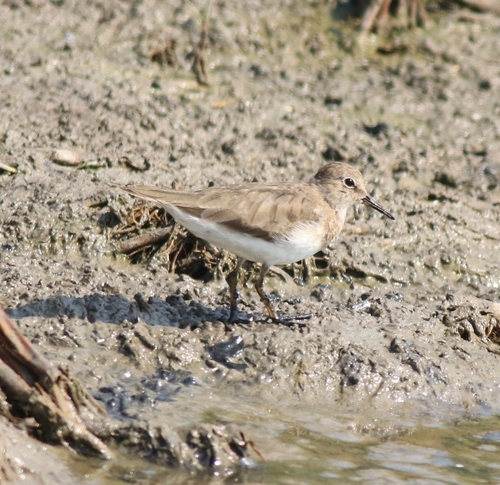 Temmincks strandloper
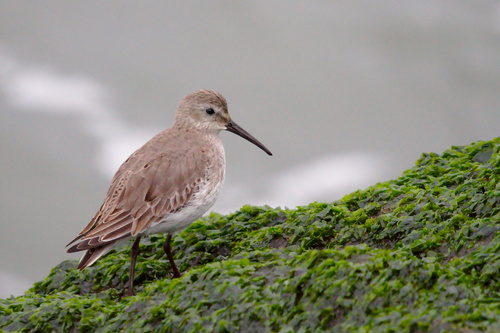 Bonte strandloper
Kort gezegd
Het meest betrouwbare veldkenmerk om Temmincks strandloper van Bonte strandloper te scheiden, is de kleur van de poten en de buitenste staartveren: Temmincks strandloper heeft dof geelachtige of bruine poten en witte buitenste staartveren, terwijl Bonte strandloper zwarte poten en grijze buitenste staartveren heeft. In de vlucht tonen Bonte strandlopers van alle leeftijden een smalle witte vleugelstreep, die Temmincks strandloper mist. Bonte strandloper is merkbaar groter en steviger, met een langere, gebogen zwarte snavel, terwijl Temmincks strandloper kleiner, slanker is en een fijnere, rechte snavel heeft. Broedende Bonte strandlopers hebben een kenmerkende zwarte buikvlek, die nooit door Temmincks strandloper wordt getoond. Winter- en juveniele verenkleed kunnen verwarrend zijn, maar aandacht voor structuur, kleur van de poten en vluchtpatronen zal de meeste verwarringen oplossen.
Herkenningstips
- Kleur van de poten: Temmincks strandloper heeft altijd dof geelachtige of bruine poten, terwijl de poten van Bonte strandloper zwart zijn. Dit is een belangrijk scheidingspunt van dichtbij, vooral wanneer de vogels staan of waden.
- Buitenste staartveren: In de vlucht toont Temmincks strandloper witte buitenste staartveren; die van Bonte strandloper zijn grijs. Dit kan worden gezien wanneer de vogel zijn staart opent of opvliegt.
- Witte vleugelstreep (in de vlucht): Bonte strandlopers van alle leeftijden tonen een smalle witte vleugelstreep in de vlucht, die Temmincks strandloper mist. Als je een witte streep over de vleugel ziet, is het Bonte strandloper.
- Vorm en lengte van de snavel: Bonte strandloper heeft een langere, iets gebogen zwarte snavel (de snavels van de vrouwtjes zijn zelfs langer), terwijl Temmincks strandloper een kortere, fijnere, rechte snavel heeft. De vorm van de snavel is vooral nuttig wanneer de vogels naast elkaar voeden.
- Grootte en structuur: Bonte strandloper is groter, steviger en robuuster, met een robuustere uitstraling. Temmincks strandloper is kleiner, slanker en delicater, met een kortere nek en poten.
- Broedkleed: Alleen Bonte strandloper toont een gedurfde zwarte buikvlek in broedkleed. Temmincks strandloper heeft nooit een zwarte buik, alleen een iets donkerder borst.
- Patroon op de rug van juvenielen/immaturen: Juveniele Bonte strandlopers hebben twee zwakke witachtige 'V'-merken op de rug (minder opvallend dan bij Kleine strandloper), terwijl juveniele Temmincks strandlopers eenvoudiger boven zijn en sterke rugmarkeringen missen.
- Lengte van de poten: Temmincks strandloper heeft kortere poten dan Bonte strandloper, wat opvalt wanneer beide in ondiep water waden.
- Voedingsgedrag: Bonte strandloper voedt met een snelle, 'naaimachine'-actie, waarbij hij methodisch in de modder prikt. Temmincks strandloper is delicater en minder volhardend in zijn voedingsbewegingen.
- Groepering: Grote, dichte, gesynchroniseerde groepen zijn typisch voor Bonte strandloper, vooral in de winter. Temmincks strandloper is meestal solitair of in kleine groepen.
- Habitat: Bonte strandloper is waarschijnlijker op open kustmoddervlaktes en stranden; Temmincks strandloper geeft de voorkeur aan modderige of begroeide zoetwateroevers.
- Tip van de snavel: De snaveltip van Bonte strandloper is stomp (niet scherp), met een zachte, gevoelige bedekking voor het prikken. Dit is subtiel, maar kan van dichtbij worden gezien.
- Flank/buikmarkeringen (juveniel): Juveniele Bonte strandlopers tonen vaak zwarte markeringen op de flanken of buik, die Temmincks strandloper mist.
- Seizoensverwarring: In de winter zijn beide soorten doffer, maar de kleur van de poten, de vorm van de snavel en het vluchtpatroon (vleugelstreep) blijven betrouwbaar.
- Stem: Bonte strandloper geeft een 'chreep'-roep en harde triller in de balts, maar de stem van Temmincks strandloper wordt hier niet beschreven, dus gebruik eerst andere kenmerken.
Grootte
Temmincks strandloper is aanzienlijk kleiner en lichter dan Bonte strandloper. Temmincks strandloper meet 13,5–15 cm in lengte en heeft een lichaamsgewicht van ongeveer 26 g, terwijl Bonte strandloper groter is met 16–20 cm en 34–77 g weegt. Bonte strandloper lijkt ook robuuster en heeft een langere vleugelspanwijdte (38–43 cm versus de proportioneel kortere vleugels van Temmincks strandloper). In gemengde groepen zal Bonte strandloper opvallen als de grotere, robuustere vogel, terwijl Temmincks strandloper er fragieler en delicater uitziet.
Verenkleed
-
Juveniel/Eerste-winter/Immatuur in de vlucht: Bonte strandlopers van alle leeftijden tonen een smalle witte vleugelstreep in de vlucht, die Temmincks strandloper mist. Juveniele Bonte strandlopers hebben bruine bovenkanten met twee zwakke witachtige 'V'-merken op de rug (minder opvallend dan bij Kleine strandloper), en tonen vaak zwarte markeringen op de flanken of buik. Juveniele Temmincks strandlopers zijn eenvoudiger bruin boven en wit onder, zonder sterke rugmarkeringen of vleugelstrepen.
-
Volwassen broedkleed: Bonte strandloper is onmiskenbaar met zijn gedurfde zwarte buikvlek, roestkleurige bovenkanten en zwarte poten. Temmincks strandloper is veel saaier, met eenvoudige bruine bovenkanten, een iets donkerder borst en geelachtige of bruine poten, soms met een paar roestkleurige of zwartachtige mantelveren, maar nooit een zwarte buik.
-
Niet-broedende/winterveren: Beide soorten worden doffer, maar Temmincks strandloper blijft eenvoudig bruin-grijs boven en wit onder, met geelachtige/brown poten en witte buitenste staart. Bonte strandloper is grijsbruin boven en wit onder, met zwarte poten en een iets gebogen zwarte snavel. De witte vleugelstreep in de vlucht blijft een belangrijk verschil voor Bonte strandloper.
Gedrag
Bonte strandloper is zeer sociaal in de winter, vaak vormend grote, gesynchroniseerde groepen op kustmoddervlaktes en stranden, en voedt met een kenmerkende 'naaimachine'-actie. Temmincks strandloper is minder sociaal, meestal alleen of in kleine groepen te zien, en toont niet hetzelfde strakke groeperings- of gesynchroniseerde vluchtgedrag. Het voeden van Bonte strandloper is methodischer en volhardender, terwijl Temmincks strandloper fragieler en minder robuust lijkt in zijn bewegingen.
Habitat
Beide soorten zijn waders, maar Bonte strandloper is veel waarschijnlijker in grote aantallen op open kustmoddervlaktes of zandstranden te vinden, vooral buiten het broedseizoen. Temmincks strandloper geeft de voorkeur aan kleinere, vaak meer begroeide of modderige oevers van zoetwater- of brakwaterpoelen, en is minder waarschijnlijk in grote kustgroepen te zien. Als je een kleine wader in een enorme, draaiende groep op een getijdenvlakte ziet, is het bijna zeker Bonte strandloper.
Geluid
Bonte strandloper geeft een typische zandloper 'chreep'-roep en een harde trillende baltszang. Er is geen specifieke vocale beschrijving voor Temmincks strandloper in de aantekeningen, dus de stem is hier geen betrouwbare scheider.
Temmincks strandloper · Bonte strandloper · Mijn lastige vogels