

superb fairywren vs white-winged fairywren
Malurus cyaneus versus Malurus leucopterus
Jogue um quiz com superb fairywren e white-winged fairywren
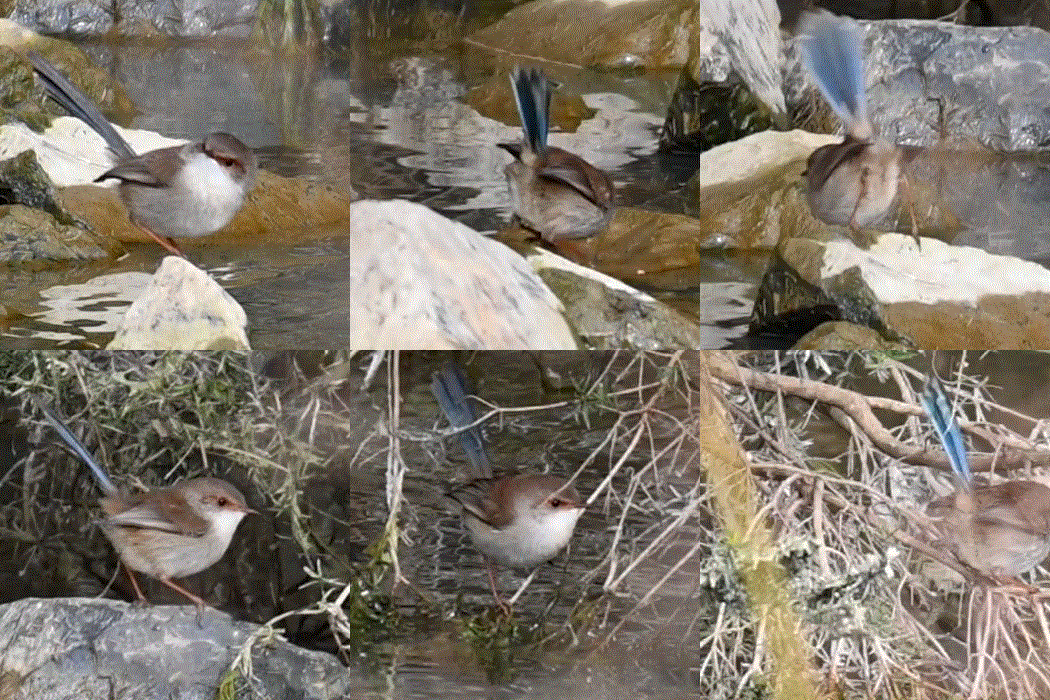 superb fairywren
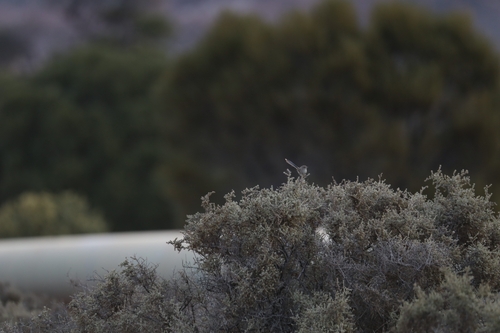 white-winged fairywren
Em resumo
A marca de campo mais confiável entre superb fairywren e white-winged fairywren é a presença de manchas brancas ousadas nas asas dos machos adultos de white-winged fairywren em plumagem de reprodução, que estão completamente ausentes em superb fairywren em qualquer idade ou sexo. Fora da plumagem de reprodução, as fêmeas e imaturos de ambas as espécies são marrons sem graça com caudas azuis, mas a fêmea de white-winged fairywren é mais clara e arenosa, e a cauda azul é mais clara do que a do superb. A cor e a forma do bico, bem como diferenças sutis no comprimento da cauda e no comportamento, podem ajudar quando a plumagem é ambígua. O habitat e a distribuição também fornecem pistas fortes: superb fairywren é um pássaro dos habitats mais úmidos do sudeste da Austrália, enquanto white-winged fairywren é encontrado em regiões centrais e ocidentais mais secas e áridas.
Dicas de identificação
- Manchas brancas nas asas (somente macho de white-winged em reprodução): Se você ver manchas brancas ousadas nas asas ou ombros, especialmente em voo ou exibição, é um white-winged fairywren. Superb fairywren nunca mostra branco nas asas em qualquer idade ou sexo.
- Plumagem do macho em reprodução: Machos de superb fairywren têm uma coroa azul brilhante, coberturas auriculares, manto e cauda, com uma máscara e garganta pretas. Machos de white-winged fairywren em reprodução são azuis cobalto ou pretos pelo corpo com asas e ombros brancos (dependendo da subespécie).
- Cor das fêmeas e imaturos: Fêmeas e imaturos de superb fairywren são cinza-marrons com cauda azul; fêmeas e imaturos de white-winged fairywren são mais claras, marrons-arenosas com cauda azul mais clara e bico rosado-amarelado.
- Cor e comprimento da cauda: Ambas as espécies têm caudas longas e eretas, mas o azul da cauda de white-winged fairywren é mais claro em fêmeas e imaturos. A cauda de superb fairywren é de um azul mais profundo em machos em reprodução e mais opaca em aves não reprodutoras.
- Cor do bico: Fêmeas e juvenis de superb fairywren têm bico marrom; machos em reprodução têm bico preto. Fêmeas de white-winged fairywren têm bico rosado-amarelado, enquanto machos em reprodução têm bico preto. Machos imaturos de white-winged desenvolvem um bico mais escuro no final do verão ou outono.
- Forma do bico: O bico de white-winged fairywren é mais fino e pontudo do que o do superb, mas isso é sutil e melhor visto de perto.
- Machos não reprodutores: Machos não reprodutores de ambas as espécies se assemelham às fêmeas, mas machos de white-winged fairywren podem mostrar algumas penas azuis ou brancas, especialmente à medida que envelhecem. Machos não reprodutores de superb fairywren são marrons opacos com cauda azulada e bico marrom.
- Confusão juvenil: Os juvenis de ambas as espécies são marrons com caudas azuis, mas os juvenis de white-winged fairywren são mais claros e arenosos, com cauda azul mais clara e bico rosado-amarelado. Os juvenis de superb fairywren são mais uniformemente cinza-marrons com cauda azul mais opaca e bico marrom.
- Visões em voo: Em voo, machos de white-winged fairywren em plumagem de reprodução mostram flashes brancos nas asas; superb fairywren nunca faz isso. Ambos têm asas curtas e arredondadas e caudas longas, mas o branco nas asas é diagnóstico para white-winged.
- Habitat e distribuição: Superb fairywren é encontrado em habitats mais úmidos do sudeste da Austrália; white-winged fairywren é restrito a regiões áridas e semiáridas do centro e oeste da Austrália. Se você estiver em um jardim ou parque urbano no sudeste, é quase certamente um superb; em arbustos áridos, white-winged é muito mais provável.
- Estrutura do grupo: Ambas as espécies formam pequenos grupos sociais, mas grupos de white-winged fairywren podem incluir machos marrons ou parcialmente azuis e uma fêmea reprodutora, com ajudantes de ninhadas anteriores.
- Temporização sazonal: Machos em reprodução de ambas as espécies são mais óbvios na primavera e no verão, mas aves não reprodutoras e imaturas dominam no outono e no inverno, tornando a identificação mais difícil então—confie mais na cor do bico, cor da cauda e habitat.
- Sem branco em superb: Se você ver qualquer branco nas asas ou ombros, descarte superb fairywren imediatamente.
- Sem máscara preta em white-winged: Apenas machos de superb fairywren em reprodução têm máscara e garganta pretas; white-winged fairywren nunca mostra esse padrão.
- Diferença de tamanho sutil: Superb fairywren é ligeiramente maior, mas isso raramente é útil em campo, a menos que ambas as espécies estejam lado a lado.
Tamanho
Superb fairywren é ligeiramente maior, com uma média de 14 cm de comprimento e 8–13 g de massa, em comparação com os 11–13,5 cm e 7,2–10,9 g de white-winged fairywren para machos (fêmeas semelhantes). Ambos têm caudas proporcionalmente longas, mas a diferença de tamanho é sutil e raramente diagnóstica em campo. O comprimento do bico é semelhante, mas o bico de white-winged fairywren é mais fino e pontudo.
Plumagem
-
Juvenis e Imaturos: Os juvenis de ambas as espécies são marrons com caudas azuis, mas os juvenis de white-winged fairywren têm um tom mais claro, marron-arenoso e uma cauda azul mais clara, enquanto os juvenis de superb fairywren são mais uniformemente cinza-marrons com uma cauda azul mais opaca. A cor do bico é rosada-amarelada em white-winged e marrom em superb. Nenhum padrão distintivo na parte superior da asa é notado para nenhuma das espécies nesta idade.
-
Machos Adultos em Reprodução: Machos de superb fairywren têm uma testa azul brilhante, coberturas auriculares, manto e cauda, com uma máscara e garganta pretas, e asas marrons. Machos de white-winged fairywren em reprodução (dependendo da subespécie) são de corpo azul cobalto ou preto com asas e ombros brancos marcantes—esse branco é especialmente visível em voo e é único entre os fairywrens australianos. Superb fairywren nunca mostra branco nas asas.
-
Fêmeas Adultas: Ambas são marrons com caudas azuis, mas fêmeas de superb fairywren são mais uniformemente cinza-marrons, enquanto fêmeas de white-winged fairywren são mais claras, marrons-arenosas, com bico rosado-amarelado e cauda azul mais clara.
-
Machos Não Reprodutores/Eclipse: Os machos de ambas as espécies em plumagem de eclipse se assemelham às fêmeas, mas machos de white-winged fairywren mantêm um bico mais escuro e podem mostrar algumas penas azuis ou brancas, especialmente em aves mais velhas. Machos de superb fairywren em eclipse são marrons opacos com cauda azulada e bico marrom.
Comportamento
Ambas as espécies são alimentadoras ativas e inquietas, pulando e saltando com as caudas eretas. Superb fairywren é frequentemente visto em solo aberto perto de abrigo, enquanto white-winged fairywren é mais provável de ser encontrado em arbustos áridos ou campo aberto. Ambas as espécies se movem em pequenos grupos sociais, muitas vezes com ajudantes. Em voo, ambas têm asas curtas e arredondadas e fazem voos curtos e baixos, mas machos de white-winged fairywren podem mostrar flashes brancos conspícuos durante exibições ou voos, o que superb nunca faz.
Habitat
Superb fairywren é comum e familiar no sudeste da Austrália, favorecendo habitats mais úmidos, como florestas, matas, jardins e parques urbanos. White-winged fairywren é encontrado nas regiões mais secas e áridas do centro e oeste da Austrália, incluindo áreas abertas de arbustos e gramados. A sobreposição é mínima; o contexto do habitat é uma pista forte se você conhece sua localização.
superb fairywren · white-winged fairywren · Minhas aves difíceis