

Superb Fairywren vs White-winged Fairywren
Malurus cyaneus contro Malurus leucopterus
Fai un quiz con Superb Fairywren e White-winged Fairywren
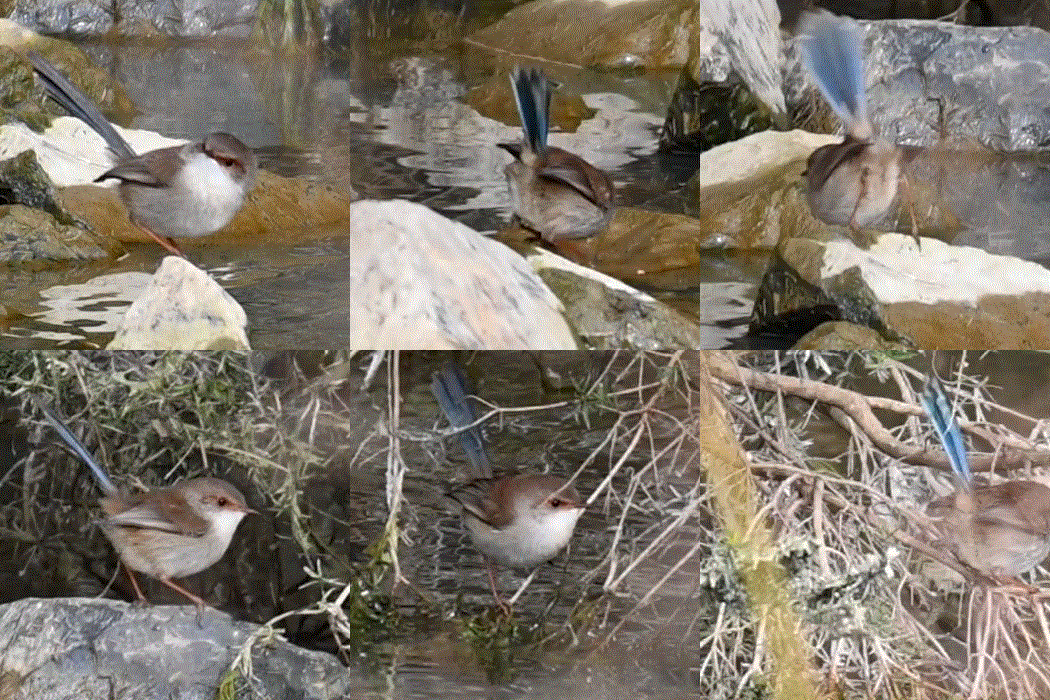 Superb Fairywren
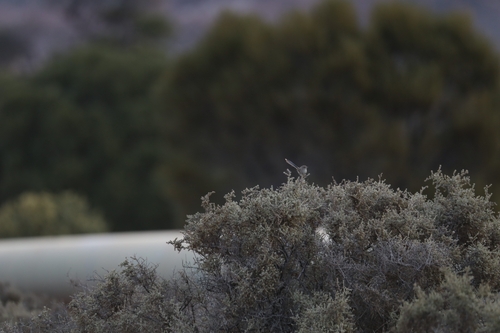 White-winged Fairywren
In breve
Il segno di campo più affidabile tra Superb Fairywren e White-winged Fairywren è la presenza di macchie bianche audaci sulle ali dei maschi adulti di White-winged Fairywren in abito nuziale, che sono completamente assenti in Superb Fairywren a qualsiasi età o sesso. Al di fuori dell'abito nuziale, le femmine e gli immaturi di entrambe le specie sono di un marrone opaco con code blu, ma la femmina di White-winged Fairywren è più chiara e sabbiosa, e la coda blu è più chiara rispetto a quella del Superb. Il colore e la forma del becco, così come le sottili differenze nella lunghezza della coda e nel comportamento, possono aiutare quando l'abito è ambiguo. L'habitat e l'areale forniscono anche forti indizi: Superb Fairywren è un uccello degli habitat più umidi del sud-est dell'Australia, mentre White-winged Fairywren si trova in regioni centrali e occidentali più secche e aride.
Consigli di identificazione
- Macchie bianche sulle ali (solo maschio in abito nuziale White-winged): Se vedi macchie bianche audaci sulle ali o sulle spalle, specialmente in volo o in mostra, è un White-winged Fairywren. Superb Fairywren non mostra mai bianco nelle ali a qualsiasi età o sesso.
- Abito del maschio in riproduzione: I maschi di Superb Fairywren hanno una corona blu brillante, copritrici auricolari, mantello e coda, con una maschera nera e una gola. I maschi in riproduzione di White-winged Fairywren sono blu cobalto o neri sul corpo con ali e spalle bianche (a seconda della sottospecie).
- Colore delle femmine e degli immaturi: Le femmine e gli immaturi di Superb Fairywren sono grigio-marroni con una coda blu; le femmine e gli immaturi di White-winged Fairywren sono più chiare, marroni sabbiosi con una coda blu più chiara e un becco rosa-buff.
- Colore e lunghezza della coda: Entrambe le specie hanno code lunghe e dritte, ma il blu della coda di White-winged Fairywren è più chiaro nelle femmine e negli immaturi. La coda di Superb Fairywren è di un blu più profondo nei maschi in riproduzione e più opaca negli uccelli non in riproduzione.
- Colore del becco: Le femmine e i giovani di Superb Fairywren hanno un becco marrone; i maschi in riproduzione hanno un becco nero. Le femmine di White-winged Fairywren hanno un becco rosa-buff, mentre i maschi in riproduzione hanno un becco nero. I maschi immaturi di White-winged sviluppano un becco più scuro entro la fine dell'estate o in autunno.
- Forma del becco: Il becco di White-winged Fairywren è più fine e appuntito rispetto a quello del Superb, ma questo è sottile e meglio visibile da vicino.
- Maschi non in riproduzione: I maschi non in riproduzione di entrambe le specie assomigliano alle femmine, ma i maschi di White-winged Fairywren possono mostrare alcune piume blu o bianche, specialmente con l'età. I maschi non in riproduzione di Superb Fairywren sono di un marrone opaco con una coda grigio-blu.
- Confusione giovanile: I giovani di entrambe le specie sono marroni con code blu, ma i giovani di White-winged Fairywren sono più chiari e sabbiosi, con una coda blu più chiara e un becco rosa-buff. I giovani di Superb Fairywren sono più uniformemente grigio-marroni con una coda blu più opaca e un becco marrone.
- Viste in volo: In volo, i maschi di White-winged Fairywren in abito nuziale mostrano lampi bianchi sulle ali; Superb Fairywren non lo fa mai. Entrambi hanno ali corte e arrotondate e lunghe code, ma il bianco nelle ali è diagnostico per White-winged.
- Habitat e areale: Superb Fairywren si trova negli habitat più umidi del sud-est dell'Australia; White-winged Fairywren è limitato a regioni aride e semi-aride del centro e dell'ovest dell'Australia. Se ti trovi in un giardino o in un parco urbano nel sud-est, è quasi certamente un Superb; in un cespuglio arido, è molto più probabile che sia un White-winged.
- Struttura del gruppo: Entrambe le specie formano piccoli gruppi sociali, ma i gruppi di White-winged Fairywren possono includere maschi marroni o parzialmente blu e una femmina in riproduzione, con aiutanti da covate precedenti.
- Tempistiche stagionali: I maschi in riproduzione di entrambe le specie sono più evidenti in primavera e estate, ma gli uccelli non in riproduzione e immaturi dominano in autunno e inverno, rendendo l'identificazione più difficile in quel periodo—fai affidamento di più sul colore del becco, sul colore della coda e sull'habitat.
- Nessun bianco in Superb: Se vedi del bianco nelle ali o sulle spalle, escludi immediatamente Superb Fairywren.
- Nessuna maschera nera in White-winged: Solo i maschi in riproduzione di Superb Fairywren hanno una maschera e una gola nere; White-winged Fairywren non mostra mai questo schema.
- Sottile differenza di dimensioni: Superb Fairywren è leggermente più grande, ma questo è raramente utile sul campo a meno che entrambe le specie non siano affiancate.
Taglia
Superb Fairywren è leggermente più grande, con una lunghezza media di 14 cm e una massa di 8–13 g, rispetto ai 11–13,5 cm e 7,2–10,9 g di White-winged Fairywren per i maschi (femmine simili). Entrambi hanno code proporzionalmente lunghe, ma la differenza di dimensioni è sottile e raramente diagnostica sul campo. La lunghezza del becco è simile, ma il becco di White-winged Fairywren è più fine e appuntito.
Piumaggio
-
Giovani e Immaturi: I giovani di entrambe le specie sono marroni con code blu, ma i giovani di White-winged Fairywren hanno una tonalità marrone sabbiosa più chiara e una coda blu più chiara, mentre i giovani di Superb Fairywren sono più uniformemente grigio-marroni con una coda blu più opaca. Il colore del becco è rosa-buff in White-winged e marrone in Superb. Nessun modello distintivo sulla parte superiore dell'ala è notato per entrambe le specie a questa età.
-
Maschi Adulto in Riproduzione: I maschi di Superb Fairywren hanno una fronte blu brillante, copritrici auricolari, mantello e coda, con una maschera nera e una gola, e ali marroni. I maschi in riproduzione di White-winged Fairywren (a seconda della sottospecie) sono blu cobalto o neri con ali e spalle bianche sorprendenti—questo bianco è particolarmente visibile in volo ed è unico tra i fairywrens australiani. Superb Fairywren non mostra mai bianco nelle ali.
-
Femmine Adulte: Entrambe sono marroni con code blu, ma le femmine di Superb Fairywren sono più uniformemente grigio-marroni, mentre le femmine di White-winged Fairywren sono più chiare, marroni sabbiosi, con un becco rosa-buff e una coda blu più chiara.
-
Maschi Non in Riproduzione/Eclissi: I maschi di entrambe le specie in abito di eclissi assomigliano alle femmine, ma i maschi di White-winged Fairywren mantengono un becco più scuro e possono mostrare alcune piume blu o bianche, specialmente negli uccelli più anziani. I maschi di Superb Fairywren in eclissi sono di un marrone opaco con una coda grigio-blu e un becco marrone.
Comportamento
Entrambe le specie sono alimentatori attivi e irrequieti, saltellando e rimbalzando con le code tenute dritte. Superb Fairywren è spesso visto in terreni aperti vicino a ripari, mentre White-winged Fairywren è più probabile trovarlo in cespugli aridi o in campi aperti. Entrambe le specie si muovono in piccoli gruppi sociali, spesso con aiutanti. In volo, entrambe hanno ali corte e arrotondate e compiono brevi voli bassi, ma i maschi di White-winged Fairywren possono mostrare lampi bianchi evidenti durante la mostra o il volo, cosa che Superb non fa mai.
Habitat
Superb Fairywren è comune e familiare nel sud-est dell'Australia, preferendo habitat più umidi come foreste, boschi, giardini e parchi urbani. White-winged Fairywren si trova nelle regioni più secche e aride del centro e dell'ovest dell'Australia, inclusi cespugli aperti e praterie. L'overlap è minimo; il contesto dell'habitat è un forte indizio se conosci la tua posizione.
Superb Fairywren · White-winged Fairywren · I miei uccelli difficili