

taralhão-cinzento vs papa-moscas-real
Muscicapa striata versus Ficedula parva
Jogue um quiz com taralhão-cinzento e papa-moscas-real
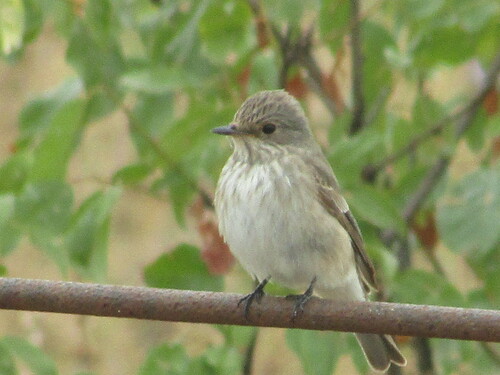 taralhão-cinzento
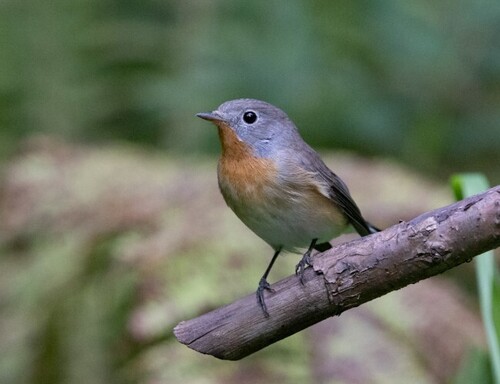 papa-moscas-real
Em resumo
A marca de campo mais confiável entre o taralhão-cinzento e o papa-moscas-real é a presença de uma coroa e peito estriados no taralhão-cinzento de todas as idades, em contraste com o rosto limpo e (em machos adultos) a garganta laranja do papa-moscas-real. Os juvenis de taralhão-cinzento apresentam manchas ocre-amareladas acima e manchas marrons escamosas abaixo, enquanto os juvenis e fêmeas de papa-moscas-real não têm essas características e, em vez disso, apresentam um anel ocular branco claro e um padrão de cauda distinto em preto e branco. A estrutura também ajuda: o taralhão-cinzento tem uma cauda visivelmente mais longa e é maior, com uma postura mais ereta e alongada. Vocalizações e habitat se sobrepõem, então concentre-se na plumagem e na estrutura para a separação.
Dicas de identificação
- Plumagem juvenil/imatura: Procure por manchas ocre-amareladas nas partes superiores e manchas marrons escamosas abaixo no juvenil taralhão-cinzento—os juvenis e fêmeas de papa-moscas-real nunca mostram essas características, aparecendo em vez disso com um anel ocular branco claro.
- Estrias na coroa e peito: O taralhão-cinzento de todas as idades tem estrias marrons na coroa e peito; o papa-moscas-real é sempre sem estrias aqui, com um rosto e garganta limpos (exceto pela mancha laranja em machos adultos).
- Padrão da cauda em voo ou aberta: O papa-moscas-real tem uma cauda preta com bases brancas nas penas externas, visíveis quando a cauda está aberta ou em voo—o taralhão-cinzento não tem branco na cauda, que é uniformemente marronácea com bordas pálidas.
- Anel ocular: O papa-moscas-real (todas as idades) apresenta um anel ocular branco proeminente, que está ausente ou indistinto no taralhão-cinzento.
- Mancha na garganta: O macho adulto do papa-moscas-real tem uma mancha de garganta laranja brilhante; o taralhão-cinzento nunca mostra laranja na garganta. Fêmeas e imaturos de papa-moscas-real não têm o laranja, então use outras marcas nesses casos.
- Coloração geral: O taralhão-cinzento é cinza-marron acima e quase branco abaixo, com um tom ligeiramente mais frio; o papa-moscas-real é marron mais quente acima, especialmente nos machos.
- Estrutura das asas e cauda: O taralhão-cinzento tem asas e cauda mais longas, dando um perfil mais alongado e ereto; o papa-moscas-real é menor, mais compacto e frequentemente abana a cauda para cima.
- Postura empoleirada: O taralhão-cinzento se senta ereto e alongado, frequentemente retornando ao mesmo poleiro; o papa-moscas-real é mais ativo, abanando a cauda e às vezes pairando perto da folhagem.
- Cor do bico: Ambos têm bico preto, mas o papa-moscas-real frequentemente mostra uma base rosa pálida, especialmente nos machos; o bico do taralhão-cinzento é totalmente preto.
- Voz: O taralhão-cinzento emite um chamado suave e agudo 'tssssseeeeeppppp'; o papa-moscas-real emite um chamado ruidoso 'zrrrt' e, na primavera, uma doce canção assobiada. Os chamados são sutis e melhor utilizados como evidência de apoio.
- Habitat: Não é diagnosticável de forma confiável, mas o taralhão-cinzento é mais amplamente distribuído na Europa ocidental como reprodutor; o papa-moscas-real é mais provável como migrante ou na Europa Oriental/Ásia Central.
- Tamanho: O taralhão-cinzento é visivelmente maior (14,5 cm vs 11–12 cm); com experiência, isso é aparente em campo, especialmente quando ambas as espécies estão presentes.
- Sexo e estação: Apenas o macho adulto do papa-moscas-real mostra a garganta laranja; fêmeas e imaturos são mais simples, então confie no anel ocular, padrão da cauda e falta de estrias para esses.
- Armadilhas: Cuidado com taralhões-cinzentos apagados ou desgastados que parecem simples—verifique por estrias sutis e falta de anel ocular/padrão da cauda. Juvenis de taralhão-cinzento podem parecer confusamente manchados, mas isso nunca é mostrado pelo papa-moscas-real.
- Visões de voo: Em voo, procure pelas bases brancas da cauda do papa-moscas-real e pelas asas mais longas e pontudas do taralhão-cinzento.
Tamanho
O taralhão-cinzento é maior, medindo cerca de 14,5 cm de comprimento e pesando 14–20 g [wikipedia]. O papa-moscas-real é menor, com 11–12 cm de comprimento [wikipedia]. Essa diferença de tamanho é frequentemente visível em comparação direta ou com experiência, com o taralhão-cinzento parecendo mais longo e esbelto, especialmente na cauda e asas. O tamanho do bico é semelhante, mas o taralhão-cinzento é overall mais robusto.
Plumagem
- Juvenis/Imaturos: Os juvenis de taralhão-cinzento têm manchas ocre-amareladas nas partes superiores e manchas marrons escamosas abaixo, dando uma aparência distintamente manchada. Os juvenis e fêmeas de papa-moscas-real não têm essas manchas, apresentando em vez disso partes superiores marrons mais simples e um anel ocular branco claro. Ambas as espécies são marronadas acima e pálidas abaixo como imaturos, mas apenas o taralhão-cinzento é fortemente manchado e estriado.
- Adultos: O adulto taralhão-cinzento é cinza-marron acima, quase branco abaixo, com estrias marrons na coroa, garganta e peito. Os machos adultos de papa-moscas-real têm partes superiores marrons atenuadas, cabeça cinza, partes inferiores brancas e uma bem definida mancha de garganta laranja (fêmeas e imaturos não têm o laranja). Ambos os sexos de papa-moscas-real têm um anel ocular branco proeminente e uma cauda preta com bases brancas nas penas externas, que é diagnóstica em voo ou quando a cauda está aberta. O taralhão-cinzento não tem esse padrão de cauda, possuindo penas de cauda uniformemente marronadas com bordas pálidas.
- Asas: O taralhão-cinzento tem asas longas com margens finas pálidas; as asas do papa-moscas-real são proporcionalmente mais curtas e menos pontudas, sem painéis pálidos distintivos.
Comportamento
Ambas as espécies caçam saltando de poleiros para pegar insetos, mas o taralhão-cinzento frequentemente usa uma postura mais ereta e retorna ao mesmo poleiro repetidamente. O papa-moscas-real frequentemente abana a cauda para cima e mantém as pontas das asas para baixo enquanto empoleirado, e pode forragear mais na copa ou entre as folhas, às vezes pairando brevemente. Ambas podem ser vistas em poleiros expostos, mas o taralhão-cinzento parece mais alongado e estático, enquanto o papa-moscas-real é mais ativo e abana a cauda com mais frequência.
Habitat
Ambas as espécies podem se sobrepor em bordas de florestas, jardins e parques, mas o taralhão-cinzento se reproduz amplamente pela Europa e oeste da Ásia, enquanto o papa-moscas-real se reproduz principalmente na Europa Oriental e na Ásia Central e é um migrante de passagem no oeste. O habitat não é um separador confiável na migração ou em florestas mistas, mas o taralhão-cinzento é mais provável na Europa Ocidental como reprodutor.
Voz
O taralhão-cinzento emite um chamado fino, agudo e descendente 'tssssseeeeeppppp'. O papa-moscas-real tem um chamado curto e ruidoso 'zrrrt' e, em machos reprodutores, uma doce canção assobiada com notas introdutórias suaves e uma sequência descendente. Os chamados nem sempre são diagnósticos, mas o chamado ruidoso do papa-moscas-real é mais lento e mecânico do que o chamado suave e agudo do taralhão-cinzento. A canção é dada apenas por machos adultos por algumas semanas na primavera e não é ouvida na migração ou no inverno.