
Pigliamosche/Pigliamosche tirrenico vs Pigliamosche pettirosso
Muscicapa striata contro Ficedula parva
Fai un quiz con Pigliamosche/Pigliamosche tirrenico e Pigliamosche pettirosso
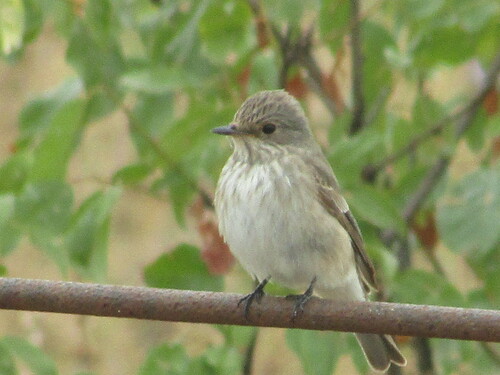 Pigliamosche/Pigliamosche tirrenico
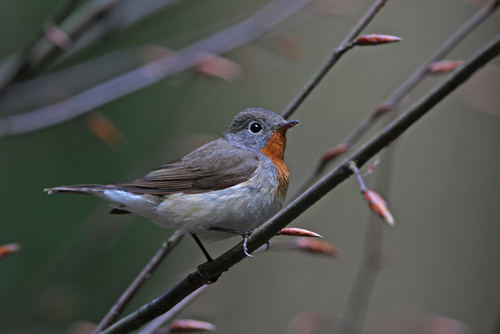 Pigliamosche pettirosso
In breve
Il segno distintivo più affidabile tra Pigliamosche tirrenico e Pigliamosche pettirosso è la presenza di una corona e un petto striati nel Pigliamosche tirrenico di tutte le età, rispetto al volto pulito e (nei maschi adulti) alla gola arancione del Pigliamosche pettirosso. I Pigliamosche tirrenico giovani mostrano macchie ocra-buff sopra e macchie marroni squamose sotto, mentre i giovani e le femmine del Pigliamosche pettirosso non presentano queste e hanno invece un anello oculare bianco chiaro e un distintivo motivo di coda bianco e nero. Anche la struttura aiuta: il Pigliamosche tirrenico ha una coda visibilmente più lunga e una dimensione maggiore, con un aspetto più eretto ed allungato. Le vocalizzazioni e l'habitat si sovrappongono, quindi concentrati sul piumaggio e sulla struttura per la separazione.
Consigli di identificazione
- Piumaggio giovanile/immaturo: Cerca macchie ocra-buff sulla parte superiore e macchie marroni squamose sotto nel Pigliamosche tirrenico giovane—i giovani e le femmine del Pigliamosche pettirosso non mostrano mai queste, apparendo invece semplici con un anello oculare bianco chiaro.
- Striature sulla corona e sul petto: Il Pigliamosche tirrenico di tutte le età ha striature marroni sulla corona e sul petto; il Pigliamosche pettirosso è sempre privo di striature qui, con un volto e una gola puliti (eccetto per la macchia arancione nei maschi adulti).
- Motivo della coda in volo o aperta: Il Pigliamosche pettirosso ha una coda nera con basi bianche sulle piume esterne, visibile quando la coda è aperta o in volo—il Pigliamosche tirrenico non ha alcun bianco nella coda, che è uniformemente marrone con bordi chiari.
- Anello oculare: Il Pigliamosche pettirosso (tutte le età) mostra un prominente anello oculare bianco, che è assente o indistinto nel Pigliamosche tirrenico.
- Macchia sulla gola: Il maschio adulto del Pigliamosche pettirosso ha una brillante macchia arancione sulla gola; il Pigliamosche tirrenico non mostra mai alcun arancione sulla gola. Le femmine e gli immaturi del Pigliamosche pettirosso mancano dell'arancione, quindi usa altri segni in quei casi.
- Colorazione generale: Il Pigliamosche tirrenico è grigio-marrone sopra e bianco sporco sotto, con una tonalità leggermente più fredda; il Pigliamosche pettirosso è marrone più caldo sopra, specialmente nei maschi.
- Struttura delle ali e della coda: Il Pigliamosche tirrenico ha ali e coda più lunghe, dando un profilo più allungato ed eretto; il Pigliamosche pettirosso è più piccolo, più compatto e spesso muove la coda verso l'alto.
- Aspetto in perching: Il Pigliamosche tirrenico si siede eretto e allungato, tornando spesso allo stesso posatoio; il Pigliamosche pettirosso è più attivo, muovendo la coda e a volte librandosi vicino al fogliame.
- Colore del becco: Entrambi hanno un becco nero, ma il Pigliamosche pettirosso spesso mostra una base rosa chiara, specialmente nei maschi; il becco del Pigliamosche tirrenico è tutto nero.
- Voce: Il Pigliamosche tirrenico emette un morbido e alto 'tssssseeeeeppppp'; il Pigliamosche pettirosso emette un 'zrrrt' rattling e, in primavera, una dolce canzone fischiata. I richiami sono sottili e meglio utilizzati come prova di supporto.
- Habitat: Non è affidabilmente diagnostico, ma il Pigliamosche tirrenico è più diffuso nell'Europa occidentale come nidificante; il Pigliamosche pettirosso è più probabile come migrante o nell'Europa orientale/Asia centrale.
- Dimensione: Il Pigliamosche tirrenico è visibilmente più grande (14,5 cm contro 11–12 cm); con esperienza, questo è evidente sul campo, specialmente quando entrambe le specie sono presenti.
- Sesso e stagione: Solo il maschio adulto del Pigliamosche pettirosso mostra la gola arancione; le femmine e gli immaturi sono più semplici, quindi fai affidamento sull'anello oculare, sul motivo della coda e sulla mancanza di striature per questi.
- Trappole: Fai attenzione ai Pigliamosche tirrenico opachi o usurati che appaiono semplici—controlla per striature sottili e mancanza di anello oculare/motivo della coda. I giovani Pigliamosche tirrenico possono sembrare confusamente macchiati, ma questo non è mai mostrato dal Pigliamosche pettirosso.
- Viste in volo: In volo, cerca le basi bianche della coda del Pigliamosche pettirosso e le ali più lunghe e appuntite del Pigliamosche tirrenico.
Taglia
Il Pigliamosche tirrenico è più grande, misurando circa 14,5 cm di lunghezza e pesando 14–20 g [wikipedia]. Il Pigliamosche pettirosso è più piccolo, con una lunghezza di 11–12 cm [wikipedia]. Questa differenza di dimensione è spesso visibile in confronto diretto o con esperienza, con il Pigliamosche tirrenico che appare più lungo e snello, specialmente nella coda e nelle ali. La dimensione del becco è simile, ma il Pigliamosche tirrenico è complessivamente più robusto.
Piumaggio
- Giovani/immaturi: I giovani Pigliamosche tirrenico hanno macchie ocra-buff sulla parte superiore e macchie marroni squamose sotto, dando un aspetto distintamente macchiato. I giovani e le femmine del Pigliamosche pettirosso mancano di queste macchie, mostrando invece parti superiori marroni più semplici e un anello oculare bianco chiaro. Entrambe le specie sono marroni sopra e chiare sotto come immaturi, ma solo il Pigliamosche tirrenico è pesantemente macchiato e striato.
- Adulti: L'adulto Pigliamosche tirrenico è grigio-marrone sopra, bianco sporco sotto, con striature marroni sulla corona, gola e petto. I maschi adulti del Pigliamosche pettirosso hanno parti superiori marroni attenuate, una testa grigia, parti inferiori bianche e una ben definita macchia arancione sulla gola (femmine e immaturi mancano dell'arancione). Entrambi i sessi del Pigliamosche pettirosso hanno un prominente anello oculare bianco e una coda nera con basi bianche sulle piume esterne, che è diagnostica in volo o quando la coda è aperta. Il Pigliamosche tirrenico manca di questo motivo di coda, avendo piume della coda uniformemente marroni con bordi chiari.
- Ali: Il Pigliamosche tirrenico ha ali lunghe con margini sottili chiari; le ali del Pigliamosche pettirosso sono proporzionalmente più corte e meno appuntite, senza pannelli chiari distintivi.
Comportamento
Entrambe le specie cacciano saltando da posatoi per catturare insetti, ma il Pigliamosche tirrenico usa spesso una postura più eretta e torna ripetutamente allo stesso posatoio. Il Pigliamosche pettirosso muove frequentemente la coda verso l'alto e tiene le punte delle ali verso il basso mentre è posato, e può cercare cibo più nella chioma o tra le foglie, a volte librandosi brevemente. Entrambi possono essere visti su posatoi esposti, ma il Pigliamosche tirrenico appare più allungato e statico, mentre il Pigliamosche pettirosso è più attivo e muove la coda più spesso.
Habitat
Entrambe le specie possono sovrapporsi nei margini boschivi, giardini e parchi, ma il Pigliamosche tirrenico nidifica ampiamente in tutta Europa e in Asia occidentale, mentre il Pigliamosche pettirosso nidifica principalmente nell'Europa orientale e in Asia centrale ed è un migrante di passaggio a ovest. L'habitat non è un separatore affidabile in migrazione o in boschi misti, ma il Pigliamosche tirrenico è più probabile in Europa occidentale come nidificante.
Voce
Il Pigliamosche tirrenico emette un sottile, acuto e discendente richiamo 'tssssseeeeeppppp'. Il Pigliamosche pettirosso ha un breve richiamo rattling 'zrrrt' e, nei maschi in riproduzione, una dolce canzone fischiata con note introduttive tranquille e una sequenza discendente. I richiami non sono sempre diagnostici, ma il richiamo rattling del Pigliamosche pettirosso è più lento e meccanico rispetto al richiamo morbido e acuto del Pigliamosche tirrenico. La canzone è emessa solo dai maschi adulti per alcune settimane in primavera e non viene udita in migrazione o in inverno.
Pigliamosche/Pigliamosche tirrenico · Pigliamosche pettirosso · I miei uccelli difficili