

taralhão-cinzento vs papa-moscas-preto
Muscicapa striata versus Ficedula hypoleuca
Jogue um quiz com taralhão-cinzento e papa-moscas-preto
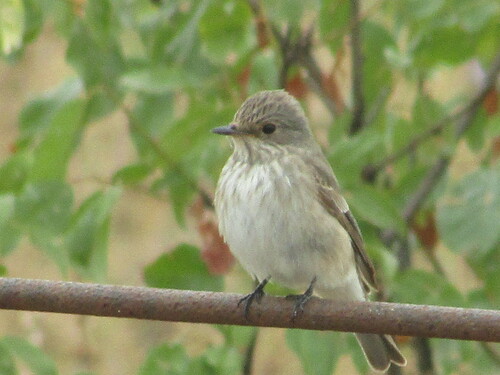 taralhão-cinzento
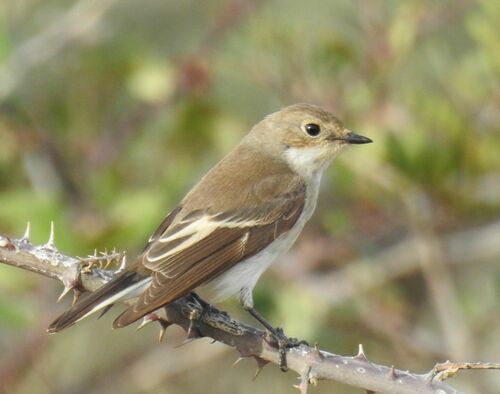 papa-moscas-preto
Em resumo
A marca de campo mais confiável entre o taralhão-cinzento e o papa-moscas-preto é a presença de listras fortes na coroa e no peito do taralhão-cinzento de todas as idades, em contraste com as partes inferiores limpas e sem listras do papa-moscas-preto (exceto por manchas juvenis fracas). Os taralhões-cinzentos juvenis também mostram manchas ocre-amareladas acima e manchas marrons escamosas abaixo, enquanto os jovens papas-moscas-pretos são de um marrom mais simples. Os machos adultos do papa-moscas-preto em plumagem de reprodução são impressionantemente preto e branco, ao contrário do sempre cinza-marron do taralhão-cinzento. A estrutura ajuda: o taralhão-cinzento tem cauda e asas mais longas, com uma aparência mais ereta e esbelta. Ambas as espécies podem parecer semelhantes em plumagem feminina ou imatura sem brilho, mas a atenção cuidadosa às listras, padrão das asas e postura as separará.
Dicas de identificação
- Coroa e Peito Listrados (Todas as Idades): O taralhão-cinzento sempre mostra listras marrons na coroa, garganta e peito. O papa-moscas-preto não possui essas listras em nenhuma idade.
- Plumagem Juvenil: Os taralhões-cinzentos juvenis têm manchas ocre-amareladas acima e manchas marrons escamosas abaixo, fazendo com que pareçam manchados ou escamosos. Os papas-moscas-pretos juvenis são de um marrom simples sem manchas ou listras fortes.
- Papa-moscas-preto Macho Adulto: Os machos em reprodução são inconfundíveis: pretos acima, brancos abaixo, com uma grande mancha branca na asa e branco nas laterais da cauda e na testa. O taralhão-cinzento nunca é preto e branco.
- Papa-moscas-preto Fêmea/Imaturo: Estes podem ser confusamente marrons e brancos, mas carecem do peito e da coroa listrados do taralhão-cinzento. Eles podem mostrar uma mancha de asa fraca, que o taralhão-cinzento nunca tem.
- Padrão das Asas: O papa-moscas-preto (especialmente os machos) mostra uma mancha branca na asa; o taralhão-cinzento tem asas opacas com apenas bordas pálidas, sem mancha.
- Estrutura da Cauda e das Asas: O taralhão-cinzento tem uma cauda e asas mais longas, dando uma aparência mais alongada e ereta quando empoleirado; o papa-moscas-preto é de cauda mais curta e mais compacto.
- Postura ao Empoleirar: O taralhão-cinzento se senta muito ereto, muitas vezes retornando ao mesmo poleiro após um ataque. O papa-moscas-preto é mais horizontal e agita suas asas e cauda com mais frequência.
- Formato do Bico: Ambos têm bicos de base larga típicos de papa-moscas, mas o bico do taralhão-cinzento é ligeiramente mais longo e mais pontudo na impressão.
- Peito e Barriga: O taralhão-cinzento sempre tem algumas listras ou manchas abaixo; o papa-moscas-preto é limpo, branco ou amarelo abaixo (exceto por marcas juvenis fracas).
- Bordas das Asas: O taralhão-cinzento tem bordas finas e pálidas nas penas das asas e da cauda; o papa-moscas-preto pode mostrar uma mancha de asa mais óbvia (machos) ou um painel fraco (fêmeas/imaturos).
- Armadilhas Sazonais: No outono, ambas as espécies podem parecer sem brilho; confie nas listras (taralhão) versus simplicidade (papa-moscas-preto) e procure qualquer mancha residual na asa do papa-moscas-preto.
- Habitat: A sobreposição é extensa, mas o papa-moscas-preto está mais ligado a florestas maduras com cavidades, enquanto o taralhão-cinzento é comum em jardins e florestas abertas.
- Tamanho: O taralhão-cinzento é ligeiramente maior e de cauda mais longa, mas isso é sutil e melhor usado em comparação direta.
- Voz: Se ouvido, o taralhão-cinzento emite um 'tssssseeeeeppppp' fino e descendente; as chamadas do papa-moscas-preto não são descritas aqui.
- Subespécies: Os papa-moscas do Mediterrâneo (anteriormente subespécies do taralhão-cinzento) podem ser mais pálidos e menos listrados, mas ainda mostram mais listras do que o papa-moscas-preto.
Tamanho
O taralhão-cinzento é ligeiramente maior e mais pesado, com uma média de cerca de 14,5 cm de comprimento e 14–20 g de peso, enquanto o papa-moscas-preto é menor, com 12–13,5 cm e cerca de 12 g. No campo, essa diferença de tamanho é sutil, mas o taralhão-cinzento muitas vezes parece mais longo e esbelto, com uma cauda e asas proporcionalmente mais longas. O papa-moscas-preto é mais compacto e de cauda curta, especialmente notável quando empoleirado.
Plumagem
- Juvenis/Primeiros anos: Os taralhões-cinzentos juvenis são marrons acima com manchas ocre-amareladas nas partes superiores e manchas marrons escamosas abaixo, além de listras distintas na coroa e no peito. Os papas-moscas-pretos juvenis são mais simples, marrons acima e abaixo, sem listras ou manchas fortes, e não mostram a aparência escamosa ou manchada do taralhão-cinzento.
- Machos adultos (reprodução): Os machos do papa-moscas-preto são audaciosamente pretos acima e brancos abaixo, com uma grande mancha branca na asa, laterais da cauda brancas e uma pequena mancha branca na testa. Os adultos do taralhão-cinzento são sempre cinza-marron acima e off-white abaixo, com listras marrons na coroa, garganta e peito, e nunca mostram contraste preto e branco ou manchas nas asas.
- Fêmeas/Machos não reprodutores: As fêmeas e os machos não reprodutores do papa-moscas-preto são marrons pálidos acima e esbranquiçados abaixo, às vezes com uma mancha de asa fraca, mas carecem da coroa e do peito listrados do taralhão-cinzento. O taralhão-cinzento permanece listrado e cinza-marron opaco durante todo o ano, com bordas finas mais claras nas penas das asas e da cauda.
- Padrão das Asas: O papa-moscas-preto (todas as idades) pode mostrar uma mancha branca na asa (especialmente os machos), enquanto o taralhão-cinzento tem asas uniformemente opacas com apenas bordas pálidas, nunca uma mancha na asa.
Comportamento
Ambas as espécies caçam insetos de poleiros, mas o taralhão-cinzento é especialmente notado por sua postura ereta e uso repetido do mesmo poleiro para ataques. O papa-moscas-preto é mais inquieto, frequentemente agitando asas e cauda, e pode parecer mais ativo em voos curtos entre poleiros. A cauda e as asas mais longas do taralhão-cinzento lhe conferem uma aparência mais alongada e ereta quando empoleirado, enquanto o papa-moscas-preto é mais compacto e horizontal.
Habitat
Ambas as espécies se reproduzem amplamente pela Europa e pelo Paleártico Ocidental, muitas vezes em habitats florestais ou de parques semelhantes. Há uma sobreposição significativa, portanto, o habitat sozinho não é diagnóstico, mas o taralhão-cinzento pode ser mais provável em florestas abertas, jardins e bordas, enquanto o papa-moscas-preto prefere florestas decíduas ou mistas maduras, especialmente com caixas-ninho ou cavidades naturais.
Voz
A chamada do taralhão-cinzento é um 'tssssseeeeeppppp' fino, prolongado, suave e agudo, ligeiramente descendente em tom. As vocalizações do papa-moscas-preto não são descritas nas notas fornecidas, portanto, a voz não é um separador confiável com base nessas informações.
taralhão-cinzento · papa-moscas-preto · Minhas aves difíceis