

Pigliamosche/Pigliamosche tirrenico vs Balia nera
Muscicapa striata contro Ficedula hypoleuca
Fai un quiz con Pigliamosche/Pigliamosche tirrenico e Balia nera
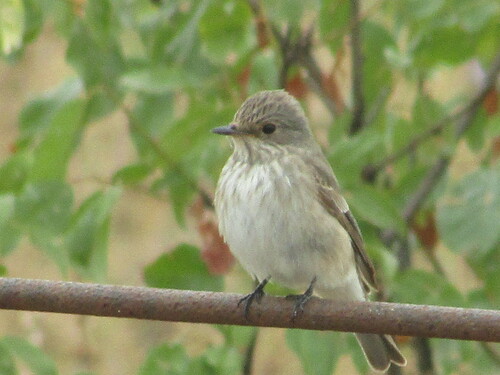 Pigliamosche/Pigliamosche tirrenico
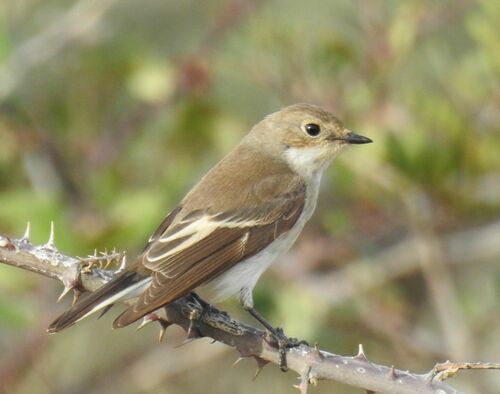 Balia nera
In breve
Il segno di campo più affidabile tra il Pigliamosche tirrenico e la Balia nera è la presenza di forti striature sulla corona e sul petto nel Pigliamosche tirrenico di tutte le età, rispetto alle parti inferiori pulite e senza striature della Balia nera (eccetto per deboli macchie giovanili). I Pigliamosche tirrenici giovani mostrano anche macchie ocra-buff sopra e macchie brune squamose sotto, mentre i giovani Balia nere sono di un marrone più uniforme. I maschi adulti di Balia nera in abito nuziale sono sorprendentemente nero e bianco, a differenza del sempre grigio-marrone Pigliamosche tirrenico. La struttura aiuta: il Pigliamosche tirrenico ha una coda e ali più lunghe, con un aspetto più eretto e snello. Entrambe le specie possono apparire simili in piumaggio femminile o immaturo opaco, ma un'attenta attenzione alle striature, al modello delle ali e alla postura le separerà.
Consigli di identificazione
- Corona e petto striati (tutte le età): Il Pigliamosche tirrenico mostra sempre striature marroni sulla corona, sulla gola e sul petto. La Balia nera non ha queste striature a tutte le età.
- Piumaggio giovanile: I Pigliamosche tirrenici giovani hanno macchie ocra-buff sopra e macchie brune squamose sotto, facendoli apparire maculati o squamosi. I giovani Balia nere sono di un marrone uniforme senza forti macchie o striature.
- Maschio adulto di Balia nera: I maschi in riproduzione sono inconfondibili: neri sopra, bianchi sotto, con una grande macchia bianca sulle ali e bianco sui lati della coda e sulla fronte. Il Pigliamosche tirrenico non è mai nero e bianco.
- Femmina/immaturo di Balia nera: Questi possono essere confusamente marroni e bianchi, ma mancano del petto e della corona striati del Pigliamosche tirrenico. Possono mostrare una leggera macchia sulle ali, che il Pigliamosche tirrenico non ha mai.
- Modello delle ali: La Balia nera (soprattutto i maschi) mostra una macchia bianca sulle ali; il Pigliamosche tirrenico ha ali opache con solo bordi pallidi, senza macchia.
- Struttura della coda e delle ali: Il Pigliamosche tirrenico ha una coda e ali più lunghe, dando un aspetto più allungato e eretto quando è posato; la Balia nera ha una coda più corta e più compatta.
- Postura di posata: Il Pigliamosche tirrenico si siede molto eretto, tornando spesso allo stesso posato dopo un volo. La Balia nera è più orizzontale e muove le ali e la coda più frequentemente.
- Forma del becco: Entrambi hanno becchi a base larga tipici dei pigliamosche, ma quello del Pigliamosche tirrenico è leggermente più lungo e più appuntito nell'impressione.
- Petto e pancia: Il Pigliamosche tirrenico ha sempre alcune striature o macchie sotto; la Balia nera è pulita bianca o buff sotto (eccetto per deboli segni giovanili).
- Bordi delle ali: Il Pigliamosche tirrenico ha bordi sottili e pallidi alle piume delle ali e della coda; la Balia nera può mostrare una macchia più evidente sulle ali (maschi) o un pannello leggero (femmine/immaturi).
- Trappole stagionali: In autunno, entrambe le specie possono apparire opache; fare affidamento sulle striature (Pigliamosche) contro l'uniformità (Balia) e cercare eventuali macchie residue sulle ali nella Balia.
- Habitat: L'overlap è ampio, ma la Balia nera è più legata a boschi maturi con cavità, mentre il Pigliamosche tirrenico è comune in giardini e boschi aperti.
- Dimensione: Il Pigliamosche tirrenico è leggermente più grande e con una coda più lunga, ma questo è sottile e meglio utilizzato in confronto diretto.
- Voce: Se udito, il Pigliamosche tirrenico emette un 'tssssseeeeeppppp' sottile e discendente; le chiamate della Balia nera non sono descritte qui.
- Sottospecie: I pigliamosche mediterranei (precedentemente sottospecie del Pigliamosche tirrenico) possono essere più chiari e meno striati, ma mostrano comunque più striature rispetto alla Balia nera.
Taglia
Il Pigliamosche tirrenico è leggermente più grande e più pesante, con una lunghezza media di circa 14,5 cm e un peso di 14–20 g, mentre la Balia nera è più piccola, con una lunghezza di 12–13,5 cm e circa 12 g. Sul campo, questa differenza di dimensione è sottile, ma il Pigliamosche tirrenico appare spesso più lungo e snello, con una coda e ali proporzionalmente più lunghe. La Balia nera è più compatta e con coda corta, particolarmente evidente quando è posata.
Piumaggio
- Giovani/Primi anni: I Pigliamosche tirrenici giovani sono marroni sopra con macchie ocra-buff sulle parti superiori e macchie brune squamose sotto, oltre a striature distinte sulla corona e sul petto. I giovani Balia nere sono di un marrone più uniforme sopra e sotto, privi di forti striature o macchie, e non mostrano l'aspetto squamoso o maculato del Pigliamosche tirrenico.
- Maschi adulti (riproduzione): I maschi di Balia nera sono audacemente neri sopra e bianchi sotto, con una grande macchia bianca sulle ali, lati della coda bianchi e una piccola macchia bianca sulla fronte. Gli adulti di Pigliamosche tirrenico sono sempre grigio-marrone sopra e bianco sporco sotto, con striature marroni sulla corona, sulla gola e sul petto, e non mostrano mai contrasto nero e bianco o macchie sulle ali.
- Femmine/Maschi non in riproduzione: Le femmine e i maschi non in riproduzione di Balia nera sono di un marrone pallido sopra e bianco sporco sotto, a volte con una leggera macchia sulle ali, ma mancano della corona e del petto striati del Pigliamosche tirrenico. Il Pigliamosche tirrenico rimane striato e di un grigio-marrone opaco tutto l'anno, con bordi più chiari e sottili alle piume delle ali e della coda.
- Modello delle ali: La Balia nera (tutte le età) può mostrare una macchia bianca sulle ali (soprattutto i maschi), mentre il Pigliamosche tirrenico ha ali uniformemente opache con solo bordi pallidi, mai una macchia sulle ali.
Comportamento
Entrambe le specie cacciano insetti da posatoi, ma il Pigliamosche tirrenico è particolarmente noto per la sua postura eretta e l'uso ripetuto dello stesso posato per il volo. La Balia nera è più irrequieta, spesso muovendo ali e coda, e può apparire più attiva in brevi voli tra i posatoi. La coda e le ali più lunghe del Pigliamosche tirrenico gli conferiscono un aspetto più allungato e eretto quando è posato, mentre la Balia nera è più compatta e orizzontale.
Habitat
Entrambe le specie nidificano ampiamente in Europa e nel Paleartico occidentale, spesso in habitat boschivi o di parco simili. C'è un significativo sovrapposizione, quindi l'habitat da solo non è diagnostico, ma il Pigliamosche tirrenico può essere più probabile in boschi aperti, giardini e bordi, mentre la Balia nera preferisce foreste decidue mature o miste, specialmente con nidi artificiali o cavità naturali.
Voce
La chiamata del Pigliamosche tirrenico è un 'tssssseeeeeppppp' sottile, prolungato, morbido e acuto, leggermente discendente nel tono. Le vocalizzazioni della Balia nera non sono descritte nelle note fornite, quindi la voce non è un separatore affidabile basato su queste informazioni.
Pigliamosche/Pigliamosche tirrenico · Balia nera · I miei uccelli difficili