

taralhão-cinzento vs rouxinol
Muscicapa striata versus Luscinia megarhynchos
Jogue um quiz com taralhão-cinzento e rouxinol
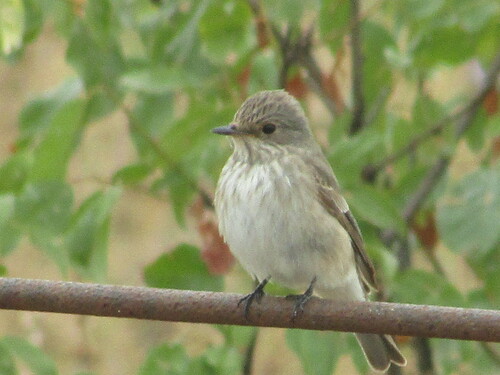 taralhão-cinzento
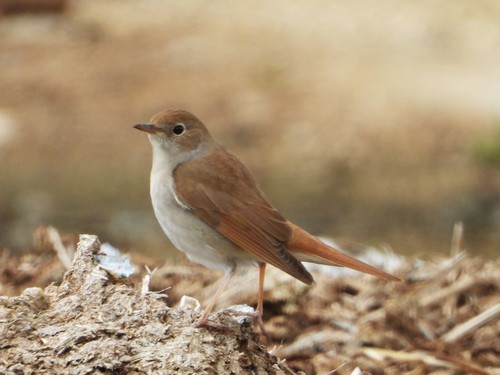 rouxinol
Em resumo
Os taralhões-cinzentos juvenis apresentam manchas ocre-amareladas acima e manchas marrons escamosas abaixo, enquanto os rouxinóis juvenis são marrons simples acima, com uma cauda avermelhada e não apresentam manchas fortes. Os adultos são melhor diferenciados pela coroa e peito estriados do taralhão-cinzento, em comparação com o rosto e partes inferiores simples do rouxinol (exceto pela cauda avermelhada). O taralhão-cinzento é mais esguio, com asas mais longas e uma postura mais ereta e saltitante, enquanto o rouxinol parece mais robusto e mais terrestre. Se cantando, a famosa canção rica e variada do rouxinol é inconfundível, mas aves silenciosas requerem atenção cuidadosa à estrutura e detalhes sutis da plumagem.
Dicas de identificação
- Plumagem juvenil: Procure por manchas ocre-amareladas nas partes superiores e marrons escamosas abaixo em taralhões-cinzentos juvenis; os juvenis de rouxinol são marrons simples acima e amarelo-claro abaixo, com uma cauda ruiva, mas sem manchas. Esta é uma separação forte no final do verão/outono.
- Estrias na coroa e peito (adultos): Os taralhões-cinzentos adultos têm finas estrias marrons na coroa, garganta e peito, enquanto os rouxinóis têm rosto e peito simples (exceto por um supercílios pálido sutil em algumas subespécies orientais).
- Cor da cauda: Rouxinóis de todas as idades têm uma cauda ruiva quente contrastando com as costas marrons; taralhões-cinzentos têm uma cauda marron mais opaca com bordas claras, sem qualquer tom ruivo.
- Estrutura das asas e cauda: Taralhões-cinzentos têm asas e cauda longas, dando uma aparência esguia e alongada, especialmente quando empoleirados eretos. Rouxinóis são mais robustos, com asas mais curtas e um corpo mais arredondado.
- Formato do bico: O bico do taralhão-cinzento é largo na base e pontudo, adequado para capturar insetos em voo; o bico do rouxinol é mais fino e menos largo.
- Cor das pernas: Ambas as espécies têm pernas escuras, então isso não é um separador útil.
- Postura empoleirada: Taralhões-cinzentos empoleiram-se eretos e expostos, muitas vezes altos em galhos ou fios; rouxinóis são mais horizontais, baixos e escondidos em coberturas densas.
- Comportamento de forrageamento: Observe por voos repetidos de saltos de um poleiro (taralhão) versus forrageamento no solo ou em vegetação baixa (rouxinol).
- Habitat: Em matas densas e úmidas ou arbustos, o rouxinol é mais provável; em florestas abertas, parques ou jardins com árvores dispersas, espere encontrar o taralhão-cinzento.
- Canção: Se cantando, a canção rica, variada e alta do rouxinol é inconfundível; o chamado do taralhão-cinzento é fino, suave e facilmente perdido.
- Contexto sazonal: Ambas são migratórias, mas o rouxinol é muito mais localizado e escasso no norte/oeste da Europa; verifique a abundância local no eBird se não tiver certeza.
- Diferenças sexuais: Ambas as espécies são monomórficas sexualmente em plumagem; não confie no sexo para separação.
- Visões de voo: Não há padrão forte de asas em nenhuma das espécies, mas as longas asas pontudas do taralhão-cinzento podem ser aparentes em voo em comparação com as asas mais curtas e arredondadas do rouxinol.
- Confusão de subespécies: Rouxinóis orientais podem mostrar um supercílios pálido, mas ainda assim carecem de estrias no peito; taralhões do Mediterrâneo (separados do taralhão-cinzento) são mais claros, mas mantêm o peito estriado.
- Armadilhas: Cuidado com aves desgastadas ou em muda, que podem perder algumas estrias ou parecer mais simples; sempre combine múltiplas marcas para uma identificação confiante.
Tamanho
O rouxinol é ligeiramente maior, medindo 15–16,5 cm de comprimento, em comparação com os 14,5 cm do taralhão-cinzento. Ambas são pequenas passeriformes, mas o rouxinol é mais robusto, enquanto o taralhão é mais esguio e alongado, com asas e cauda mais longas em relação ao tamanho do corpo. As faixas de peso se sobrepõem (taralhão: 14–20 g), mas a construção mais robusta do rouxinol é frequentemente aparente em campo. [wikipedia][avonet]
Plumagem
- Juvenil/Primeiro ano: Taralhões-cinzentos juvenis são distintamente marcados com manchas ocre-amareladas nas partes superiores e manchas marrons escamosas abaixo, fazendo com que pareçam salpicados e padronizados. Em contraste, os rouxinóis juvenis são marrons simples acima e amarelo-claro a branco abaixo, sem manchas fortes, mas mostram uma cauda avermelhada quente mesmo nesta idade.
- Adulto: Taralhões-cinzentos adultos têm partes superiores cinza-marrons, partes inferiores off-white, e mostram finas estrias marrons na coroa, garganta e peito. Suas asas e cauda são contornadas com bordas claras. Rouxinóis são marrons simples acima, com uma cauda ruiva contrastante e partes inferiores amarelo-claro a brancas, sem estrias ou marcas faciais fortes, exceto em algumas subespécies orientais (que podem mostrar um supercílios pálido). Ambas as espécies têm pernas e bicos escuros semelhantes, mas o bico do taralhão-cinzento é mais largo na base e mais pontudo. Os sexos são semelhantes em ambas as espécies. [wikipedia]
Comportamento
Taralhões-cinzentos são clássicos insetívoros aéreos: eles empoleiram-se eretos e conspicuamente, fazendo saltos repetidos para capturar insetos voadores e frequentemente retornando ao mesmo poleiro. Sua postura é ereta e alerta, e eles são frequentemente vistos em locais abertos e elevados. Rouxinóis, em contraste, são mais terrestres e secretos, forrageando principalmente no solo ou perto dele em coberturas densas. Eles raramente fazem saltos para capturar insetos e são mais propensos a serem vistos escondidos em vegetação baixa. O comportamento do taralhão-cinzento é ativo e aberto, enquanto o rouxinol é tímido e reservado. [wikipedia]
Habitat
Taralhões-cinzentos nidificam em florestas abertas, parques, jardins e bordas de florestas em grande parte da Europa e do Paleártico, favorecendo áreas com árvores dispersas e poleiros abertos. Rouxinóis preferem arbustos densos e baixos, matas e florestas cortadas, especialmente em áreas úmidas ou dampas, e são muito menos propensos a serem encontrados em habitats abertos ou urbanos. No Reino Unido, os rouxinóis são muito localizados e estão em declínio, principalmente no sudeste da Inglaterra, enquanto os taralhões-cinzentos são mais amplamente distribuídos, mas também estão em declínio. [wikipedia][ebird]
Voz
O chamado do taralhão-cinzento é um 'tssssseeeeeppppp' fino, suave e agudo, ligeiramente descendente. Não é musical e é facilmente negligenciado. O rouxinol, por outro lado, é renomado por sua canção poderosa, rica e variada, frequentemente entregue à noite ou ao amanhecer, com uma mistura de apitos, trilos e gorgolejos. A canção do rouxinol é uma marca de campo chave e não é igualada pelo taralhão-cinzento. [wikipedia]