
Pigliamosche/Pigliamosche tirrenico vs Usignolo
Muscicapa striata contro Luscinia megarhynchos
Fai un quiz con Pigliamosche/Pigliamosche tirrenico e Usignolo
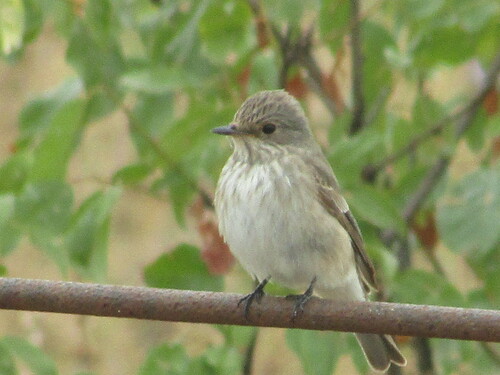 Pigliamosche/Pigliamosche tirrenico
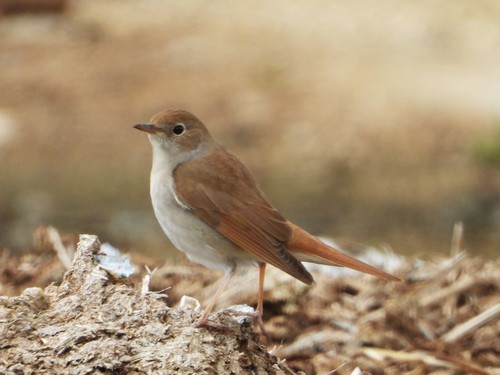 Usignolo
In breve
I giovani Pigliamosche mostrano macchie ocra-buff sopra e macchie marroni squamose sotto, mentre i giovani Usignoli sono marroni uniformi sopra con una coda rossastra e mancano di macchie forti. Gli adulti si distinguono meglio per la corona e il petto striati del Pigliamosche, rispetto al viso e alle parti inferiori uniformi dell'Usignolo (eccetto per la coda rossastra). Il Pigliamosche è più snello, con ali più lunghe e una postura più eretta e svelta, mentre l'Usignolo appare più robusto e più terrestre. Se canta, il famoso canto ricco e variegato dell'Usignolo è inconfondibile, ma gli uccelli silenziosi richiedono attenzione ai dettagli della struttura e del piumaggio.
Consigli di identificazione
- Juvenile plumage: Cerca macchie ocra-buff sulle parti superiori e marroni squamose sotto nei giovani Pigliamosche; i giovani Usignoli sono marroni uniformi sopra e buff sotto, con una coda rufescenti ma senza macchie. Questa è una forte separazione a fine estate/autunno.
- Crown and breast streaking (adults): Gli adulti Pigliamosche hanno striature marroni fini sulla corona, sulla gola e sul petto, mentre gli Usignoli hanno un viso e un petto uniformi (eccetto per un sottile supercilium pallido in alcune sottospecie orientali).
- Tail color: Gli Usignoli di tutte le età hanno una coda rufescenti calda che contrasta con il dorso marrone; i Pigliamosche hanno una coda marrone più opaca con bordi chiari, priva di qualsiasi tono rufescenti.
- Wing and tail structure: I Pigliamosche hanno ali e coda lunghe, dando un aspetto snello ed allungato, specialmente quando sono posati in posizione eretta. Gli Usignoli sono più robusti, con ali più corte e un corpo più rotondo.
- Bill shape: Il becco del Pigliamosche è largo alla base e appuntito, adatto alla cattura di insetti in volo; il becco dell'Usignolo è più fine e meno largo.
- Leg color: Entrambe le specie hanno zampe scure, quindi questo non è un separatore utile.
- Perched posture: I Pigliamosche si posano in posizione eretta ed esposta, spesso in alto su rami o fili; gli Usignoli sono più orizzontali, bassi e nascosti in copertura densa.
- Foraging behavior: Osserva i voli ripetuti dal posatoio (Pigliamosche) rispetto alla ricerca di cibo a terra o nella vegetazione bassa (Usignolo).
- Habitat: In folti cespugli umidi o in macchie, è più probabile trovare l'Usignolo; in boschi aperti, parchi o giardini con alberi sparsi, aspettati il Pigliamosche.
- Song: Se canta, il canto ricco, variegato e forte dell'Usignolo è inconfondibile; il richiamo del Pigliamosche è sottile, morbido e facilmente trascurabile.
- Seasonal context: Entrambi sono migratori, ma l'Usignolo è molto più localizzato e raro nell'Europa settentrionale/occidentale; controlla l'abbondanza locale su eBird se non sei sicuro.
- Sex differences: Entrambe le specie sono sessualmente monomorfiche nel piumaggio; non fare affidamento sul sesso per la separazione.
- Flight views: Nessun forte schema alare in entrambe le specie, ma le lunghe ali appuntite del Pigliamosche possono essere evidenti in volo rispetto alle ali più corte e rotonde dell'Usignolo.
- Subspecies confusion: Gli Usignoli orientali possono mostrare un supercilium pallido, ma mancano comunque di striature sul petto; i Pigliamosche mediterranei (divisi dai Pigliamosche) sono più chiari ma mantengono il petto striato.
- Pitfalls: Fai attenzione agli uccelli usurati o in muta, che possono perdere alcune striature o apparire più semplici; combina sempre più segni per un'identificazione sicura.
Taglia
L'Usignolo è leggermente più grande, misurando 15–16,5 cm di lunghezza, rispetto ai 14,5 cm del Pigliamosche. Entrambi sono piccoli passeriformi, ma l'Usignolo è più robusto, mentre il Pigliamosche è più snello e allungato, con ali e coda più lunghe rispetto alla dimensione del corpo. Le gamme di peso si sovrappongono (Pigliamosche: 14–20 g), ma la costruzione più robusta dell'Usignolo è spesso evidente sul campo. [wikipedia][avonet]
Piumaggio
- Juvenile/First-year: I giovani Pigliamosche sono distintamente marcati con macchie ocra-buff sulle parti superiori e macchie marroni squamose sotto, facendoli apparire macchiati e patternizzati. Al contrario, i giovani Usignoli sono marroni uniformi sopra e buff a bianco sotto, senza macchie forti, ma mostrano una coda rossastra calda anche a questa età.
- Adult: Gli adulti Pigliamosche hanno parti superiori grigio-marroni, parti inferiori bianco sporco, e mostrano striature marroni fini sulla corona, sulla gola e sul petto. Le loro ali e coda sono bordate con margini chiari. Gli Usignoli sono marroni uniformi sopra, con una coda rufescenti contrastante e parti inferiori da buff a bianche, prive di qualsiasi striatura o forti marcature facciali, eccetto in alcune sottospecie orientali (che possono mostrare un supercilium pallido). Entrambe le specie hanno zampe e becchi scuri simili, ma il becco del Pigliamosche è più largo alla base e più appuntito. I sessi sono simili in entrambe le specie. [wikipedia]
Comportamento
I Pigliamosche sono classici insettivori aerei: si posano in modo eretto e appariscente, facendo ripetute sortite per catturare insetti volanti e tornando spesso allo stesso posatoio. La loro postura è eretta e allerta, e sono frequentemente visti in posti aperti ed elevati. Gli Usignoli, al contrario, sono più terrestri e riservati, cercando cibo principalmente a terra o vicino al suolo in copertura densa. Raramente fanno sortite per gli insetti e sono più propensi a essere visti muoversi furtivamente nella vegetazione bassa. Il comportamento del Pigliamosche è attivo e aperto, mentre l'Usignolo è timido e ritirato. [wikipedia]
Habitat
I Pigliamosche nidificano in boschi aperti, parchi, giardini e bordi di foreste in gran parte dell'Europa e del Paleartico, preferendo aree con alberi sparsi e posatoi aperti. Gli Usignoli preferiscono cespugli densi e bassi, macchie e boschi cedui, specialmente in aree umide o bagnate, e sono molto meno probabili da trovare in habitat aperti o urbani. Nel Regno Unito, gli Usignoli sono molto localizzati e in declino, principalmente nel sud-est dell'Inghilterra, mentre i Pigliamosche sono più diffusi ma anche in declino. [wikipedia][ebird]
Voce
Il richiamo del Pigliamosche è un 'tssssseeeeeppppp' sottile, morbido e acuto, leggermente discendente. Non è musicale ed è facilmente trascurabile. L'Usignolo, d'altra parte, è rinomato per il suo canto potente, ricco e variegato, spesso eseguito di notte o all'alba, con un mix di fischi, trilli e gorgheggi. Il canto dell'Usignolo è un segno distintivo sul campo e non ha eguali rispetto al Pigliamosche. [wikipedia]
Pigliamosche/Pigliamosche tirrenico · Usignolo · I miei uccelli difficili